Historical Background of Plaza de España
When visiting different cities in Spain, you will often notice a common feature—almost every major town center has a public space named “Plaza de España.” These plazas are not only venues for leisure and celebrations, but also encapsulations of the city’s historical memory. Whether in Madrid, Seville, or Barcelona, their architectural layouts reveal a strong sense of regional culture and artistic style.
Layout and Characteristics
Plaza de España is typically designed in a semi-circular or rectangular open form, with fountains, statues, and other landscape elements at the center, surrounded by arcaded buildings. This type of layout helps to create a visual focal point, and during the hot summer months it also offers shaded spaces provided by Plaza de España building materials.
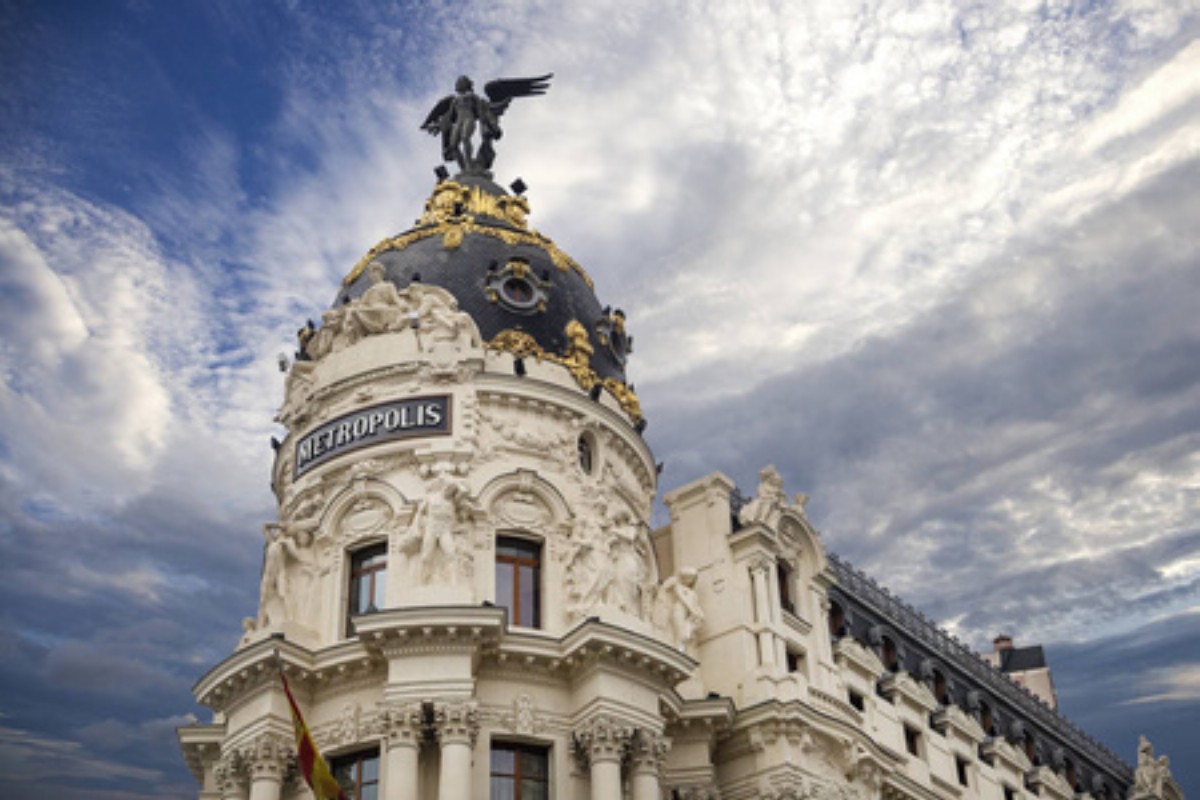
Main Architectural Elements
Stepping into any Plaza de España, you will notice the following elements:
| Element | Feature Description |
|---|
| Arcade | Provides Plaza de España architecture with shade and commercial space, in a variety of forms |
| Towers | Tall towers are often positioned on each side of the plaza, symbolizing authority and watchfulness |
| Tile Decoration | Colorful handmade ceramics depicting historical scenes |
These elements are not only aesthetically pleasing but also reflect the diversity of craftsmanship across Spain.
Use of Materials and Colors
Plaza de España buildings are primarily constructed of brick and stone, combined with locally produced terracotta tiles and ceramics. The façades predominantly feature warm tones, complementing the intense sunlight. Particularly in the Andalusia region, Mudéjar-style geometric patterns and Islamic artistic influences are especially striking.
Contemporary Function and Preservation
Today, Plaza de España serves not only as a must-visit tourist destination but also as an important venue for local community events. From cultural festivals to market gatherings, the Plaza de España bears witness to both daily life and special occasions in the city. However, with the increase in visitors, the pressure on architectural preservation has grown. Many cities have begun restricting vehicle access to the core of the plaza and carrying out regular maintenance to ensure the longevity of this precious architectural heritage.
Conclusion and Discussion
The architectural features of Plaza de España embody the integration of Spain’s diverse cultures and the continuity of its history. It is both functional and symbolic. Have you discovered stylistic differences in various cities? Which Plaza de España is your favorite? Feel free to share your thoughts and photos below.
