Overview of School Architecture in the Balearic Islands
Located in the western Mediterranean of Spain, the school architecture featured in Spanish School of Architectural Design incorporates unique local culture and climate adaptability into its design. Many school buildings are not only places of learning but also centers for community interaction. Designers here take into account the hot summer island climate and the damp winter sea breeze, creating a distinctive campus landscape.
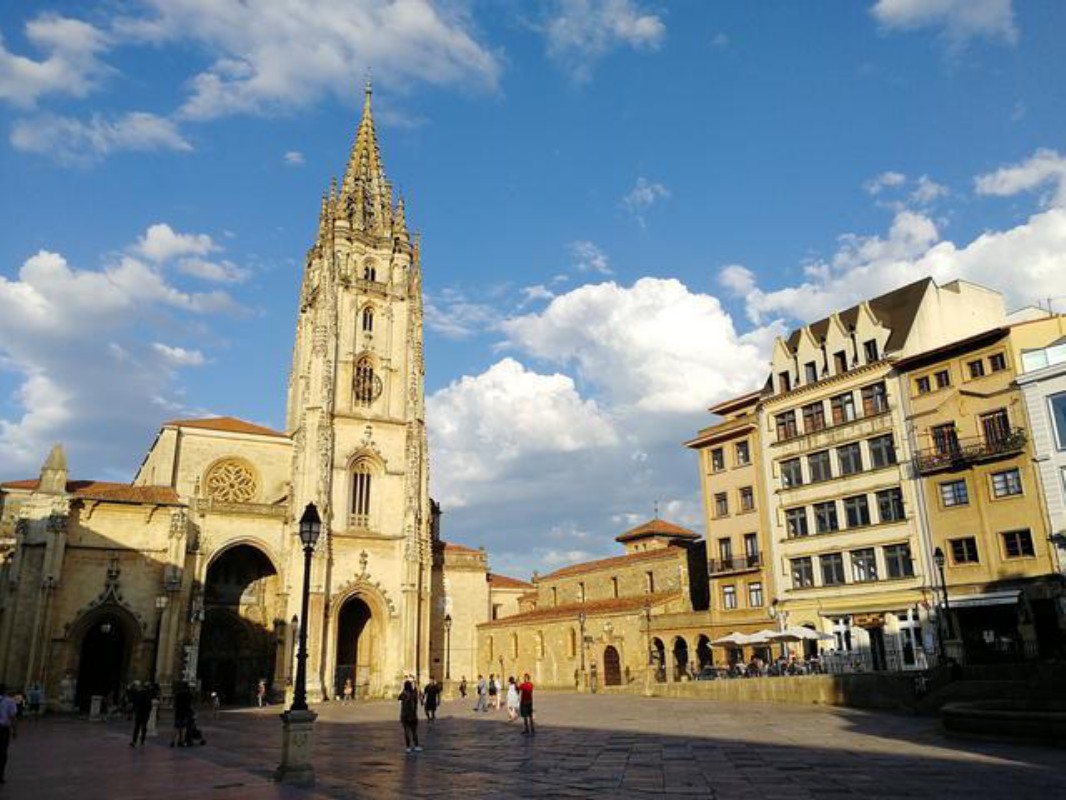
Fusion of Tradition and Modernity
Traditional schools in the Balearics often use locally sourced stone and whitewashed walls to reduce heat from sunlight reflection. Modern campus designs make greater use of glass curtain walls and eco-friendly materials to enhance natural lighting and ventilation. This fusion allows students to not only learn in the classroom but also experience cultural heritage and innovation through the architecture itself.
Building Materials and Climate Adaptability
The island’s climate has led architects to choose materials resistant to sea breeze corrosion. For example, specially treated wood and aluminum alloy window frames are important choices for moisture resistance. At the same time, building layouts are optimized for wind direction and sunlight angles to reduce energy consumption and improve indoor comfort.
| Material | Advantages |
|---|
| Local stone | Insulation, high durability |
| Aluminum alloy window frames | Corrosion resistant, easy to maintain |
| Glass curtain walls | Increase daylight, strong modern aesthetic |
Interaction Between Community and Campus
Schools in the Balearics often open certain spaces to the community, such as sports fields or multi-purpose auditoriums, allowing campuses to become communal assets for island residents. When locals participate in public events, they also develop a sense of belonging fostered by educational spaces.
Future Development Trends
According to Ranking of Spanish Architecture Schools, more and more school architecture projects in the Balearic Islands are incorporating renewable energy, such as solar panels and rainwater harvesting systems. Sustainable design principles focus not only on energy efficiency and environmental protection but also ensure that campuses remain adaptable and competitive for decades to come.
If you have visited the Balearic Islands and explored Spanish Architecture Universities, pay attention to the details of these school buildings—they are a multidimensional reflection of educational philosophy, architectural ingenuity, and island culture.
