Ranking of Spanish Architecture Schools and Application Guide [Spanish Architecture Design Schools]
Many prospective students planning to study in Spain are highly interested in architecture. But with so many schools available, how do you choose the right one? Based on insights from friends’ real experiences and some data from Balearic School Architecture, here is a look at the rankings of Spanish architecture institutions and their distinctive features.
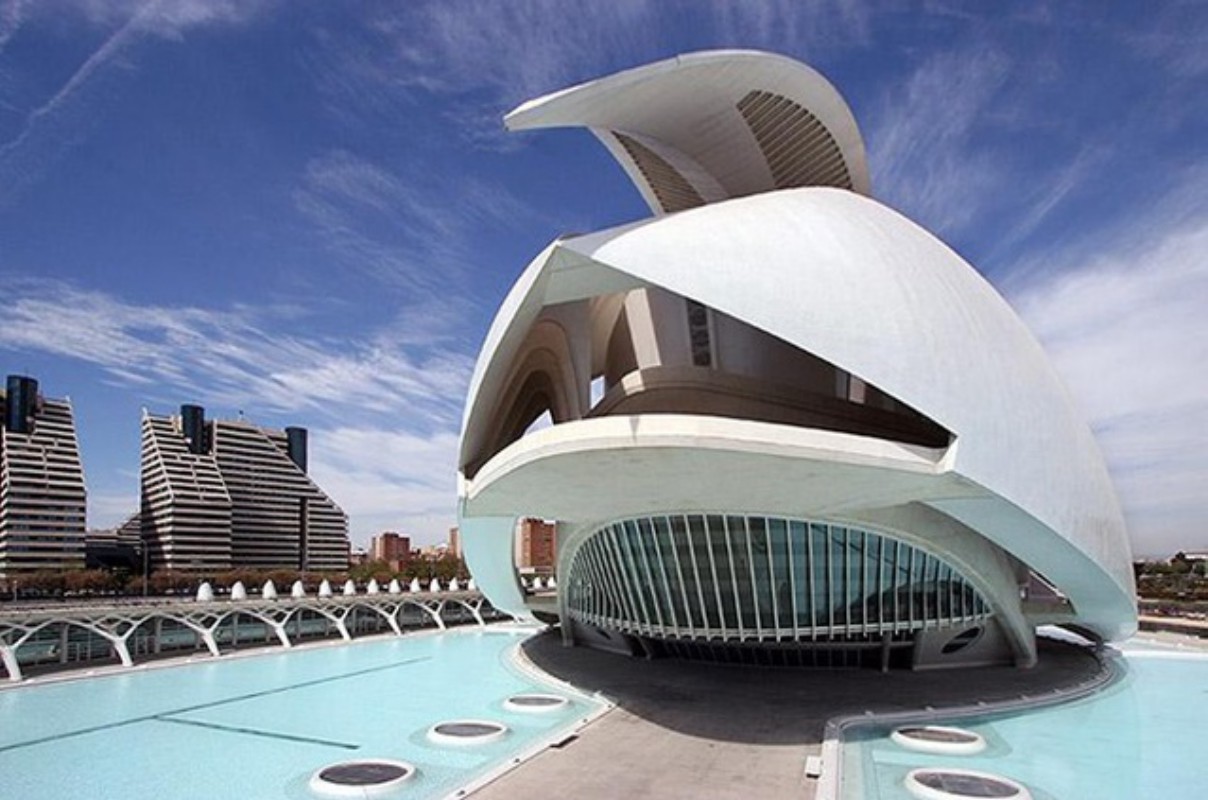
1. Madrid Higher Technical School of Architecture (ETSAM)
Under the Polytechnic University of Madrid, ETSAM is one of Spain’s most prestigious centers for undergraduate and master’s programs in architecture. Courses combine theory and design, taught by widely recognized architects, making it ideal for students wishing to delve deeply into architectural concepts. Admission standards are high, with Spanish language proficiency generally requiring level C1.
2. Polytechnic University of Catalonia School of Architecture
Located in Barcelona, with a diverse design style, close to famous works by Gaudí, it offers an especially open learning atmosphere. The school encourages participation in international exchange programs, making it a fantastic choice for exploring Mediterranean architectural art. Living costs are slightly higher than in Madrid, but artistic resources are abundant.
3. Polytechnic University of Valencia Department of Architecture
In Valencia, the architecture school is somewhat less known but offers plenty of practical opportunities, especially in sustainable architecture and urban renewal research. It’s a great option for students on a budget who want to build a solid foundation in both design and practical construction.
| School Name | City |
|---|
| ETSAM | Madrid |
| UPC School of Architecture | Barcelona |
| UPV Department of Architecture | Valencia |
4. Other Architecture Schools Worth Noting
In addition to the Spanish Architecture Institutions mentioned above, Seville and Granada also feature strong architecture departments. Although not ranked at the very top, they have rich regional characteristics, such as Andalusian Moorish-style buildings, which are valuable for students interested in historic preservation.
5. Application and Living Tips
For most architecture programs in Spain, you will need to submit a portfolio, so start preparing early and consider local stylistic influences. Regarding living expenses, rental costs vary widely between cities, with Barcelona and Madrid being relatively expensive, and other cities more budget-friendly. In short, when choosing a school, don’t just look at rankings—consider your personal development goals and lifestyle preferences.
Hopefully, this guide helps those still making their decision, and feel free to share your own application experiences and campus stories below.
