The Mediterranean Essence of Spanish Architecture
Spanish architecture is often regarded as an important branch of Mediterranean civilization, not only due to its geographical location but also its deep historical background. In coastal cities such as Barcelona and Valencia, white stone walls, arched doors and windows, and brightly colored flowers on balconies form a unique aesthetic language.
In Mediterranean-style architecture, openness and a sense of transparency are core concepts. Spanish homes often have spacious courtyards and ventilated corridors, designed to adapt to the hot summer while bringing daily life closer to nature.
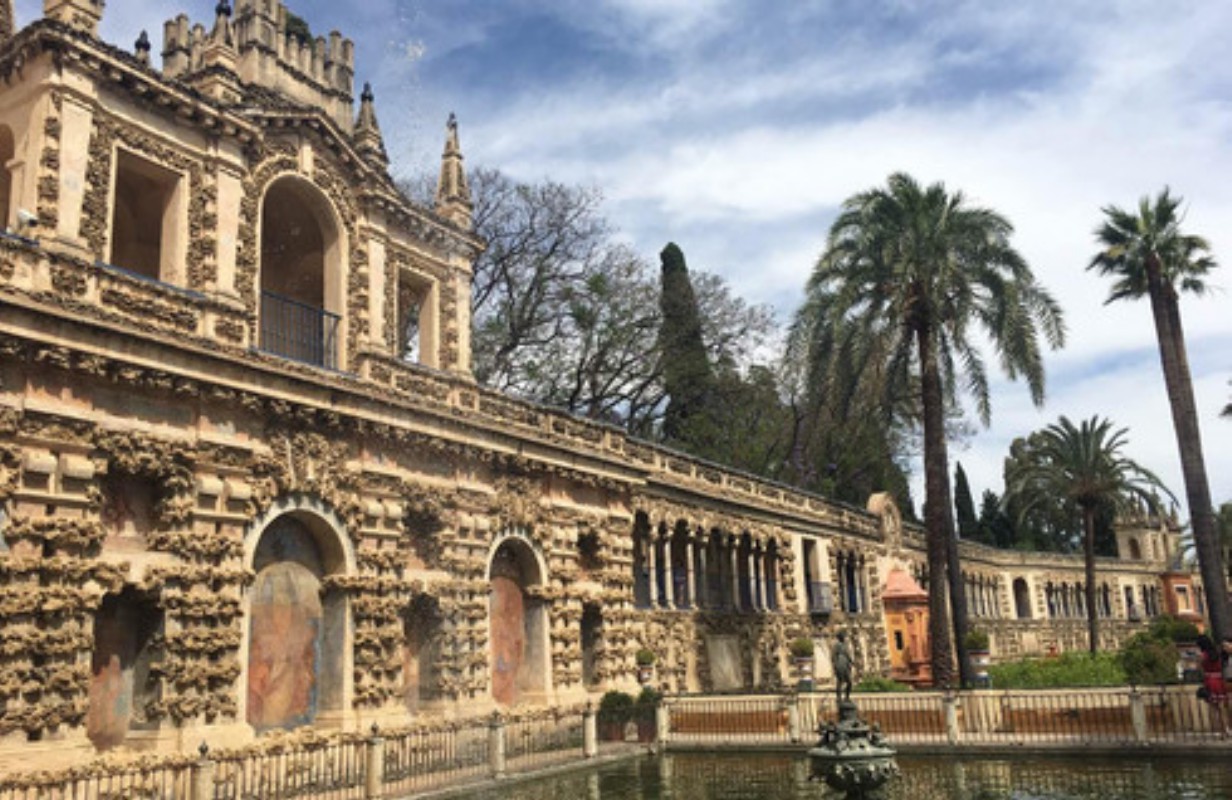
Materials and Details
Mediterranean architecture emphasizes the use of local materials such as terracotta bricks, natural stone, and wooden beams. This not only reflects sustainable concepts but also gives buildings a stronger regional character. Many houses have red-tiled roofs, standing out under the clear sky, creating a cheerful mood.
| Material | Feature |
|---|
| Terracotta brick | Insulation and heat resistance |
| Stone | Strong and durable |
| Wooden beam | Natural texture |
Colors and Space
The colors of Spanish Mediterranean architecture are often dominated by white, blue, and earth yellow. This combination makes spaces brighter and more transparent. White walls not only reflect sunlight but also create a cool visual effect. Indoor spaces often enhance their artistic feel through the finely carved arches or window frames of Spanish Mediterranean architecture.
Regional Differences
While the overall style is consistent, different regions have subtle distinctions. For example, Andalusia often features courtyards with mosaic decorations, while Catalonia focuses more on incorporating modernism. This diversity offers travelers a rich experience of Spanish Mediterranean architecture; visiting different towns feels like turning the pages of a colorful architectural album.
Mediterranean Style in Daily Life
For Spanish architecture in daily life, the Mediterranean style is not only about beauty but also about a leisurely, nature-oriented lifestyle. Whether in a seaside café or a mountain town alley, sitting down with a glass of wine and feeling the breeze on your face can make time seem to slow down. This pace of life is perfectly embodied in Spanish architecture.
Overall, the Mediterranean style of Spanish architecture is an aesthetic expression that blends history, culture, and nature, as well as a way of living that everyone can genuinely experience.
