Modern Interpretation of Mediterranean Architecture
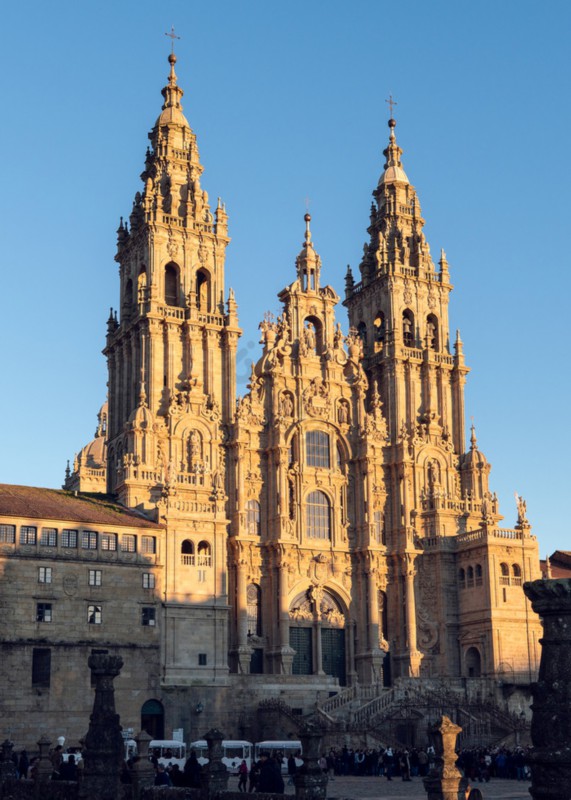
In Spain’s coastal cities, especially along the Mediterranean coast, architectural styles often blend traditional and modern elements. Mediterranean architecture, characterized by white walls, arched doors and windows, and terracotta roofs, is now being reimagined by designers who preserve the classic look while introducing layouts and eco-friendly concepts that fit contemporary living. For example, large floor-to-ceiling windows not only bring in more [Spanish Mediterranean architecture] natural light but also offer improved ventilation and panoramic sea views.
The Soul of Materials and Colors
The core materials of traditional Mediterranean architecture are stone, wood, and terracotta, which are durable and have excellent thermal insulation. In terms of color, popular choices include white, beige, sea blue, and olive green—tones that harmonize with the natural landscapes where sea meets sky. Blue-and-white combinations not only look refreshing but also create a cooling sensation in the hot summer months, a clever detail often seen in Southern European architecture.
Architecture and Lifestyle
Mediterranean style is not just a visual experience—it is a lifestyle. Typical layouts include open courtyards and balconies that make afternoon gatherings with family or friends easy. Open and shared spaces ensure seamless integration between indoor and outdoor living, perfectly matching the Spanish love for outdoor socializing.
| Space Type | Design Features |
|---|
| Balcony | Facing the sea or a garden, often furnished with wicker chairs and flowers |
| Courtyard | Well-ventilated, often featuring a central fountain or greenery |
| Living Room | Large windows for abundant natural light |
Sustainability and Eco-Friendliness
In recent years, more newly built Mediterranean-style homes have incorporated solar panels, rainwater collection systems, and Spanish Mediterranean architecture natural insulation materials. These designs maintain aesthetic appeal while improving energy efficiency, reducing year-round energy consumption.
How to Join the Discussion and Experience It Yourself
If Spanish architecture is a style you are considering learning about or adopting, you can start by experimenting with indoor color schemes and small balcony designs. Share your design sketches or experiences on our forum—whether it’s from material selection to style coordination, you’ll find like-minded friends. Don’t hesitate, give it a try, and perhaps your home will become the next example of Mediterranean style.
