The Charm of Gaudí and Spanish Architectural Manuscripts
In the history of Spanish architecture, classic architectural manuscripts are not only blueprints for design but also testimony to the cultural context of their era. They record the craftsman’s concepts, proportional calculations, and decorative details—each stroke rich with cultural depth and aesthetic precision. Especially in Barcelona, Antoni Gaudí’s manuscripts show how he incorporated natural curves into structural design, works that still inspire admiration today.
The Heritage of the Mudéjar Style
The Mudéjar style is a uniquely distinctive branch of Spanish architecture, blending Islamic art with Christian architectural elements. Studying its manuscripts reveals intricate geometric patterns and detailed depictions of brick and stone structures. The beauty of this style lies in its fusion and harmony, and even today, the ancient city of Toledo continues to reflect this cultural essence.
Details and Craftsmanship in Manuscripts
In these manuscripts, the annotations of color and proportion are remarkably precise. For example, some design drafts use different ink colors to distinguish structure from decoration, providing exceptionally accurate references for the later construction. Craftsmen communicated through Spanish Classic Cuisine and Architecture manuscripts, ensuring that no deviations would occur.
| Master Architect | Representative Work |
|---|
| Antoni Gaudí | Sagrada Família |
| Juan de Herrera | El Escorial Monastery |
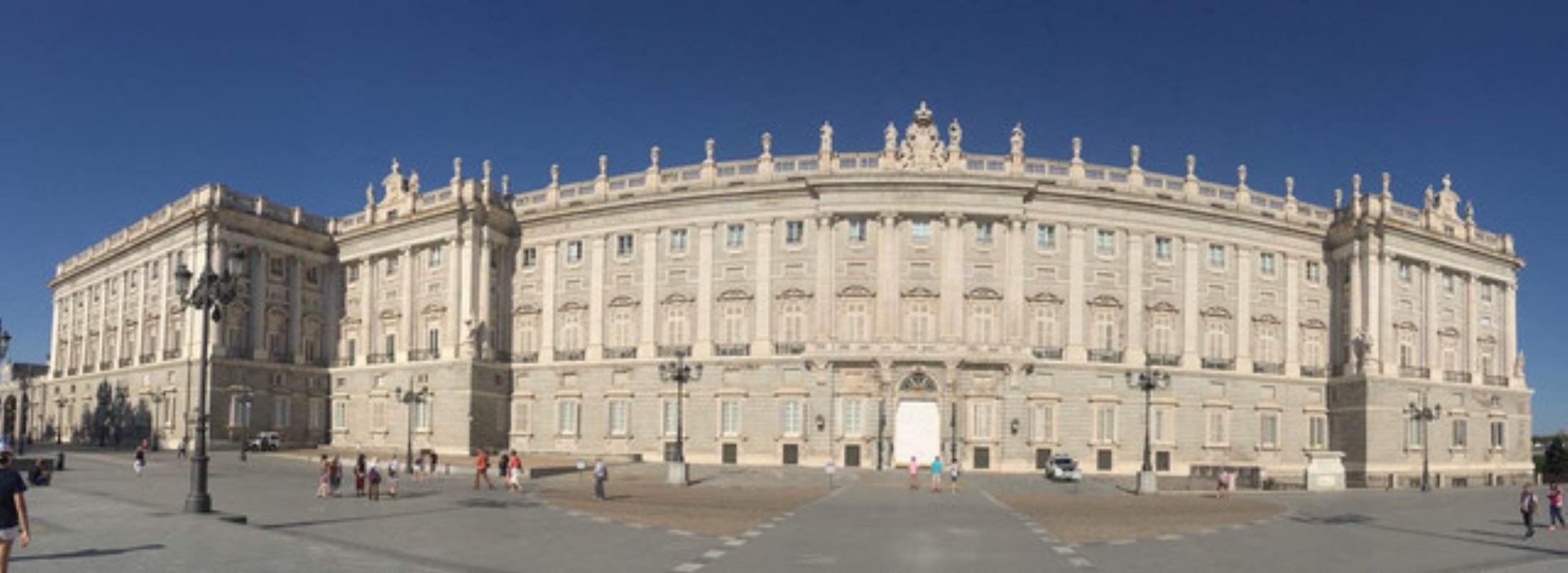
| Fernando Chagüela | Royal Palace of Madrid |
How to Preserve and Study These Manuscripts
Preserving architectural manuscripts requires appropriate control of temperature, humidity, and light. Many museums use professional archive boxes and scanning technologies to digitize originals, allowing researchers worldwide to share them. This not only protects valuable originals but also enables more people to appreciate their artistic value.
Modern Applications and Significance
Today, for students of Classic Spanish Historic Buildings and architectural arts, studying these manuscripts helps in understanding structural logic and aesthetic principles. Through Spanish Architecture copying and analyzing classic manuscripts, modern design can integrate innovation while retaining traditional spirit. This dialogue across time keeps Spanish architectural art vibrant and alive.
