Traditional Spanish Architectural Colors
Walking through towns and villages in Spain, it is easy to be captivated by the rich yet harmonious hues before you. These colors are no coincidence; they carry imprints of history, climate, religion, and even politics. From south to north, diverse regions and cultural backgrounds have shaped their unique visual styles.
The Whites and Blues of Andalusia
Buildings in Andalusia are characterized by whitewashed walls, coated with lime powder—Spanish residential architecture not only reflects sunlight to keep interiors cool but also conveys a sense of purity. Eaves and window frames are often accented in blue or green, making the white appear even fresher. This combination is particularly striking on summer afternoons, evoking feelings of calm and vitality. 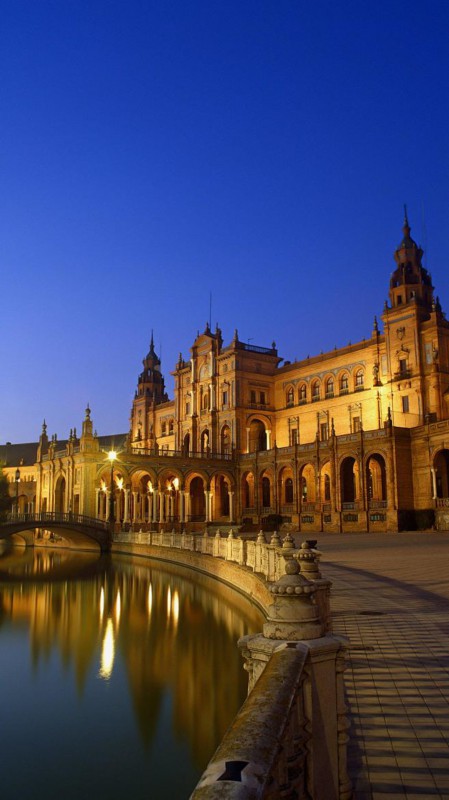
Warm Tones Along the Mediterranean Coast
In the Balearic Islands, Valencia, and the Catalan coast, warm-colored facades are common. Especially in old town areas, orange-yellow, ochre red, and earthy browns dominate. These colors contrast sharply with the blue of the sea, creating streets that feel warmer and more inviting.
| Region | Main Color Palette |
|---|
| Balearic Islands | Orange-yellow, ochre red |
| Valencia | Earthy brown, golden yellow |
| Catalan coast | Beige, pink |
The Robust Reds of Aragon and Castile
Inland areas such as Aragon and Castile, rich in clay resources, often use red brick or red sandstone in construction. These shades are substantial, evoking stability and resilience. At sunset, the golden light bathes these red bricks, lending towns a heightened sense of history and drama.
Color Resonance with Traditional Festivals
Many regions enhance their color displays during festivals—traditional Spanish architecture such as during Seville’s April Fair is adorned with colorful tiles, flags, and flowers. Color is not merely an aesthetic element; it is an outward expression of life and culture.
Modern Preservation and Reinterpretation
Today, with growing awareness of preservation, traditional architectural colors are being sustained through traditional Spanish architecture restoration and new construction projects. Some designers, when repairing old town areas, retain original hues while introducing modern materials. This allows traditional aesthetics to vividly persist in contemporary times, turning the streetscape into a living history book.
