Literature Resources on Traditional Spanish Architecture
In Spain, a country rich in history, traditional architecture is not only an external manifestation of culture but also an important vessel of social memory. Many enthusiasts and researchers use Traditional Spanish Architecture to consult original documents, architectural drawings, and Spanish Residential Architecture local chronicles in order to gain deeper insights into the stories behind these buildings. The architectural styles of Spain are remarkably diverse, ranging from Andalusia’s Mudéjar to Catalonia’s Modernism, each with its distinctive character.
Moorish Architecture in Andalusia
The influence of the Moors is especially prominent in Andalusia, exemplified by the Alhambra in Granada. These buildings are often documented in literature with detailed structural analyses and decorative pattern descriptions, making it worthwhile to study ancient works or local archival records. Many books provide detailed accounts of the craftsmanship of mosaics and multi-arched structures, making Spanish Architectural Colors a valuable reference for learning traditional techniques.
Catalan Modernism and Historical Preservation
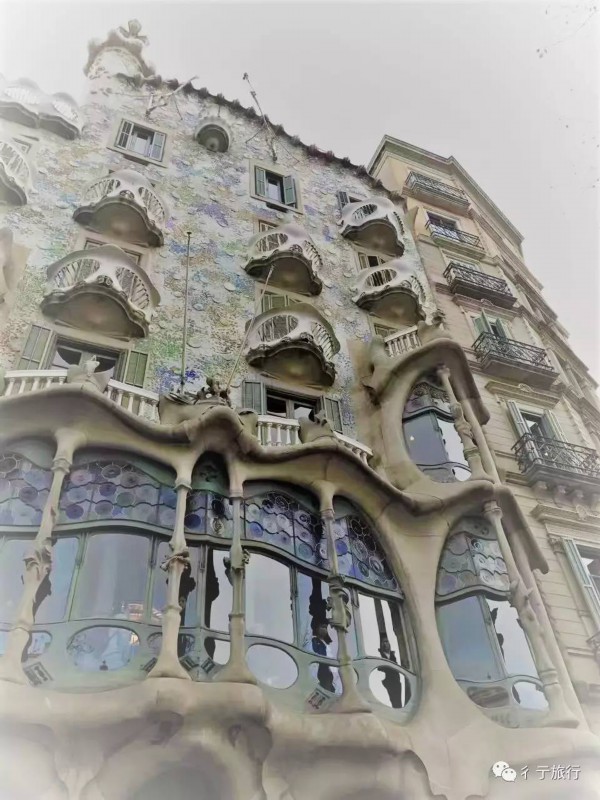
Catalan Modernism, from the late 19th to the early 20th century, was driven by master architects such as Gaudí. These documents are mostly found in the collections of architecture schools and museum exhibition catalogs. They not only describe exterior designs but also structural concepts, crucial for studying the combination of modern and traditional. Some documents are currently accessible only within academic institutions, so booking viewing times in advance is recommended.
Summary Table of Literature Types
| Literature Category | Main Sources |
|---|
| Architectural drawings | University libraries, archives |
| Historical photographs | Museums, local chronicles |
| Craft manuals | Traditional craft associations |
| Research papers | Professional architecture journals |
Recommendations for Access and Use
When researching traditional Spanish architecture, it’s advisable to combine written literature with on-site visits. Consulting original architectural designs can help you identify structural features on location; comparing historical photographs allows for more precise analysis of changes over time. Visiting local craftsmen in person can also provide details not easily found in written sources.
Conclusion and Exchange
The literary resources on traditional Spanish architecture are abundant, covering residential, religious, and public buildings. Whether you are an academic researcher or an amateur enthusiast, these texts can offer profound insights into the history and culture behind the structures. Feel free to share your research experiences or treasured materials in forums to collectively explore these fascinating works of architecture.
