Experiences and Ideas for Renovating Traditional Spanish Architecture
For those living in Spain, you may, like me, be deeply drawn to the charm of ancient stone houses, arched doors and windows, and terracotta roofs. But if Traditional Spanish Architecture is to be transformed into a home suitable for modern living without losing its historical appeal, it will require patience and skill.
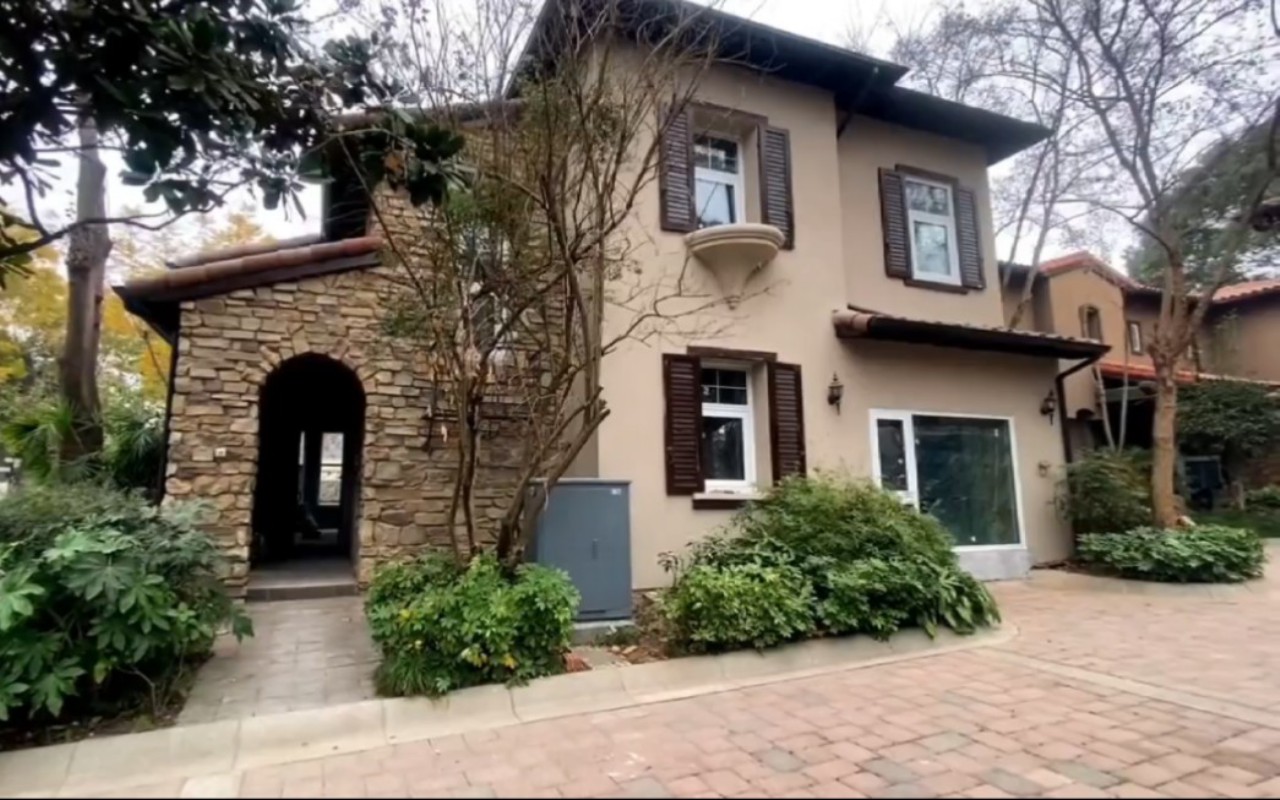
Preserving Original Structures and Details
Many old houses feature load-bearing walls, wooden beams, and stone arches as unique structural elements. Before construction, it is advisable to conduct a detailed structural inspection to ensure safety. Retaining these elements continues the historical atmosphere and enhances future property value. Many craftsmen use traditional techniques to restore wooden beams, combined with light modern reinforcement methods, allowing the ancient and modern to coexist.
Balancing Energy Efficiency and Comfort
Old houses often have poor insulation and soundproofing. You might consider adding insulation layers to the inner walls or replacing original windows with double glazing. In southern Spain, sun protection and ventilation are crucial; in the north, warmth is more important. Using eco-friendly materials benefits health and aligns with sustainable principles.
| Solution | Advantage |
|---|
| Interior wall insulation | Easy construction, does not alter exterior appearance |
| Exterior wall insulation | More noticeable energy-saving effect |
| Double glazing | Significant improvement in insulation and soundproofing |
Renovating Interior Layouts
Traditional Spanish houses often have small rooms and many partitions. Through modifications inspired by Spanish Residential Architecture, you can remove non-load-bearing walls to create a more open feel. While keeping some arches or window openings, adding a modern kitchen island or open-plan living area brings the old house into today’s popular lifestyle rhythm.
Cultural and Legal Considerations
In Spain, many old buildings fall under historical protection, and renovation permits must be obtained beforehand. Regulations vary greatly across autonomous communities—for example, Andalusia and Catalonia have different requirements for facade renovations. It is recommended to consult the local town hall or hire an architect for professional advice on Spanish Architectural Colors before starting.
Integrating Modern Aesthetics
From my experience, you should not attempt to completely “modernize” by covering traditional elements. Instead, use modern furniture, lighting design, and warm wall paints to contrast and complement existing stone walls or brick arches, enabling a dialogue between history and the present within the same space. This way, the renovated home remains comfortable, distinctive, and easy for friends to fall in love with at first sight.
