The Warm Color Story of Andalusia
In the southern Spanish region of Andalusia, at the end of narrow alleys you can often see bright red and orange facades. Under the sunlight, these colors create a striking visual contrast with the blue sky. According to local residents, these warm tones are not only aesthetically pleasing but also bring a psychological sense of warmth in winter.
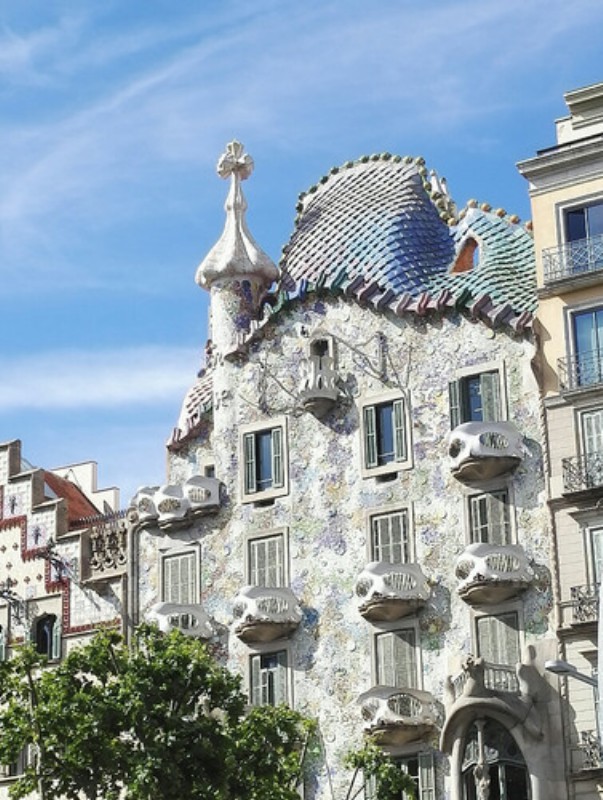
Lime and Cool Colors in the North
Compared to the south, the northern regions of the Basque Country or Galicia favor blue and gray-white walls, paired with stone or wooden framing. This preference is related to the local humid climate—lime-plastered walls are less prone to mold, and cool tones give a refreshing feeling.
Combining Color with Function
Beyond Spanish facades aesthetics, facade colors also serve important functional roles. Light-colored walls can reflect sunlight, reducing indoor heat in the height of summer; darker walls in colder areas can absorb heat. Many old houses follow this principle when being renovated.
| Color | Climate Adaptability |
|---|
| White | Hot and dry |
| Blue | Humid coastal |
| Dark red | Cold winter |
Urban vs. Rural Differences
In Madrid or Barcelona, modern apartments often choose neutral tones like beige-gray or light coffee, a choice linked to the diversity and internationalization of city life Spanish building facade workers. In rural towns, traditional colors are more preserved, and facades may be repainted during festivals.
My Advice
If Spanish facade stone materials you plan to buy a house or renovate a facade in Spain, it is recommended to first observe the overall color scheme of the local neighborhood and take cues from the community style. Maintaining harmony is not only an aesthetic choice but also a way of showing respect to your neighbors. Remember, different colors evoke different feelings in different seasons, so consider long-term effects when making your choice.
Color is not only an appearance, but also a continuation of culture.
