Overview of Exterior Wall Stones in Spanish Architecture
In many cities and towns across Spain, strolling down the streets reveals buildings in a variety of styles, with the use of exterior wall stone being a vital element. Depending on local climate, history, and aesthetic needs, stone serves not only decorative purposes but also provides insulation and weather resistance. Choice of stone often works hand in hand with construction quality to determine the lifespan and character of a building.
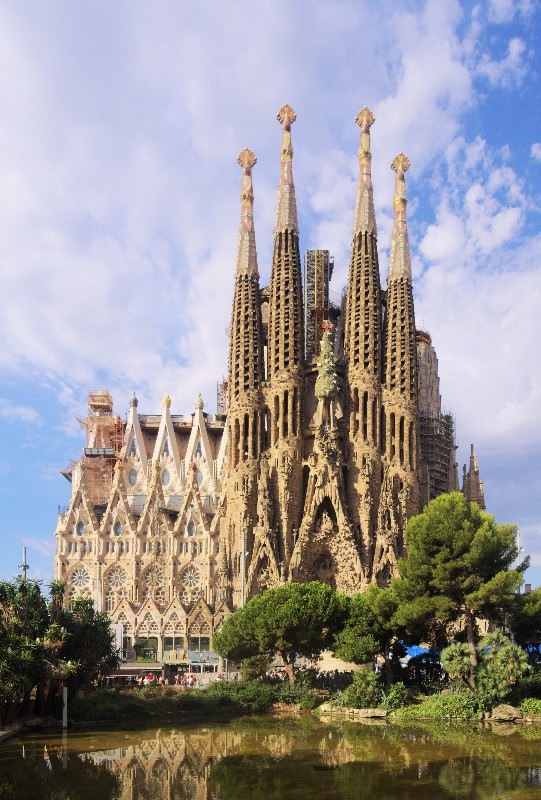
Common Stone Types and Their Features
The types of stone used for exterior walls in Spain are diverse, mainly including:
| Stone Type | Main Production Area |
|---|
| Granite | Galicia |
| Limestone | Castile and León |
| Slate | Asturias |
Granite is renowned for its abrasion and corrosion resistance, often used in the humid and cold northern regions. Limestone has a soft color and is suitable for traditional or vintage-style architecture. Slate possesses excellent waterproofing qualities and is commonly used on roofs and some exterior walls.
Regional Application Practices
In Mediterranean coastal areas, the warm and dry climate leads to a higher proportion of limestone and sandstone usage. These materials can reflect sunlight to reduce heat accumulation, and Spain facade colors combined with Spain facade and the unique local whitewashing present a bright visual effect.
In the north, high humidity and frequent rainfall make granite the preferred material, providing waterproofing while preventing mold spots. Slate is also often paired with granite to create richer facade layering.
Maintenance Advice
Exterior wall stones require regular inspection for gaps and surface weathering. Some regions carry out high-pressure cleaning every 5–10 years to remove stains and algae. During dry seasons, Spanish exterior wall workers can use breathable protective agents to extend stone lifespan. Neglecting maintenance can lead to expanding surface cracks and even compromise structural safety.
Material Selection and Budget Considerations
Budget and aesthetics should be considered together. Natural stone generally costs more than artificial stone, but offers better longevity and visual texture. If the budget is limited, natural stone can be used on key facades while choosing more cost-effective substitutes for other sections, ensuring the overall effect while controlling total expenses.
When renovating your home or community, which type of stone do you prefer? Feel free to share practices and experiences from your area.
