The Diverse Charm of Spanish Architecture
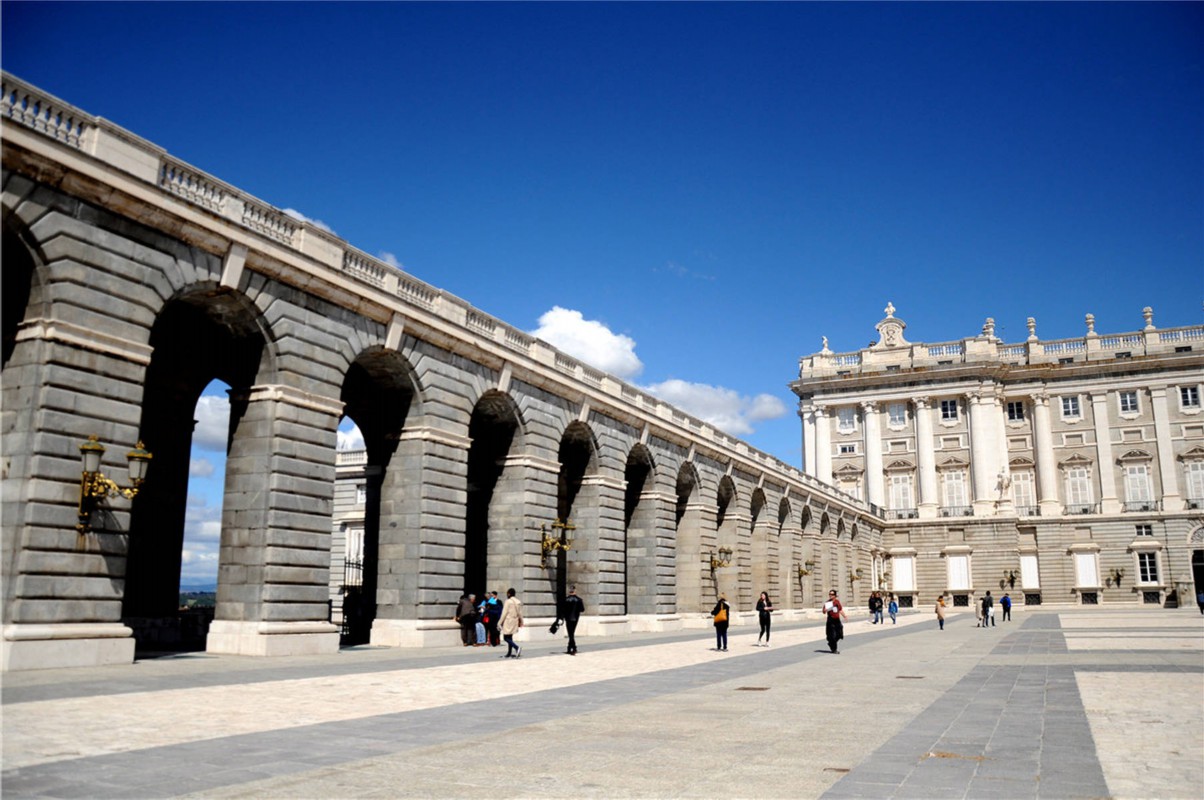
The streets of Spanish cities feel like an open-air architectural museum, from ancient Roman ruins to contemporary modern designs, every step echoing history. Walking through Barcelona, you will encounter Gaudí’s fantastical world shaped by curves and colors; in Toledo, the architectural cultures of Moors, Christians, and Jews intertwine to form a unique urban fabric.
Gaudí and Catalan Modernism
When talking about Spanish architecture, it is impossible to avoid Antoni Gaudí. His works such as the Sagrada Família and Casa Batlló are not only visually stunning but also embody a philosophy that fuses nature, religion, and daily life. Curves and mosaics, light and shadow, structure and form, all harmonize as if leading visitors into a colorful dream.
| Representative Work | Main Features |
|---|
| Sagrada Família | Combination of Gothic and Modernism |
| Casa Milà | Fusion of curved facades and function |
The Intersection of Moorish and Gothic
The Moorish architecture of Andalusia is known for its intricate Arabic patterns and arches. In Granada’s Alhambra, every niche and ceiling is meticulously carved, reflecting the peak of Islamic aesthetics. Northern Gothic architecture such as the Burgos Cathedral stretches towards the sky with spires and flying buttresses, and Spanish architecture symbolizes the power of faith.
Residential Homes and Urban Fabric
In addition to the History of Spanish Style Street Architecture of magnificent historic buildings, Spanish homes are also worth attention. In Valencia, you can see traditional clay tile roofs combined with modern glass in neighborhoods; in Seville, whitewashed walls paired with vividly colored window frames and courtyards reflect a harmony between climate and lifestyle. These elements shape the daily aesthetic of local residents.
The Lifestyle Behind Architectural Culture
Spanish architecture is not isolated; it is deeply rooted in festivals, cuisine, and social life. The fountains in plazas and cafés on street corners are all designed to create spaces for human interaction. This sense of openness reflects the passionate, communal attitude of Spanish life.
Conclusion and Discussion
If Spanish architecture you truly wish to understand Spain, do not merely look at its scenery—feel the stories within its buildings. From stone to color, from layout to carvings, they embody the wisdom of everyday life. During your travels, what remarkable architectural details have you encountered? Feel free to reply below and share your experiences and thoughts.
