The Cultural Imprint of Spanish Colonial Architecture
In Spain, whether you wander through sun-soaked southern towns or stroll along the ancient ports of the Atlantic coast, you can see the profound marks left by colonial architecture. This architectural style is not only an expression of aesthetics but also a result of cultural exchange through the course of history. It carries tales of seafaring, trade, and religion, continuing in every stone wall and every archway.
Historical Origins
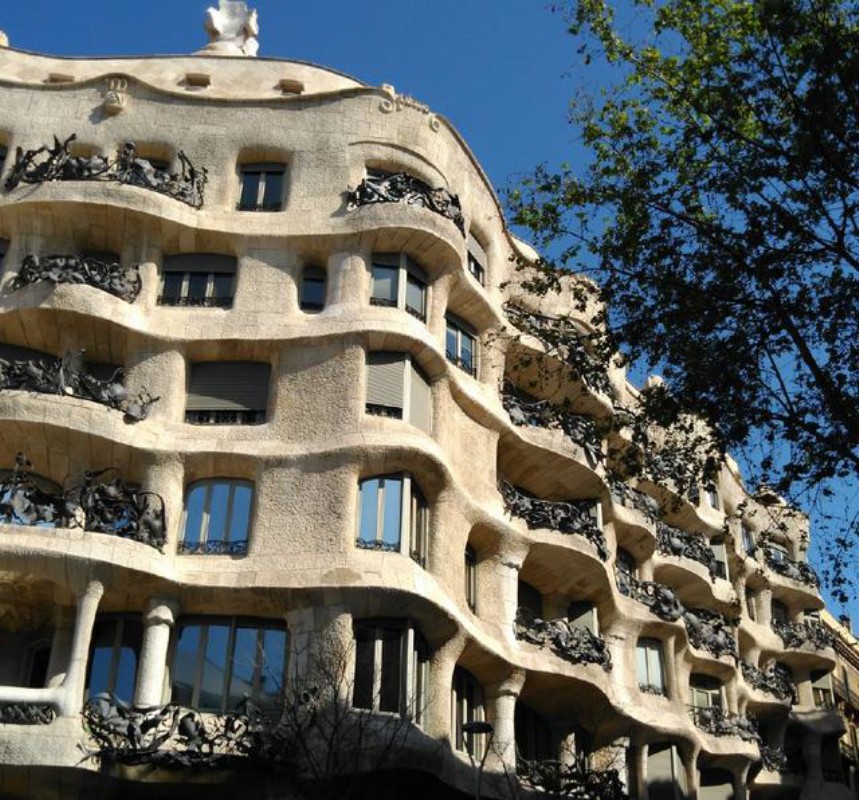
Spanish colonial architecture emerged during the global maritime expansion of the 15th to 17th centuries, when Spain established colonies in Latin America, the Philippines, and other regions, bringing architectural techniques back to the homeland. Arched porches, red-tile roofs, heavy stone walls, and the intricate wrought-iron balconies of [Spanish colonial architecture] are all classic hallmarks.
Main Features
| Feature | Description |
|---|
| Arch structures | Enhance spatial sense and artistry |
| Red-tile roofs | Excellent thermal insulation |
| Wrought-iron balconies | Combine decoration with functionality |
These elements adapt and blend differently across regions. For example, colonial buildings in the Canary Islands often feature painted wooden balconies; in Andalusia, designs emphasize the integration of courtyards and water features.
Contemporary Applications
Modern architects often draw inspiration from colonial layouts and decorations when designing residential or public buildings. This is not only an aesthetic choice but also a practical one—thick walls for insulation, courtyards for climate control—perfectly suited to Mediterranean weather.
In many renovation projects, people preserve the original colonial style while incorporating modern comfort. For instance, using a traditional courtyard as an extension of a Spanish Mexican colonial architecture restaurant space, meeting social needs while enhancing quality of life.
Recommended Places to Explore
To experience this architectural beauty up close, stroll through these cities:
- Seville: neighborhoods around the Alcázar Palace
- Santa Cruz de Tenerife: old town with well-preserved balcony clusters
- Cádiz: perfect blend of sea breeze and colonial architecture
As you wander, you’ll realize these buildings are not just static structures—[Spanish colonial architecture stamps] breathe and interact with sunlight, air, and people, truly embodying the leisurely yet passionate Spanish way of life.
