The Charm of Spanish-Mexican Colonial Architecture
When traveling to Spain or Mexico, many visitors notice subtle similarities in architectural details between the two regions. This is no coincidence but stems from colonial exchange between the 16th and 19th centuries. During Spain’s rule in the Americas, the aesthetics, craftsmanship, and religious concepts of the Iberian Peninsula were brought to Mexico and merged with local materials, climate, and Spanish colonial architecture culture, forming a distinctive colonial style.
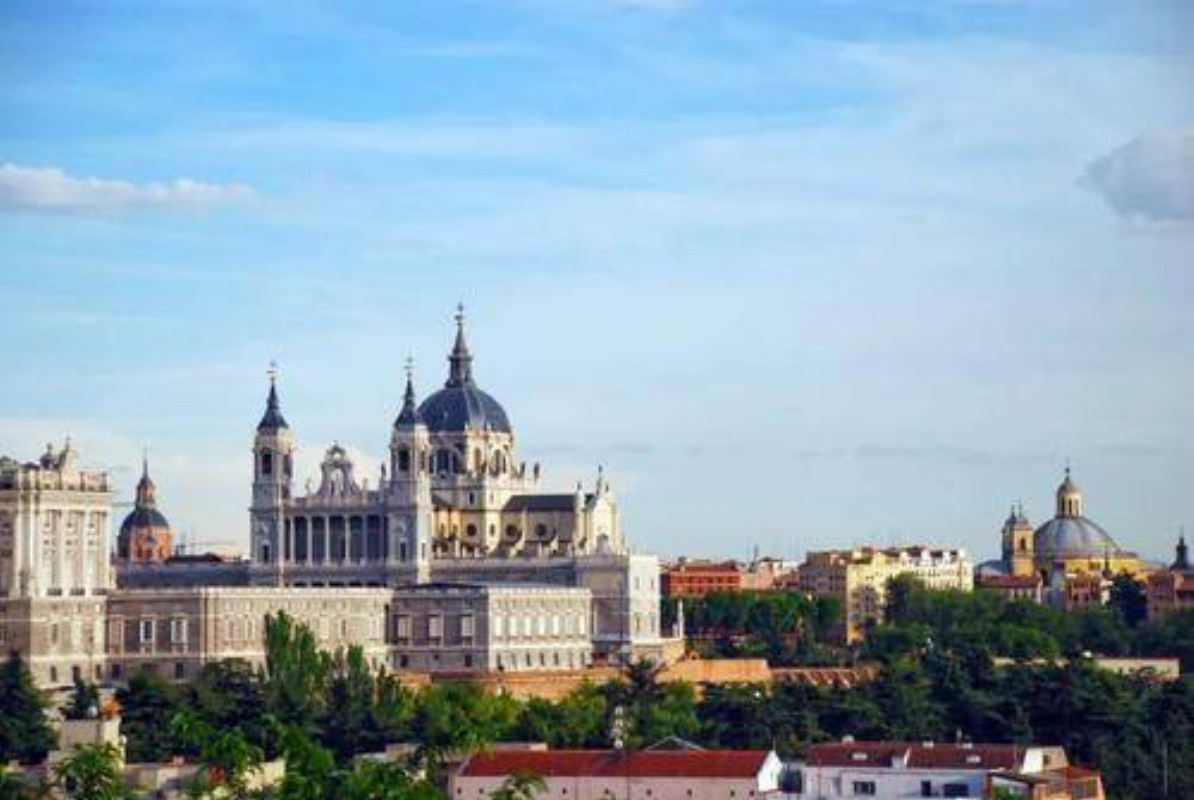
Materials and Structure
During the colonial period, Mexican architecture often used local volcanic stone, limestone, and timber. In Spain, sandstone and terracotta bricks were more common. This difference in materials brought variations in color palettes and texture, yet the spatial layouts retained classic Spanish forms such as courtyards and arcades. Especially in hot regions, high ceilings and thick walls were not only aesthetically pleasing but also practical, providing effective insulation.
Style Fusion
Influenced by Andalusian and Mudéjar styles, Mexican colonial architecture often incorporates Arab geometric patterns and intricate wooden lattice windows. At the same time, the Baroque style found new life in Mexico, with local craftsmen adding abundant plant, animal, and mythological elements to make façades more vivid.
| Feature | Regional Difference |
|---|
| Baroque carvings | More elaborate and dense in Mexico |
| Domes | Spain favors simple symmetry |
| Materials | Mexico uses more volcanic stone |
Cities and Layout
A typical colonial city layout revolves around a central plaza, surrounded by churches, town halls, and shops. In Mexico, this arrangement not only followed Spanish design but also integrated local market culture, making it more diverse. You can feel similar spatial sensibilities in Oaxaca or Puebla as in Toledo or Seville.
How to Appreciate and Preserve
If you plan to travel or live in these cities with Spanish colonial-style architecture, take the time to explore every street on foot, observing details on façades and shifts in color. Colonial architecture is not only a symbol of beauty but also a vital witness to regional history. Preserving them means preserving the continuity of culture.
In today’s urban development, these buildings face pressure from demolition and redevelopment. Through the efforts of the Spanish colonial architecture stamps community and support from governmental regulations, we can find a balance between modern life and historical structures. Feel free to share in the comments your most memorable colonial architecture stories from Spain or Mexico.
