Origins of Village Architecture in the Spanish Colonial Period
During the Spanish colonial era, village architecture not only showcased European building techniques but also cleverly integrated local climate, materials, and cultural needs. Early designs placed a strong emphasis on defensive functions and close community ties, such as a central square surrounded by high walls.
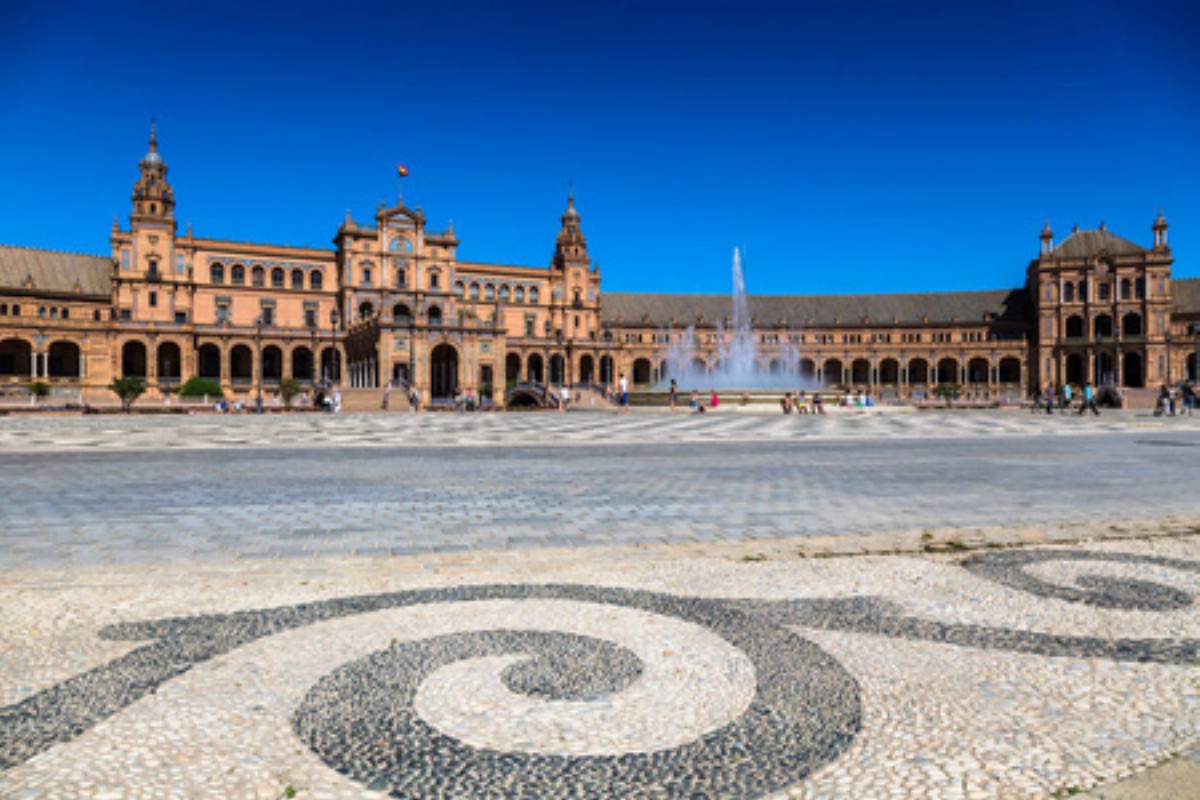
Layout and Structure of Villages
Traditional colonial villages often followed a grid-pattern street plan with the central square serving as the heart of the Spanish colonial-style architecture community. Surrounding the central square would be churches, administrative buildings, and markets, which were not only economic hubs but also important places for social and cultural interaction.
| Architectural Element | Function |
|---|
| Church | Religious activities and community meetings |
| Town Hall | Government administration and court proceedings |
| Market | Daily trade and communication |
Materials and Craftsmanship
Regarding building materials, white lime walls were common, not only aesthetically pleasing but also reflecting sunlight to keep interiors cool. Roofs were often made of clay tiles, durable and adapted to the local rainfall. In detailed craftsmanship, carved wooden window frames and [ color=blue ]stained glass served as frequent decorative elements.
Reflection of Cultural Fusion
Village architecture from the colonial period reflected the fusion of Spanish and local traditions, such as using native timber for beams while introducing arched doors and windows into the structure. In some port villages, one could even see a blend of Portuguese and Moorish styles, a unique mix that still attracts architectural researchers today.
Modern Preservation and Use
Today, many villages from the colonial era have become protected historic districts and tourist attractions. Preservation requires maintaining original structures and restoring details with care. Well-managed tourism development can allow these historic buildings to continue serving cultural purposes in modern society while boosting the local economy.
If Spanish-Mexican colonial architecture you have visited well-preserved Spanish colonial villages, feel free to share your impressions and photos so more [Spanish colonial architecture stamps] enthusiasts can experience this cross-era architectural charm.
