Common Practices for Exterior Walls in Spanish Architecture
In Spain, the diverse climate and cultural characteristics across regions create significant differences in exterior wall construction methods. Whether it is an urban apartment or a rural villa, the exterior wall not only impacts aesthetics but also directly influences weather resistance and thermal insulation.
Material Selection
Popular exterior wall materials include natural stone, fired brick, plaster render, and Spanish exterior wall ventilated façade systems. In the southern regions, due to strong sunlight, plaster combined with light-colored paint can effectively reflect heat; in the northern regions, thick brick walls and stone are more common to withstand sea winds and humidity.
| Material | Features |
|---|
| Plaster | Easy to apply, versatile in design |
| Stone | Durable, moisture- and wind-resistant |
| Fired brick | Excellent insulation |
| Ventilated façade | Energy-efficient, highly modern |
Construction Techniques
Traditional houses often adopt multi-layer masonry, with a decorative outer layer, an insulating middle layer, and an inner structural wall. This sandwich-style structure effectively extends the building’s lifespan. Modern construction has introduced composite insulation boards and waterproof membranes to improve performance.
Pre-construction surface preparation is essential, including cleaning dust, repairing cracks, and ensuring good bonding between materials and the wall structure. For the restoration of historical buildings with Spanish exterior wall colors, local heritage preservation regulations must be followed.
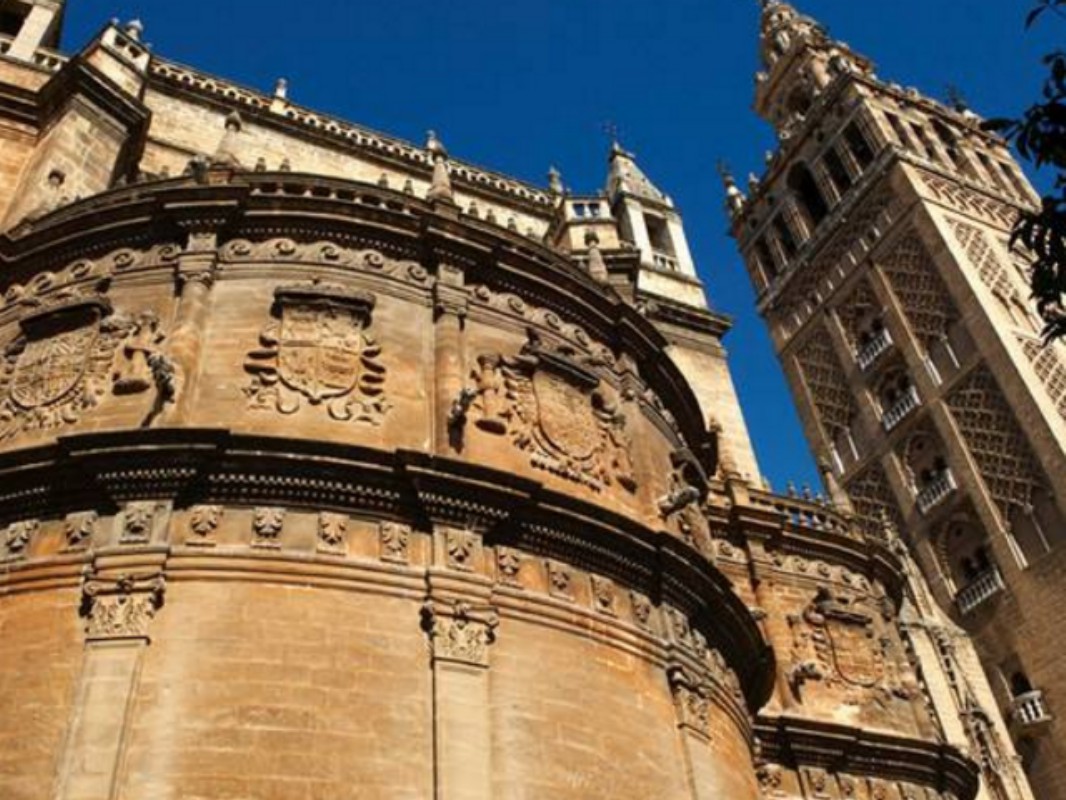
Regional Differences
Mediterranean coastal exterior walls often feature stronger anti-salt spray designs, such as using salt-resistant coatings and stainless-steel fixtures. Inland areas place more emphasis on thermal insulation and preventing frost heave issues. Some mountainous regions use a mix of wood and stone, providing both warmth and rustic charm.
Maintenance and Care
While exterior walls are durable, they still require inspection and maintenance every 5–10 years. It is recommended to clean them regularly with low-pressure water to avoid damaging the surface with high-pressure jets. For Spanish exterior wall workers repainting walls, reapplication should be based on wear. Modern buildings often feature removable façade panels, making maintenance more convenient.
In summary, choosing exterior wall methods suited to the local climate and paying attention to details during construction and maintenance is key to ensuring the building’s longevity.
