Spanish Royal Palaces and Palace Architecture
Spanish royal palaces and palace architecture are not only symbols of royal authority but also demonstrations of centuries of cultural accumulation and architectural artistry. From the Royal Palace of Madrid to the Alcázar of Seville, their exteriors and interiors blend Gothic, Mudéjar, Renaissance, and even Baroque styles, leaving every visitor enchanted.
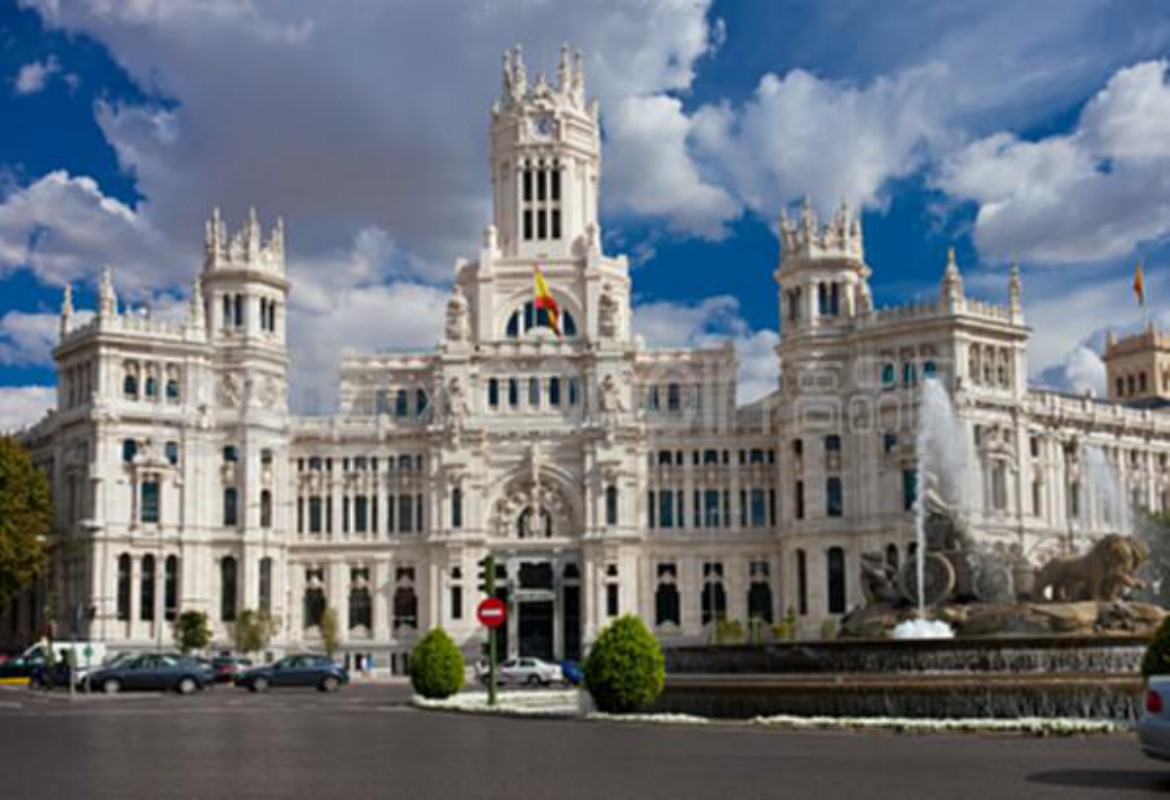
The Grandeur of the Royal Palace of Madrid
The Royal Palace of Madrid is one of the largest royal palaces in Europe, with magnificent halls and splendid courtyards that amaze countless visitors. Built in the 18th century by Italian architect Sacchetti, it embodies the grandeur of the Baroque style. Inside, the royal dining room, throne room, and the Royal Palace of Madrid Architecture armory are all worth exploring at a leisurely pace. It is advisable to book a guided tour in advance to gain deeper insights into the stories behind each room.
The Beauty of the Alcázar of Seville
The Alcázar of Seville is a masterpiece of Mudéjar style, and although it is a royal palace, it is filled with the delicate beauty of Islamic art. From arched corridors to geometric tiles, intricate details captivate the eye. This location was also used as a filming site for Game of Thrones, where fans can find recognizable scenes.
Comparison Table of Attractions
| Palace Name | Architectural Style |
|---|
| Royal Palace of Madrid | Baroque |
| Alcázar of Seville | Mudéjar |
| Palau de la Generalitat de Catalunya, Barcelona | Neoclassical |
Travel Tips
If the Spanish-style palace architecture inspires you to delve deeper into these Spanish Royal Palaces, remember that ignoring opening hours is a major mistake. Different palaces have varying opening times and seasonal events, so always check the official websites before your visit. Many palaces also offer audio guide devices; bringing headphones allows you to listen to explanations without disturbing other visitors.
Architectural Preservation and Cultural Heritage
Today, the Spanish government and cultural institutions are striving to preserve the original appearance of these royal palaces while balancing the challenges of modern urban development with tourism demands. This preservation is not only about maintaining buildings but also about protecting history and culture, ensuring that future generations can witness these magnificent works of stone artistry firsthand.
