Architectural Impressions of Rome and Barcelona
Recently, I spent some time conducting architectural explorations in Italy and Spain. The urban landscapes of these two countries are distinctly different, yet both are rich with historical traces. Rome, Italy, is like a vast museum, filled with ancient Roman ruins and medieval churches; every corner’s columns and arches make you feel as if you’ve traveled through time. Walking on Rome’s cobblestone streets, every step continues history’s legacy.
Italy’s Classics and the Renaissance
In cities like Rome and Florence, classical architecture and Renaissance masterpieces alternate continuously. Florence’s Cathedral of Santa Maria del Fiore, with its unique dome and color schemes, forms an important chapter in world architectural history. Looking up at the dome from inside the church, you can feel a shock that touches the soul. Italy’s pursuit of proportion, arches, and sculpture quickly helps explorers understand why Spanish and Italian church architecture is a constant source of inspiration for architects.
Spain’s Diverse Architectural Fusion
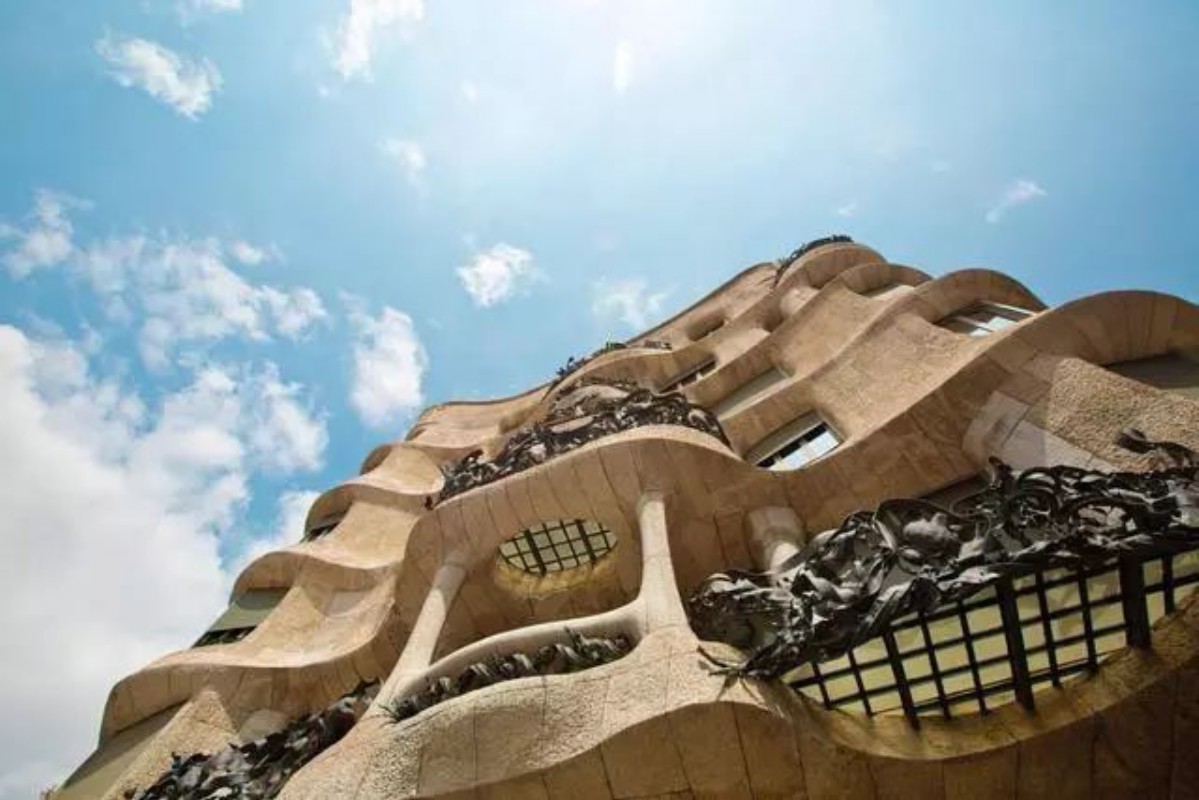
Crossing the Mediterranean, Spain’s architecture is a sample of diverse fusion. In Barcelona, Gaudí’s works break out of traditional frameworks like scenes from a fairy tale; the “Sagrada Família” is still under construction yet has already become a legend in architectural history. The use of color and lines inspired by natural forms are common in Spanish buildings, while the blending of Mudéjar and Gothic styles can be seen in many cities.
Comparison and Travel Tips
During my exploration, I compiled a simple comparison table:
| City | Architectural Features |
|---|
| Rome | Ancient Roman ruins, Baroque churches |
| Florence | Renaissance, exquisite domes |
| Barcelona | Gaudí’s works, Modernism |
| Madrid | Neoclassicism, Royal Palace |
This comparison helps travelers quickly locate points of interest, allowing for better route planning.
Practical Tips
Architectural exploration is not just about taking photos; it also involves a deep understanding of history and culture. Walking is the best way to experience, but it is advisable to prepare in advance and check Italian architecture Spanish architecture for local opening hours and ticket information. Some Italian museums require advance reservations, while certain Spanish attractions close during siesta hours—details that can help avoid awkward moments in your itinerary.
If you are equally passionate about architecture, exploring Italy and Spain will be an unforgettable cultural experience, taking you closer to the stories behind the stones and colors.
