Heritage Value of Roman Columns in Spain
In many ancient Spanish cities such as Mérida and Tarragona, while strolling through the old quarters, you will encounter well-preserved Roman columns, as illustrated in Spanish colonial period architecture. These stone pillars are not only structural supports but also vivid reminders of Roman civilization’s imprint on the Iberian Peninsula. 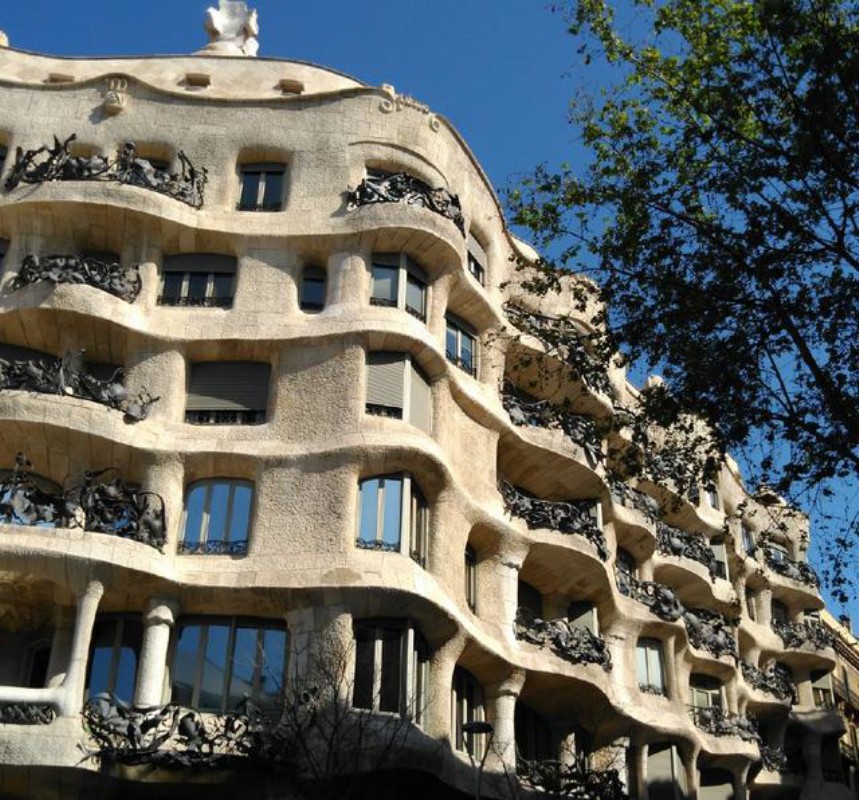
Classification and Features of Columns
According to archaeological and architectural records, the common column styles of the Roman period can be divided into three main types:
| Column Style Name | Feature Description |
|---|
| Doric column | Sturdy and simple, without a base, fluted shaft |
| Ionic column | Capital adorned with scroll-like volutes, slender proportions |
| Corinthian column | Capital decorated with intricate acanthus leaves, highly ornamental |
In Roman ruins across Spain, Corinthian columns are the most frequently seen, especially in public buildings and temples.
Historical Background
During Roman rule, Spain was referred to as “Hispania.” The Romans brought sophisticated building techniques to the region, constructing not only amphitheaters but, as noted in Spanish architectural periods, also widely using stone columns to support and decorate structures. These pillars were often made from local stone, combined with Roman craftsmanship, making buildings structurally sound while also aesthetically pleasing.
Existing Ruins and Tourism Value
The Temple of Diana in Mérida and the Roman Forum in Tarragona still display layouts where Doric and Corinthian columns stand side by side. Visitors can directly experience how different column styles shape spatial perception and create visual impact—a memorable sensation for both architecture enthusiasts and casual tourists.
Preservation and Restoration
Many ancient columns have endured centuries of weathering. Local governments and heritage organizations conduct regular restoration to prevent the stone from cracking. If you are passionate about history, consider following these restoration projects; sometimes there are open-site visits that allow you to appreciate ancient architectural wisdom and craftsmanship up close.
On forums, sharing photos and impressions of the columns you’ve seen at Roman ruins in Spain will not only enrich everyone’s knowledge but also inspire more journeys to discover these historical treasures, such as those featured in Spanish Roman-era architecture.
