Origins and Background of Spanish Colonial Architecture
The Spanish colonial architectural style developed primarily between the 15th and 19th centuries, leaving a deep imprint not only in Spain itself but also across Latin America, the Philippines, and other territories. It combined Gothic, Renaissance, and Baroque elements from the Iberian Peninsula, adapted to the climate, materials, and cultures of the colonies. This fusion endowed the architecture with both grandeur and practicality.
Features of Structure and Layout
In terms of urban planning, colonial towns often used a grid pattern layout, with a central square or church surrounded by government offices and shops. Buildings frequently featured thick walls, arcades, and inner courtyards to cope with hot weather. Arched doors and windows and wooden balconies were common in homes and public buildings, reflecting a blend of everyday living and aesthetics. 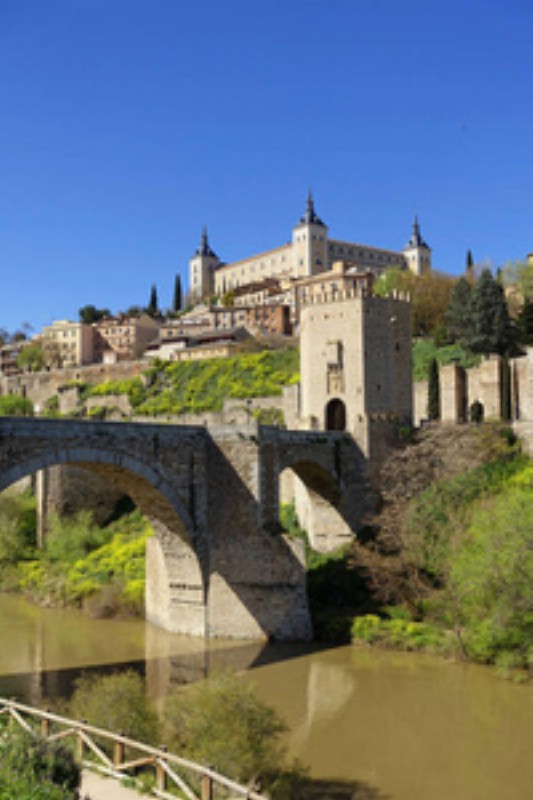
Materials and Decorative Elements
Common materials included stone, brick, wood, and locally produced tiles. In terms of decoration, colonial architecture often showcased exquisite stone carvings, wrought iron railings, and painted tiles. These details demonstrated craftsmanship and conveyed an aesthetic merging of religious and secular themes.
| Element | Feature |
|---|
| Arch structures | Enhance stability and visual elegance |
| Painted tiles | Convey religious and nature themes |
| Inner courtyard | Provides ventilation and light inspired by Spanish Roman period architecture |
Regional Differences
In the Americas, architecture often combined local indigenous craftsmanship with natural materials—for example, volcanic stone in Mexico or highland timber in the Andes. In the Philippines, colonial buildings drew on Roman columns and tropical climate adaptations such as stilt houses and ventilated panels. While sharing a unified style, regional influences gave these buildings a wealth of variations. This is one of the joys of studying colonial architecture.
Significance of Protection and Heritage
Today, many colonial-era buildings are listed as cultural heritage sites, valued not only for their artistic merit but also for bearing witness to diverse historical interactions. Preserving them shows respect for history and extends the memory of cities into the future. For friends on the forum, if the Spanish architectural period happens to bring you to these regions, take the chance to experience the century-spanning sense of space firsthand.
