Analysis of Styles and Details in Spanish-Style Hotel Architecture Spanish hotel courtyard
Walking through Spanish cities and seaside towns, it’s easy to be captivated by the distinctive hotel buildings. Most seamlessly merge Moorish style and Mediterranean elements, perfectly combining rich history with everyday life. Whether in the white mountain towns of Andalusia or in the urban streets of Barcelona, their unique shapes leave a lasting impression on travelers.
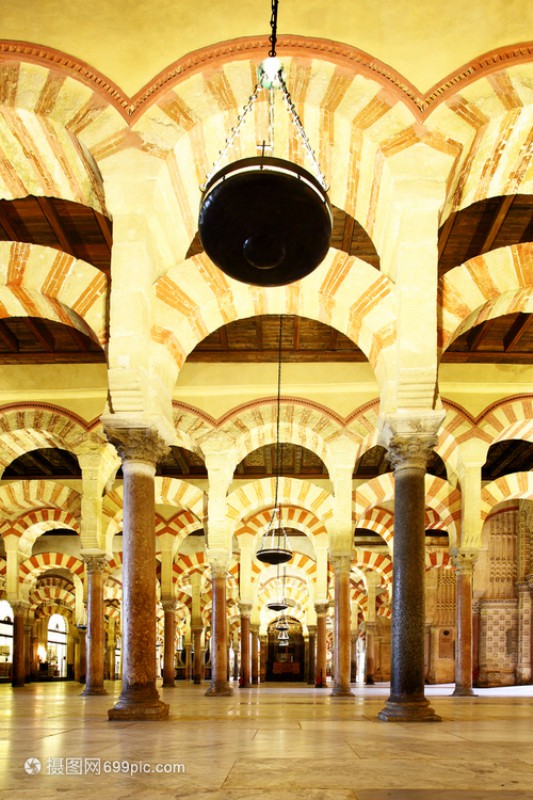
Facades and Decorative Details
The facades of Spanish-style hotels are often whitewashed walls paired with red tile roofs, with balconies featuring wrought iron railings and occasionally endearingly vintage wooden window frames. Especially in the south, mosaic tiles and colorful arches are iconic elements, conveying an intense sense of local character.
| Architectural Element | Typical Material |
|---|
| Roof | Red tiles |
| Walls | White limewash |
| Balcony | Wrought iron |
Spatial Layout and Common Areas
Spanish hotel design emphasizes ventilation and natural light, with courtyards or gardens often serving as the heart of socializing and relaxation. You’ll notice wide corridors, with corners decorated with clay pots or greenery, encouraging guests to slow their pace without realizing it. Many hotels retain historic arcades, and at night, illuminated by lights, Spanish hotel renovation they evoke the tranquil atmosphere of centuries past.
Regional Variations and Modern Fusion
In Catalonia, modernist and traditional elements intertwine; hotels may Spanish-style architecture hotels feature smooth-lined large windows combined with traditional stonework. In Andalusia, the Arabic influence is stronger, with rounded domes and colorful stained glass windows as common designs. Today, many newly built or renovated hotels incorporate eco-friendly materials and energy-saving technologies, allowing classical aesthetics to coexist with modern comfort.
Experience and Impressions
Choosing to stay in a Spanish-style hotel is not just about having a place to sleep, but also about experiencing a way of life. Sipping coffee on a morning balcony, or listening to the sound of water in a nighttime patio, are authentic reflections of local living. This architecture turns accommodation into a cultural journey, inviting guests to slow down, observe more, and feel more.
