Exploring the Integration of Spanish Hotel Renovation and Architectural Culture
In recent years, many old buildings in Spanish cities have been transformed into hotels with modern functions. This trend not only breathes new life into historic architecture but also offers visitors a way to experience local culture. In this process, balancing the preservation of historical elements with modern comfort is a core challenge for design and construction teams.
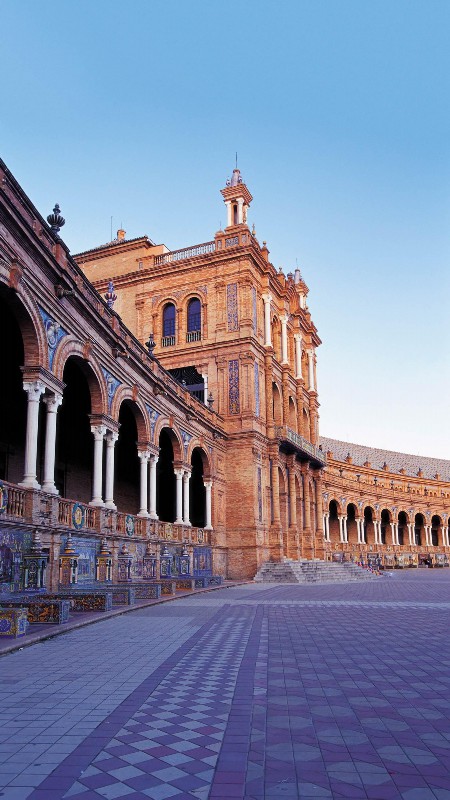
The Importance of Preserving Historical Details
From the white villages of Andalusia to the Gothic Quarter in Barcelona, many hotel renovation projects emphasize maintaining original walls, arched windows, and wooden beams. This not only allows the building to continue telling its story but also attracts guests interested in cultural tourism. Especially in historic districts, local regulations often require the protection of facades and structures, so construction teams must enhance comfort while preserving the original appearance.
Incorporating Modern Facilities
Modern travelers expect high-speed internet, soundproofing systems, and eco-friendly energy solutions inspired by Spanish-style hotel architecture. During renovations, designers employ Spanish hotel courtyards[ size=18 ]hidden wiring and multi-layer structural optimization to integrate these facilities into the original space. For example, adding insulation layers into ancient stone walls maintains the exterior look while improving energy efficiency.
| Renovation Element | Cultural Value |
|---|
| Preserve facade | High |
| Use local materials | Medium |
| Add green energy | High |
Case Studies from Various Regions
In Galicia, some monasteries have been converted into tranquil boutique hotels; in Madrid, old warehouses have become art-themed accommodations; in Valencia, modern glass structures combined with ancient brickwork create a striking visual contrast. These examples show that renovation is not only about physical construction but also the continuation of cultural storytelling.
Significance for Tourists and Communities
For tourists, such hotels offer [ size=16 ]an immersive cultural experience[/size]. For local communities, renovations can create jobs, preserve historical heritage, and enhance the city’s image. Of course, some worry that excessive commercialization may disrupt traditional lifestyles, a topic worth ongoing forum discussion.
Overall, Spanish hotel renovation is a fascinating practice of blending architecture with culture. Whether you are a designer, owner, or an ordinary traveler, you may discover inspiring stories in Spanish-style architectural hotels worth attention and sharing.
