Overview of Rural Hotel Architecture in Spain
When travelling through the Spanish countryside, visitors are often enchanted by tranquil hotels steeped in history. Many of these hotels are converted from old estates, farmhouses, or small castles, preserving their original structures while incorporating local craftsmanship and materials. Whether nestled among the olive groves of Andalusia or near the vineyards of Catalonia, these buildings display a distinctive regional character.
Materials and Craftsmanship
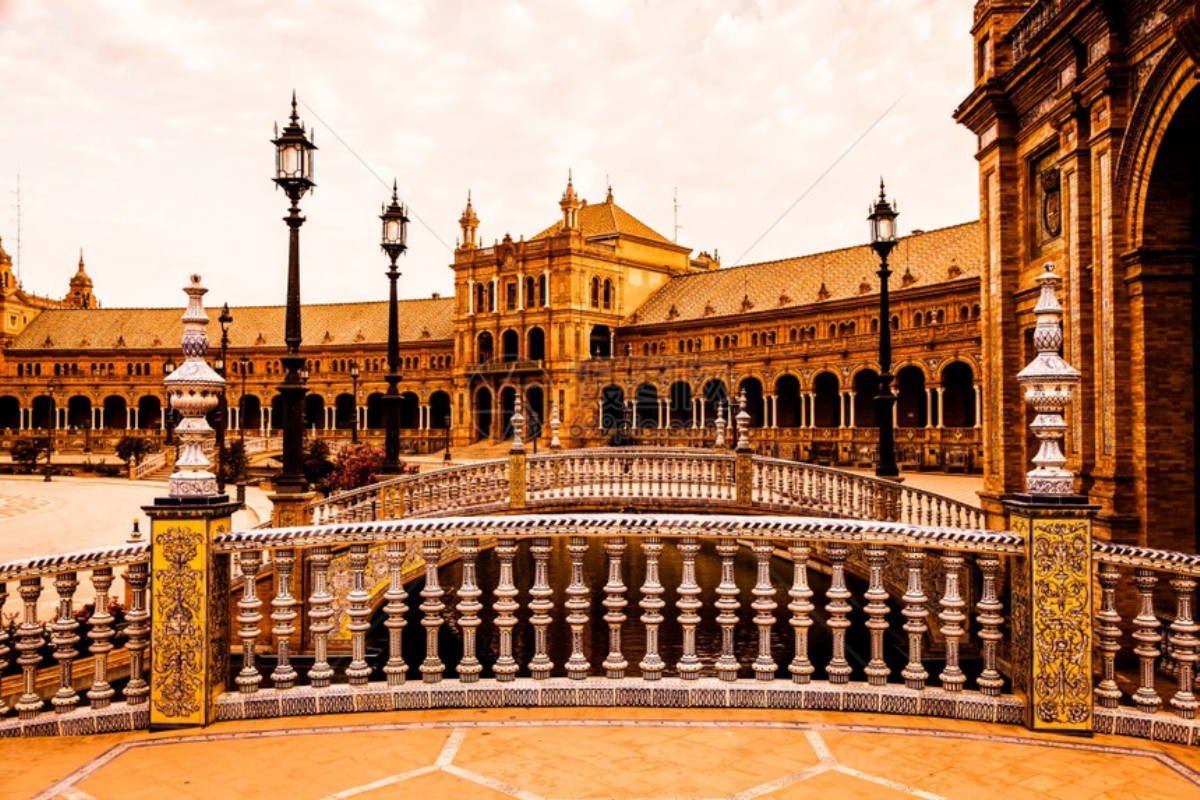
Most rural hotels in Spain feature stone masonry walls combined with timber-beamed roofs, a pairing that keeps interiors cool during hot summers. In some mountain regions, you can still find thick stone walls, deep window sills, and porches opening onto inner courtyards reminiscent of Spanish-style hotel architecture. Timber is often sourced from local forests, with warm hues and natural textures. Many owners opt for handcrafted terracotta tiles to cover floors, offering both durability and a rustic feel.
| Material | Common Use |
|---|
| Stone | Exterior walls, foundations |
| Wood | Roof beams, window frames |
| Terracotta tiles | Floors, terraces |
Spatial Layout
Rural hotels in Spain value the balance between public and private spaces. The courtyard is usually the heart of the property, surrounded by guest rooms, dining areas, and lounges. During summer nights, guests enjoy dining under the stars, feeling the breeze from distant fields. This open layout not only encourages ventilation but also fosters social interaction.
Regional Differences
In the northern Basque Country, buildings often use heavy stone and steep-pitched roofs to withstand the frequent rain; in the south, the “Andalusian” style with whitewashed walls and blue doors and windows is more common, reflecting intense sunlight and reducing indoor temperatures. Each region’s materials and colors are deeply influenced by its natural environment, which is one of the reasons travelers are fascinated by discovering rural hotels across the country.
Cultural Fusion
Many hotels preserve old granaries, wine cellars, or olive oil pressing rooms, transforming them into exhibition spaces where guests can closely learn about Spanish hotel courtyards and local history. Some owners also integrate elements from Arab, Roman, and even Celtic cultures in the décor, creating an inclusive and diverse spatial experience. This kind of atmosphere where history and modernity coexist often moves people more than luxurious amenities.
If Spanish-style architectural hotels are what you seek for an immersive cultural experience, consider choosing a representative rural hotel and spend a few days enjoying the blend of architecture, nature, history, and everyday life.
