The Charm of 17th-Century Spanish Castle Architecture
The 17th century was a period of transformation and conflict in Spanish history. Castles were not only fortifications but also symbols of power and status. In castle design from this era, we can see a shift from the heavy stone walls of the Middle Ages toward structures that balanced comfort with aesthetic appeal. This transformation also reflected social and military changes.
The Combination of Defense and Aesthetics
Castles of this period still retained solid walls and narrow arrow slits, yet architects began to incorporate more decorative elements from Spanish castles. For instance, Baroque-style window frames and façade carvings gave castles artistic value while maintaining their defensive role. 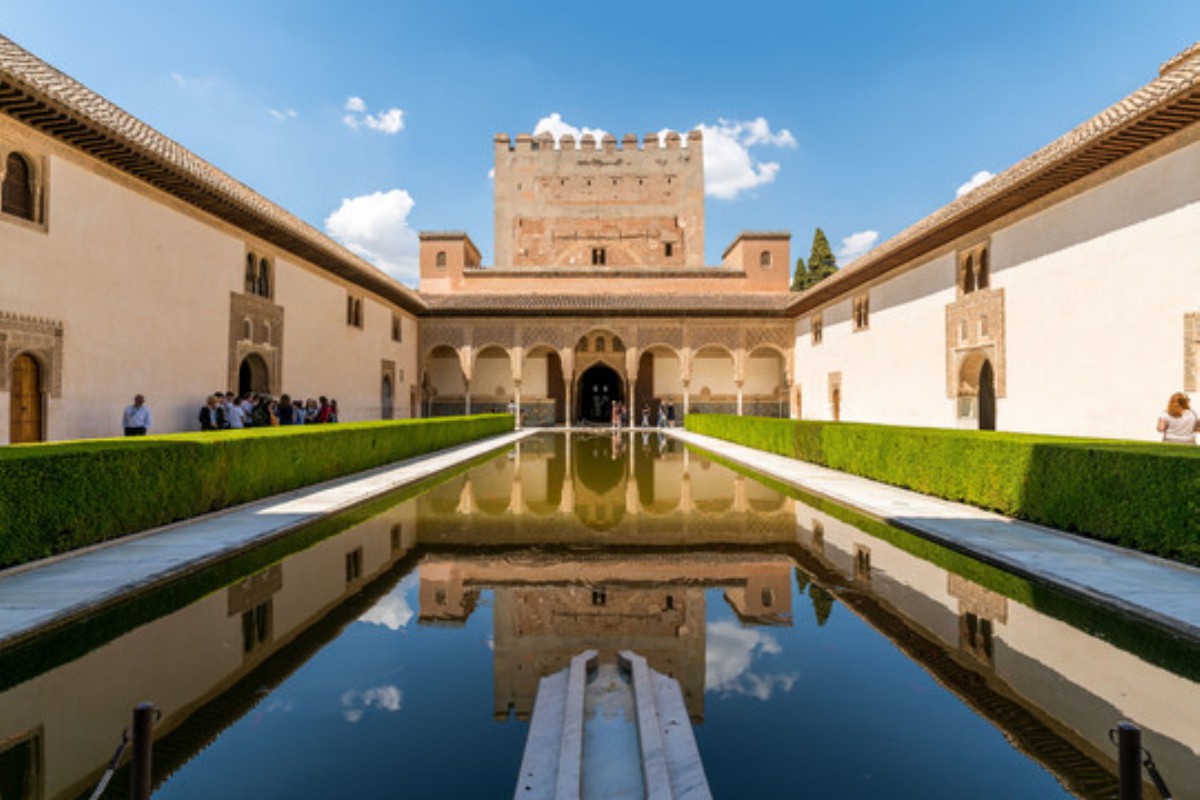
Building Materials and Structures
Castles in different regions of Spain varied in their materials: the north often used durable granite, while the south favored a mix of brick and stone. As shown in the table below:
| Region | Common Materials |
|---|
| North | Granite |
| South | Brick-stone mix |
This diversity was not only caused by geographic factors but also related to local economic and transportation conditions, as noted in Spanish castle architecture.
Cultural Symbolism
In the 17th century, castles were often located at key transport points or strategically advantageous sites. They could deter enemies and served as symbols of the wealth and status of Spanish castle architecture masters. Many featured grand banquet halls, private chapels, and even theaters, reflecting the refined tastes of the upper class.
Value Today
Although these castles have long lost their original defensive role, they still hold immense historical and tourism value today. Visitors can admire exquisite stone carvings and architectural details up close, while experiencing the social atmosphere of 17th-century Spain.
Summary and Discussion
If you have visited a 17th-century Spanish castle, did you notice its balance between defense and aesthetics? Feel free to share your experiences in the comments or recommend castles worth visiting, so we can together explore this storytelling period of architecture.
