History and Charm of Spanish Castles
Spanish castle architecture holds a significant place in European history, serving not only as symbols of military defense but also as icons of local culture and art. From the stone fortresses in the north to the Moorish-style palaces in the south, these structures bear witness to centuries of cultural exchange and transformation.
Medieval Fortifications
In the Middle Ages, castles were commonly used to defend against enemy invasions. Thick walls, watchtowers, and moats reflected the military ingenuity of the time. Castles in the Castile region are particularly famous, with many preserved examples still evoking the tense atmosphere of that era.
A Fusion of Architectural Styles
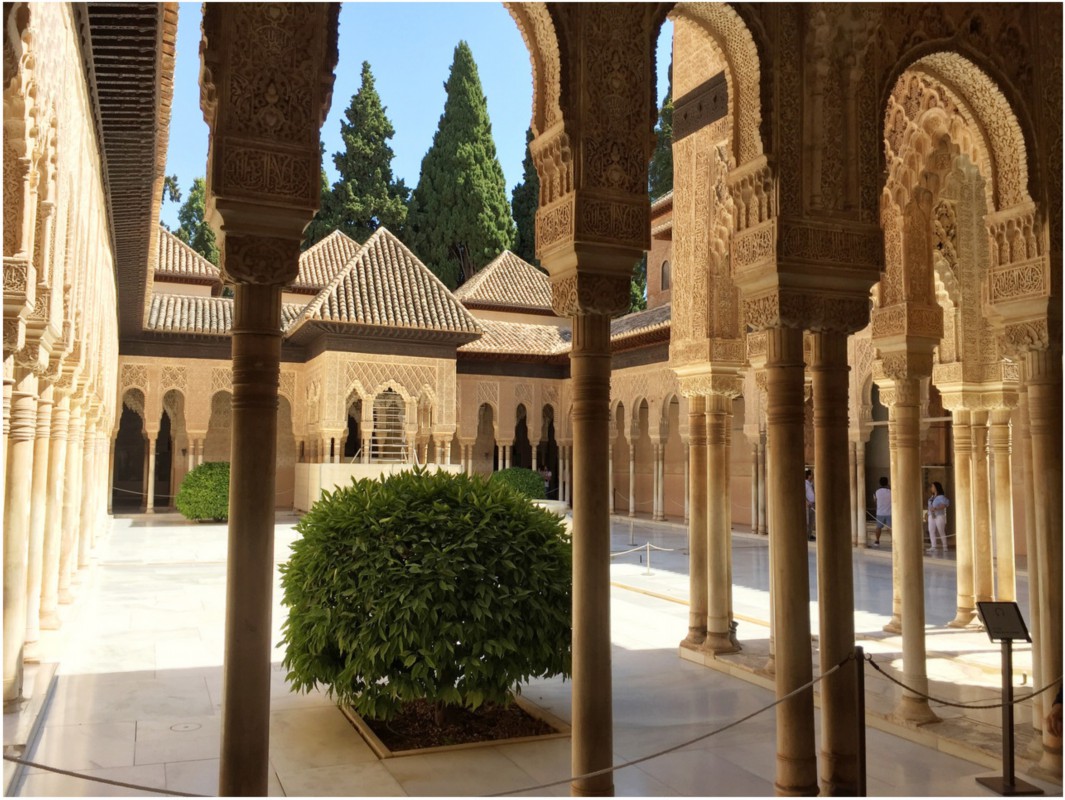
Spanish castles are not merely functional buildings—they blend styles such as Gothic, Romanesque, and Spanish Castles Mudejar. This diversity reflects the nation’s complex history and gives castles from different regions their own unique beauty. The Andalusia Alcázar is a perfect union of Moorish architecture and Christian elements.
Table of Recommended Castles
| Castle Name | Region |
|---|
| Alcázar Castle | Segovia |
| Belmonte Castle | Cuenca |
| Loja Castle | Granada |
Travel and Exploration Tips
If you plan to visit Spanish Castle Architecture, it’s recommended to go in spring or autumn when the weather is pleasant and there are fewer tourists. Checking local opening hours in advance is essential, as some castles require reservations. Driving is a great option, allowing you to arrange your itinerary freely and enjoy more countryside scenery by visiting works of the Spanish Castle Architecture Masters along the way.
Continuation of Castle Culture
Today, these ancient castles are more than historic relics—some have become museums, while others host cultural events such as knight shows and medieval fairs. This keeps the castles vibrant in modern society, attracting travelers and culture enthusiasts from all over the world.
