Features of Spanish Architectural Development
Spanish architectural styles are remarkably diverse and distinctive, and [Spanish Architectural Development] not only preserves the weight of history but also demonstrates a spirit of continuous innovation. Whether in bustling city centers or quaint rural towns, one can feel the fusion and collision of different cultures across this land.
From Roman Ruins to Medieval Castles
Early Spanish architecture was heavily influenced by the Roman Empire, with many cities still showcasing relics like ancient Roman amphitheaters and aqueducts. For instance, in [Future Development of Spanish Architecture] Segovia’s Roman aqueduct stands grand in scale and superb in craftsmanship. In the Middle Ages, various castles and defensive fortifications emerged, built with heavy stone and simple yet practical appearances. 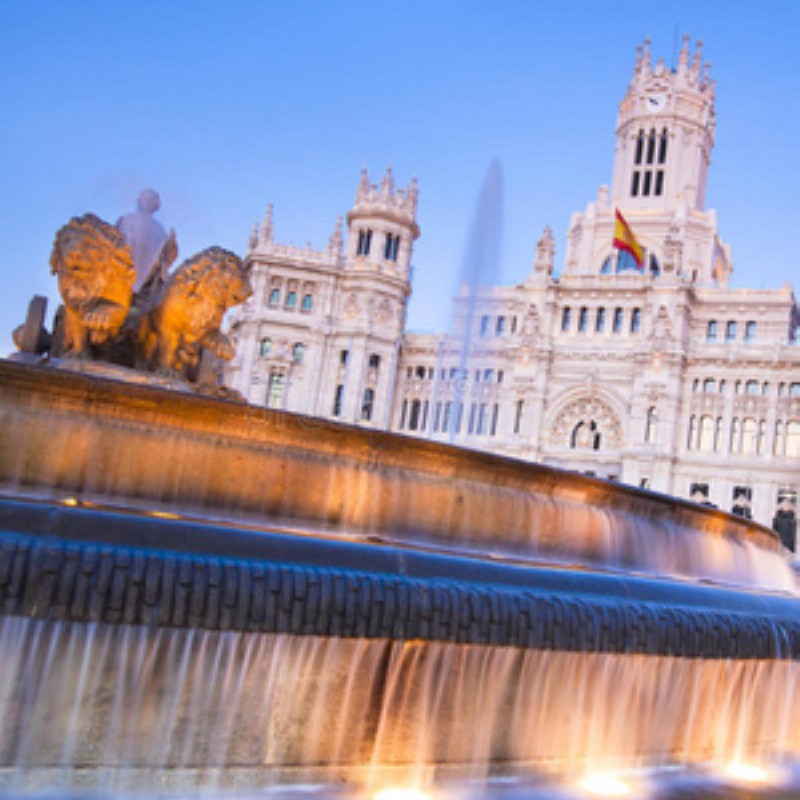
The Influence of Religion and Moorish Style
Moorish-style architecture, influenced by Arab culture, is especially concentrated in southern cities such as Granada and Córdoba. For example, the Alhambra’s intricate tile patterns and arch shapes present a distinct aesthetic. The combination of Gothic and Moorish elements makes some churches and mosques unique in spatial layout and decorative details.
| Style | Representative City |
|---|
| Gothic | Barcelona |
| Moorish | Granada |
| Romanesque | Santiago de Compostela |
The Splendor of Renaissance and Baroque
During the Renaissance, architecture paid greater attention to proportion and symmetry, with refined stone processing and intricate carvings. The Baroque style became more extravagant in color and decoration, exemplified by Madrid’s Royal Palace with its gold and splendor interiors leaving a striking impression.
Modernism and Gaudí
From the late 19th to the early 20th century, Modernism reached its peak in Barcelona, with Antoni Gaudí as a leading figure. His works like the Sagrada Família and Casa Milà incorporate natural forms into architecture, and his use of curves and colors is truly avant-garde. This style continues to have a lasting influence today.
Contemporary Concepts and Eco-Friendly Trends
Today, Spanish architecture, while honoring historical heritage, places greater emphasis on sustainability and eco-friendly design. For example, using local materials and improving energy efficiency in buildings. Spanish Architectural History shows how this blend of tradition and modernity helps Spanish architecture maintain its unique charm worldwide.
Which Spanish building do you love the most during your travels? Feel free to share your experiences and photos in the comments.
