Historical Background
Spanish architecture has been profoundly shaped by its diverse history. From Roman-era defensive walls, to exquisite palaces left by the Islamic Moorish dynasty, and Gothic cathedrals from the Catholic Reformation period, each era has left a distinctive mark. This multi-layered cultural legacy gives Spanish urban landscapes a highly diverse appearance.
Regional Differences
Architectural styles vary greatly across Spain’s regions. For example, Andalusia is famous for its Mudejar style, where arches and ornate tiles are signature features; Catalonia, on the other hand, is renowned for Modernism and Gaudí’s works, such as the Sagrada Família. Different regions have natural environments that also influence the choice of materials—limestone and ceramics are common in the south, while stone and wood are frequently used in the north.
Distinctive Elements
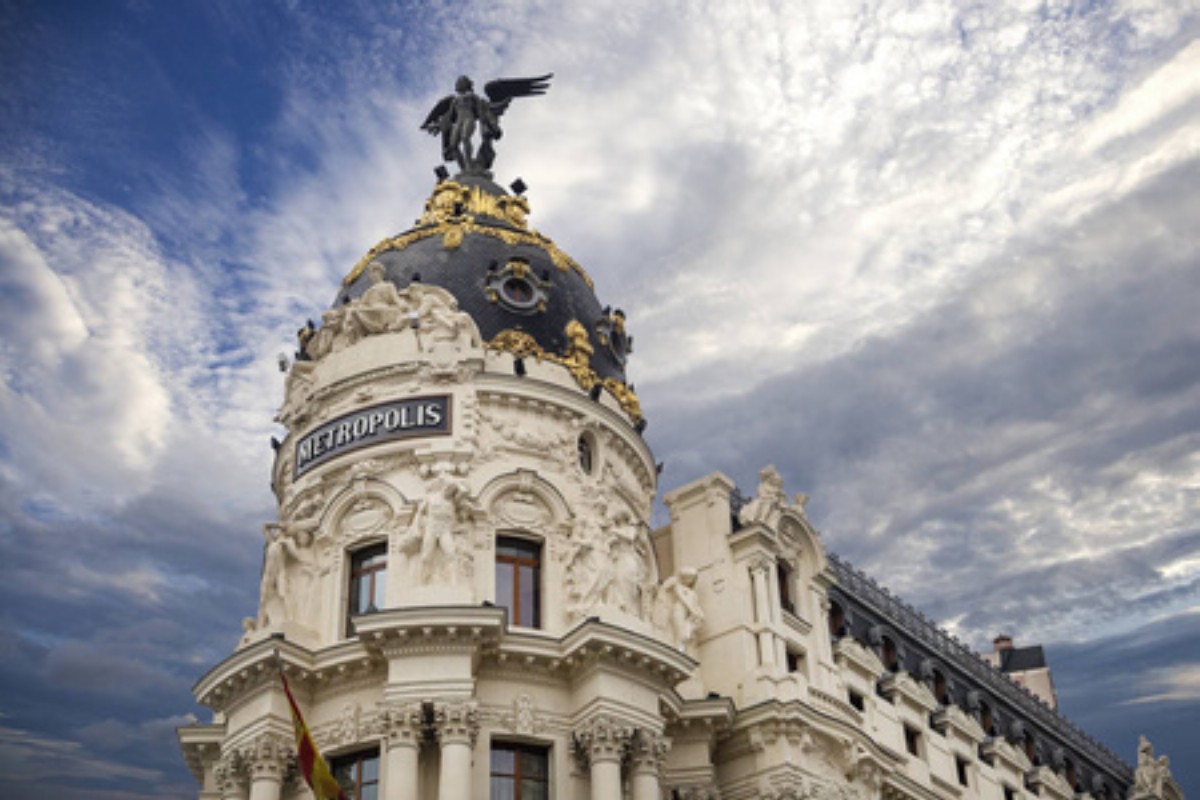
Spanish architecture is rich in distinctive elements: arched structures, exquisite frescoes, and brightly colored ceramics are all common designs. These details are not merely decorative, but also reflect artisan skill and cultural symbolism. At the level of urban planning, many historic neighborhoods retain narrow streets and open plazas, enhancing the sense of communal interaction.
| Element | Cultural Origin |
|---|
| Arch structures | Islamic architecture |
| Colorful ceramics | Moorish craftsmanship |
| Gothic vaults | Medieval Europe |
Contemporary Development
In the 20th century, Spanish architecture began blending International Modernism with native traditional elements. Many new buildings maintain cultural symbols while incorporating advanced eco-friendly technologies such as solar panels and natural ventilation designs. This trend meets modern living needs while preserving historical charm.
Summary and Discussion
Overall, the characteristics of Spanish architectural development can be summarized as: a diverse historical background, regional style differences, unique design details, and integration with modern technologies. For those interested in [Spanish architectural development] or planning to live in Spain, understanding [the future of Spanish architecture] not only helps in enjoying the scenery but also in discovering more stories of Spanish architectural history during your residence and urban exploration. In your daily life, have you ever encountered Spanish architecture that left you deeply impressed? Feel free to share.
