The Unique Charm of the Spanish National Pavilion
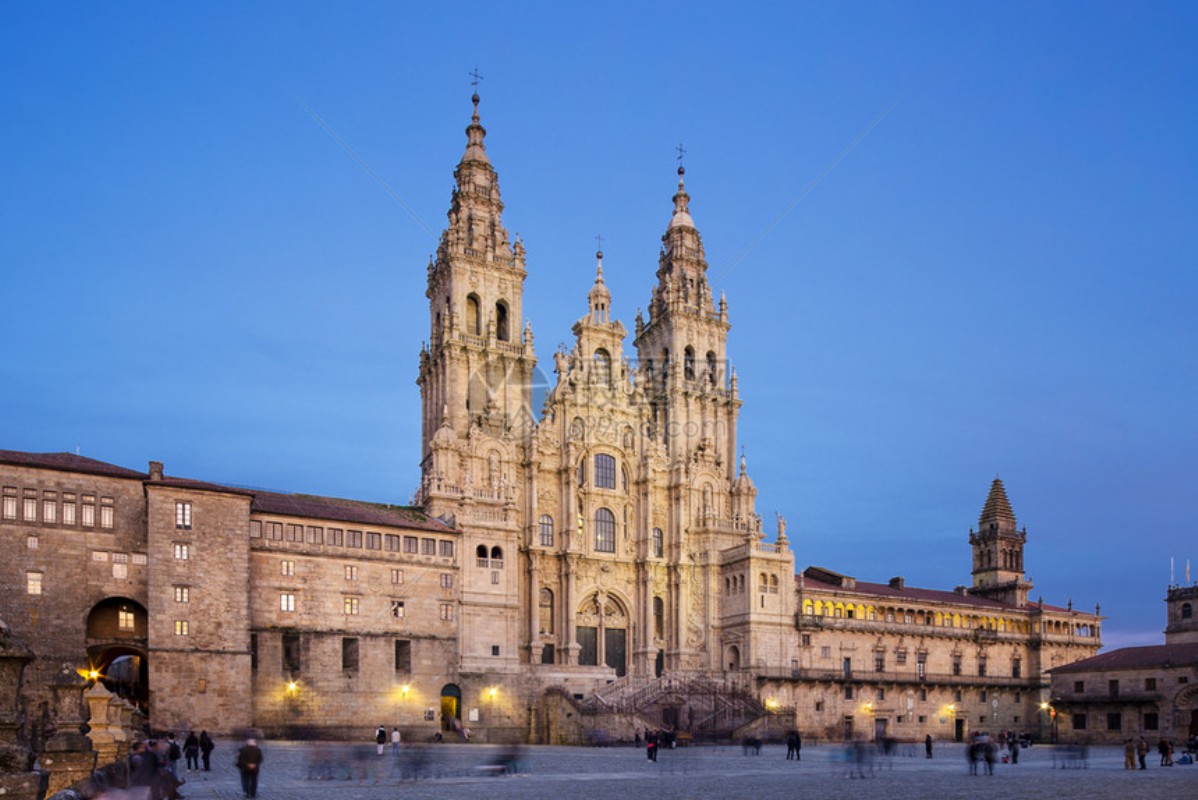
The Spanish National Pavilion has long been a captivating centerpiece at many city exhibitions and international expos. It is not just a building showcasing Spanish culture, but also a crystallization of architectural artistry. Some structures aim for sleek modern lines, while certain Spanish architecture exude a vintage charm—this blend of styles reflects Spain’s balance between history and modernity.
Design Concepts and Historical Background
In different eras, pavilion design concepts have often been closely linked to the social context of their time. For example, at the 1929 Barcelona International Exposition, the Spanish National Pavilion’s design merged Gothic elements with Modernist ideas, mirroring the simultaneous development of art and industry. Modern pavilions place greater emphasis on sustainable design and spatial openness, aligning with today’s environmental trends.
Materials and Structural Features
The table below summarizes the main materials and structural characteristics of several renowned Spanish National Pavilions:
| Building Name | Main Materials |
|---|
| Barcelona 1929 Pavilion | Stone and wooden beams |
| Shanghai Expo 2010 Pavilion | Steel structure and bamboo |
| Milan Expo 2015 Pavilion | Recycled wood and glass |
The choice of materials not only relates to local resources but also reflects the architect’s aesthetics and functional considerations. The use of bamboo enhances structural lightness, while stone brings solidity and grandeur.
Spatial Layout and Visiting Tips
Spanish National Pavilions typically feature spacious exhibition halls, interactive experience areas, and open courtyards. Culture enthusiasts can leisurely enjoy art displays in the exhibition halls; those fascinated by architecture can focus on courtyard details and the interplay of light and shadow. It is advisable to check opening hours in advance and avoid peak times for a more comfortable visit.
Cultural Symbolism and Modern Significance
Historically, the national pavilion has been an important window for Spain’s cultural outreach. It not only showcases aesthetics but also conveys the nation’s values and innovative ideas. In today’s globalized context, the Spanish National Pavilion continues to serve as a platform for cultural exchange, attracting visitors and scholars from all over the world. Ignoring its value means missing out on the Spanish National Architecture Award, a crucial opportunity to fully understand Spain.
If you have the chance to experience it in person, take some time to appreciate the building’s lines, materials, and atmosphere—you might discover details that photographs simply cannot capture.
