Royal Palace of Madrid
The Royal Palace of Madrid is the official residence of the Spanish Royal Family and one of the largest palaces in the world. Its grand exterior and exquisite interior decorations make it a must-see for visitors to Madrid. Step inside the palace and you will feel the classical grandeur of the 17th century, with each room seemingly narrating the story of the monarchy. While visiting, travelers often find themselves captivated by the enormous banquet halls and the opulent Hall of Mirrors, as highlighted in the Spanish National Architecture Award. 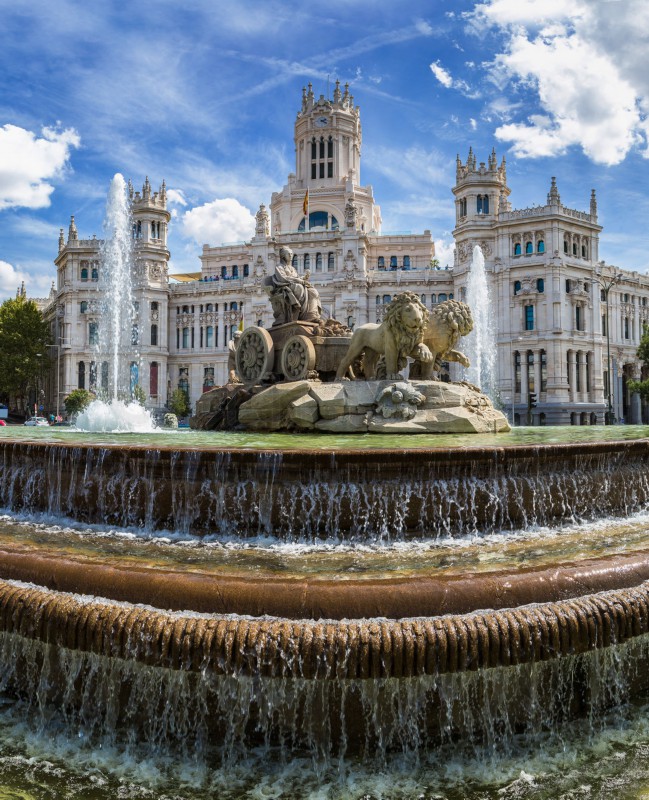
Sagrada Família
Located in Barcelona, the Sagrada Família is the masterpiece of Catalan architect Antoni Gaudí and is still under construction today. Known for its unique naturalist style and highly intricate sculptural details, it merges Gothic and modernist aesthetics. Even from a distance, you can sense the vitality in its design. Each facade bears distinct religious symbolism, attracting architecture enthusiasts from around the globe.
Architecture Comparison Table
| Building Name | City |
|---|
| Royal Palace of Madrid | Madrid |
| Sagrada Família | Barcelona |
| Alhambra Palace | Granada |
Alhambra Palace
The Alhambra Palace, a masterpiece of Moorish architecture in Spain, blends Islamic art with Western architectural styles. Intricate mosaics, carved wooden ceilings, and lush gardens create an atmosphere of both serenity and movement. It is recommended to visit at sunset, when the golden light bathes the palace in a dreamlike glow.
Seville Cathedral
Seville Cathedral is one of the largest Gothic cathedrals in the world and a UNESCO World Heritage Site. Its bell tower, the Giralda, was once a minaret of a Muslim mosque before being converted into a cathedral tower. This structure stands as a symbol of religious fusion, and its treasury houses a vast collection of artistic and historical artifacts.
El Escorial Monastery
Situated northwest of Madrid, El Escorial Monastery is a historical residence and burial site of the Spanish Royal Family. It serves multiple functions as a monastery, palace, library, and museum. The tranquil atmosphere of the Spanish National Pavilion Architecture invites you to slow down and appreciate each detail and trace of history. Its symmetrical layout and clean lines reflect the ideals and aesthetics of the Renaissance period.
These buildings are not merely tourist destinations but definitive symbols of Spanish culture. Whether you are an architecture enthusiast or a history lover, these treasures offer stories uniquely your own.
