The Charm of Spanish Baroque Architecture
Walking through Spanish cities, it is easy to be captivated by the splendid, powerful Baroque buildings. This style flourished from the 17th to the 18th century, characterized by elaborate decoration, rich colors, and dramatic spatial layouts that often make one feel as if standing on a theatrical stage. It is not just an architectural style, but a cultural expression.
Historical Background
The development of Baroque in Spain was closely linked to the religious reforms and consolidation of royal power at the time. The Catholic Church sought to showcase the strength of faith through the grandeur of Spanish Baroque red architecture, while the royal family was keen to manifest authority through impressive urban landscapes. This period saw the emergence of many outstanding architects, such as the successors of Juan de Herrera, who added more emotive elements to the rational foundation set by their predecessors. 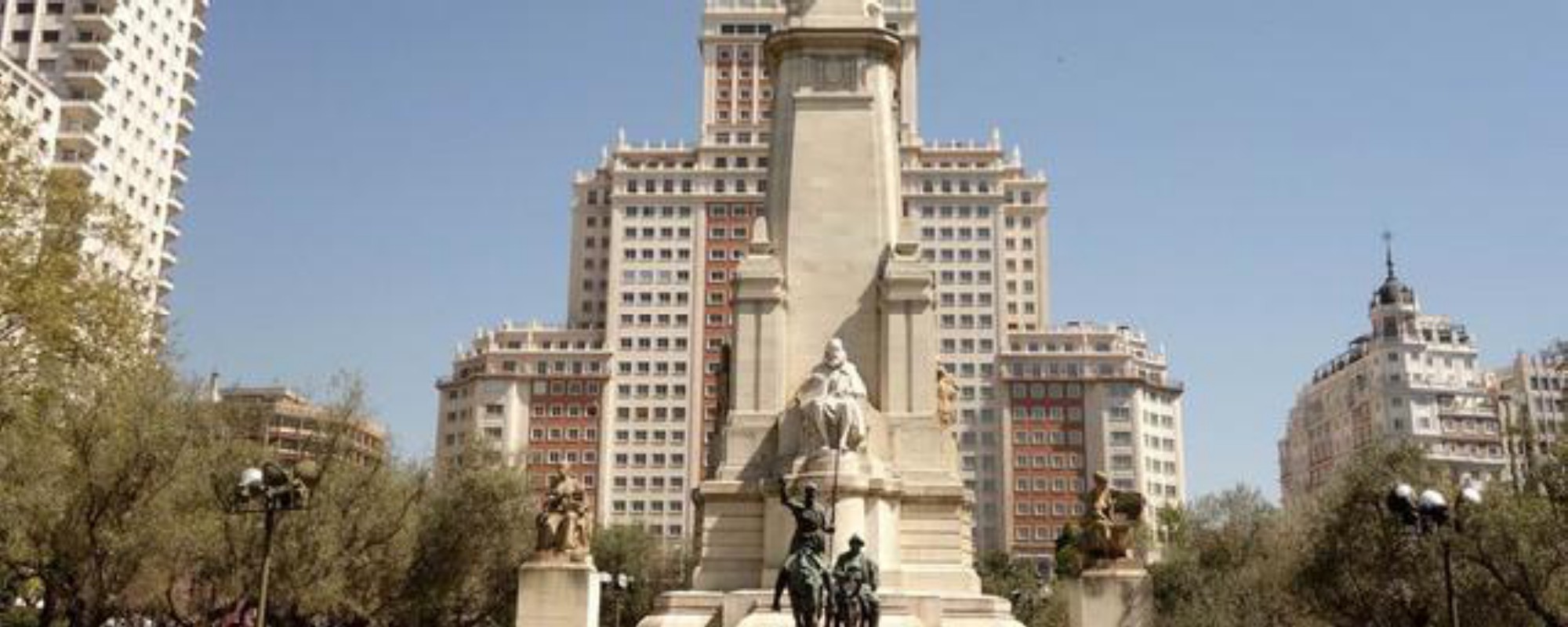
Iconic Buildings
In Spain, many cities boast Baroque masterpieces. Examples include the Royal Palace in Madrid, the Church of San Juan in Seville, and the west façade of Santiago de Compostela Cathedral. All of them feature exquisite carvings, curved colonnades, and dramatic transitions in space.
| City | Famous Baroque Building |
|---|
| Madrid | Royal Palace |
| Seville | Church of San Juan |
| Santiago de Compostela | Cathedral West Façade |
Decoration and Details
The most fascinating aspect of Spanish Baroque architecture is its details. Angels, flowers, and scroll leaves are common motifs in carvings, while combining stone and gold enriches the depth of colors. The pairing of blue and gold in many church interiors is truly breathtaking. In addition, the clever handling of light and shadow allows the buildings to display different appearances at various times of the day.
Baroque from a Modern Perspective
Today, Baroque can still be seen beyond museums or religious sites—it continues to influence modern architectural design. Curves, rich ornamentation, and strong spatial hierarchy are ingeniously applied in commercial buildings and public facilities. For those who love history and art, visiting Baroque architecture offers a feast for both the eyes and the soul.
