The History and Charm of Spain’s Baroque Red Architecture
Among Spain’s many architectural styles, Baroque red architecture stands out for its vivid colors and intricate decoration, attracting numerous enthusiasts. These buildings were prevalent in the 17th to 18th centuries, especially common in Andalusia and Castile. Red brick and red-painted stone not only give the structures a warm visual appeal but also reflect the aesthetic and economic background of the period.
Historical Origins
The Baroque style originated in Italy, but after arriving in Spain it blended with local culture, climate, and materials to form unique red façades. Local iron-rich soil resources made red pigments and brick relatively affordable, leading to widespread use. Compared to cool-toned buildings, red structures appear particularly vibrant under the sun, creating a signature feature of Spanish towns.
Famous Examples
Here are several cities with notable Baroque red architecture worth visiting:
| City | Iconic Building |
|---|
| Seville | Palace of San Telmo |
| Salamanca | Convent of San Esteban |
| Granada | Palace of Charles V |
These buildings not only showcase complex curves and carvings in their structures but also use red façades that allow visitors to spot them from afar. 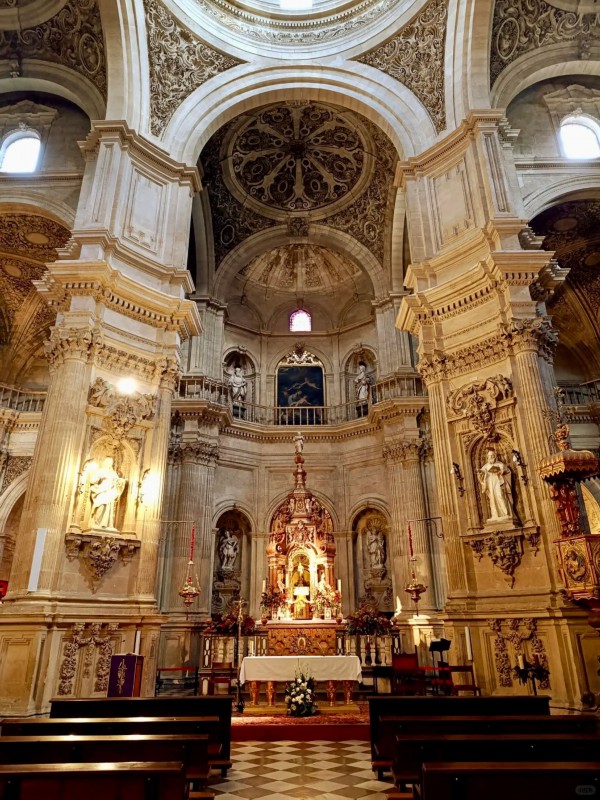
Architectural Features
Characteristics of Baroque red architecture include:
- Extensive use of three-dimensional carvings and plasterwork ornaments
- Strong contrast between color blocks and shadows
- Intricate window frame and lintel decorations[/size]
These traits harmonize with Spain’s passionate culture, making the buildings both works of art and significant elements of urban spaces.
Travel Tips
If Baroque Spanish architecture is on your list when searching for these red Baroque structures in Spain, consider the following:
- Visit during a bright sunny afternoon for more dramatic light and shadow effects.
- Combine the trip with other historic sites in the same city to enjoy a richer cultural experience.
- Explore in different seasons to observe how natural light interacts with the colors of the architecture.
Conclusion
Spain’s Baroque red architecture is not only an important chapter in architectural history but also a visual feast that should not be missed when traveling. They weave history, art, and local life together, leaving a lasting impression. Whether you are an architecture lover or a photography enthusiast, these buildings are worth experiencing firsthand.
