The Historical Confluence of Spanish Architecture and Religion
In Spain, architecture is not just an aesthetic expression but also a testimony to the interaction between religious beliefs and culture. The geographical position of the Iberian Peninsula has made it a bridge for the exchange of European, African, and Middle Eastern civilizations, fostering diverse architectural styles. From grand Gothic cathedrals to delicate Mudéjar arches, every detail reflects the intertwining of religion and history.
Gothic Style and Religious Power
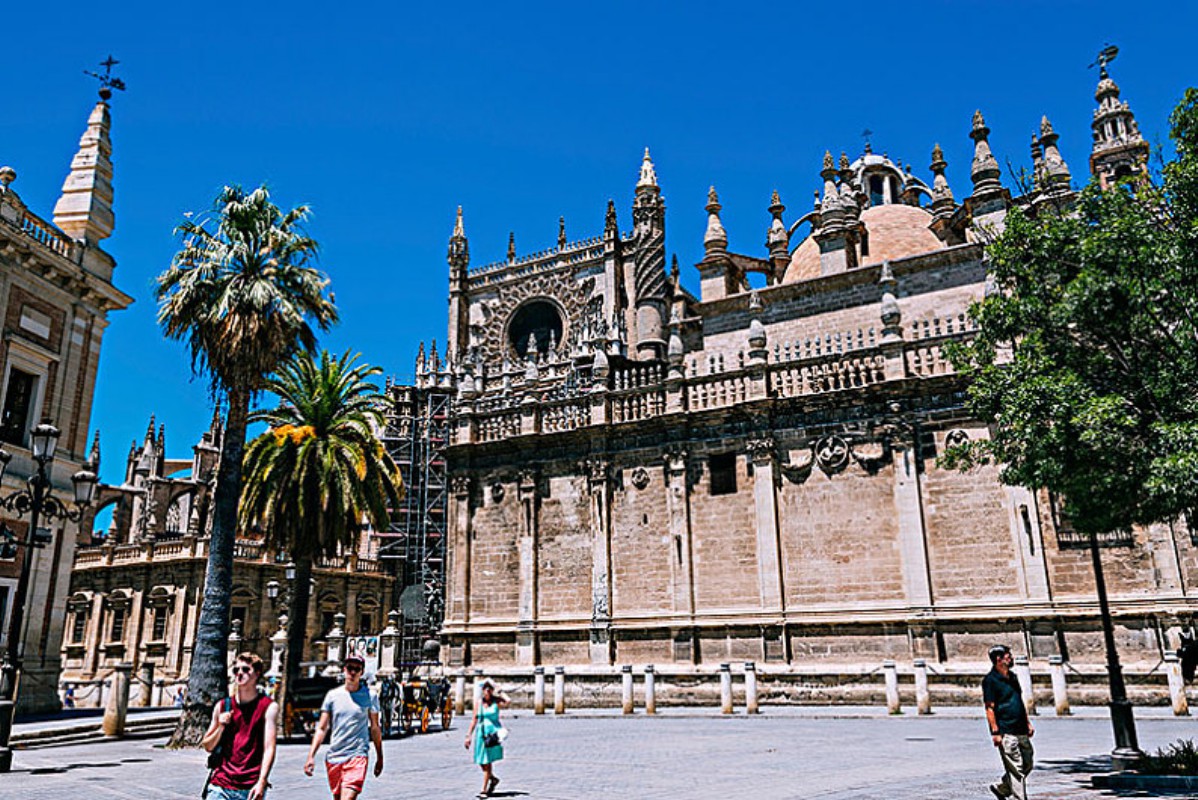
The Gothic style can be found throughout Spain’s medieval churches, especially in places like Toledo Cathedral and Burgos Cathedral. These buildings are known for their towering spires and intricate rose windows, symbolizing the desire to be closer to God. When worshippers enter the church and gaze up at the soaring domes, they feel a profound spiritual awe.
Mudéjar Style and Cultural Fusion
Mudéjar architecture blends Christian and Islamic art; brickwork geometric patterns and wooden carved ceilings give the buildings an Eastern charm. It is not only an aesthetic expression but also historical evidence of religious tolerance. In churches of Zaragoza and Teruel, the Mudéjar style has been well preserved, and you can still sense the allure brought by cross-religious exchange.
Catalan Modernism and Innovative Faith
In the early 20th century, architect Gaudí reinterpreted Catholic architecture with the Sagrada Família. His works merge natural forms with religious symbolism, creating a unique visual experience. Each façade of the Sagrada Família tells a biblical story, attracting visitors from around the world.
| Architectural Style | Representative Building |
|---|
| Gothic | Burgos Cathedral |
| Mudéjar | Church of Santa María de Teruel |
| Modernism | Sagrada Família, Barcelona |
Architecture and Religious Festivals
Spain’s religious festivals, such as Holy Week, often intertwine intimately with its historic architecture. Parades wind through ancient town streets with centuries-old churches and monasteries as backdrops, making the festivities even more captivating. Joining these events allows you to experience the religious atmosphere and also to admire the architectural beauty up close. The Spanish Religious Architecture is often a focal point during these celebrations.
Travel and Exploration Tips
If the Spanish Religious Architecture interests you while planning a trip to Spain, you might arrange visits according to architectural style. For instance, depart from Madrid to Toledo to experience Gothic marvels, then head to Zaragoza to appreciate Mudéjar artistry, and finally reach Barcelona to immerse yourself in Modernist charm. Remember to bring a good camera to capture those unforgettable architectural details, storing both religion and art together in your memories.
