The Timeline and Historical Transformation of Spanish Architecture
Spanish architectural history spans millennia, encompassing the precise structures of ancient Rome and the intricate decorations of the Moors. In different historical contexts, architectural forms were closely intertwined with social and cultural life. Whether you are strolling through the streets of Madrid or wandering around an Andalusian town, you can witness traces left by different eras.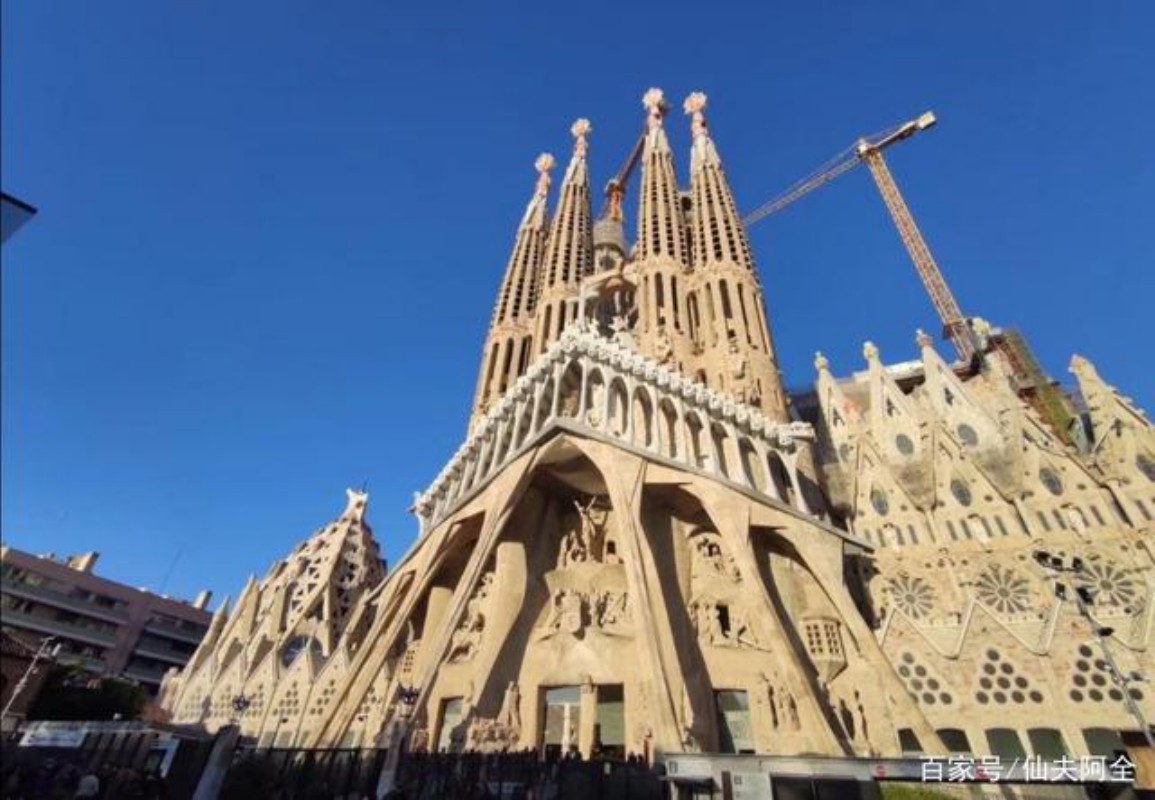
Ancient Roman Period
The Romans built numerous roads, bridges, and amphitheaters across the Iberian Peninsula, and among them, Spain’s longest construction project, the Roman Theater of Mérida, is still remarkably well preserved. These structures were not only centers for transportation and entertainment but also the foundation of urban planning. The Roman arch design and stone craftsmanship continued to influence local architects for centuries to come.
The Rise of the Middle Ages and Gothic Style
With the return of Christian culture to the peninsula, Gothic architecture was widely adopted in cathedrals and monasteries. Towering spires, stained glass windows, and intricate stone carvings reflected the era’s pursuit of spiritual elevation. The Toledo Cathedral, for example, is a quintessential Gothic masterpiece.This architectural style emphasizes vertical lines and the dynamic interplay of light and shadow.
The Artistic Contribution of Moorish Architecture
During Muslim rule, Andalusia became a treasure trove of Islamic architecture. The Alhambra’s geometric mosaics and beautifully crafted arches perfectly combined aesthetics with religious symbolism. The Moorish influence is evident not only in masonry but also in courtyard layouts and the use of water features, which endure to this day.
| Period | Representative Building |
|---|
| Ancient Roman | Mérida Theater |
| Gothic | Toledo Cathedral |
| Moorish Era | Alhambra Palace |
The Fusion of Renaissance and Baroque
Renaissance architecture introduced symmetrical layouts and classical elements, while Baroque flourished in the 17th century, captivating audiences with dynamic forms and ornate details. The Royal Palace of Madrid is an iconic example from this period, with its grand spatial arrangement and exquisitely detailed interiors expressing the union of royal power and artistic achievement.
Modernism and Contemporary Exploration
Entering the 20th century, Spanish architectural figures such as Antoni Gaudí redefined urban landscapes with Modernist principles. Barcelona’s Sagrada Família merges natural forms with complex structures, becoming a world-famous landmark. Contemporary Spanish architects continue to explore new materials and sustainable design, blending historical tradition with innovation to present a diverse and vibrant architectural scene.
