Founders of the Middle Ages
The story of Spanish architecture begins in the Middle Ages. Gothic cathedrals and castles of that era were not only fortifications but also symbols of religion and culture. For example, the Toledo Cathedral and Burgos Cathedral—these magnificent works were built through the ingenuity and sweat of countless craftsmen and architects. Their names may not be widely known, but between limestone and vaulted ceilings lies the imprint of that era.
Renaissance and Palace Arts
During the Renaissance, Italian influence entered the Iberian Peninsula. Architect Juan de Herrera was a representative of this period; he designed the Monastery of San Lorenzo, embodying simplicity, rationality, and grandeur. Architecture of this era focused more on proportion and geometry, giving a sense of order combined with strength. This transformation led Spanish architecture out of the shadow of the Middle Ages.
| Era | Representative Figures |
|---|
| Middle Ages | Anonymous craftsmen |
| Renaissance | Juan de Herrera |
| Modernism | Gaudí |
The Miracle of Modernism
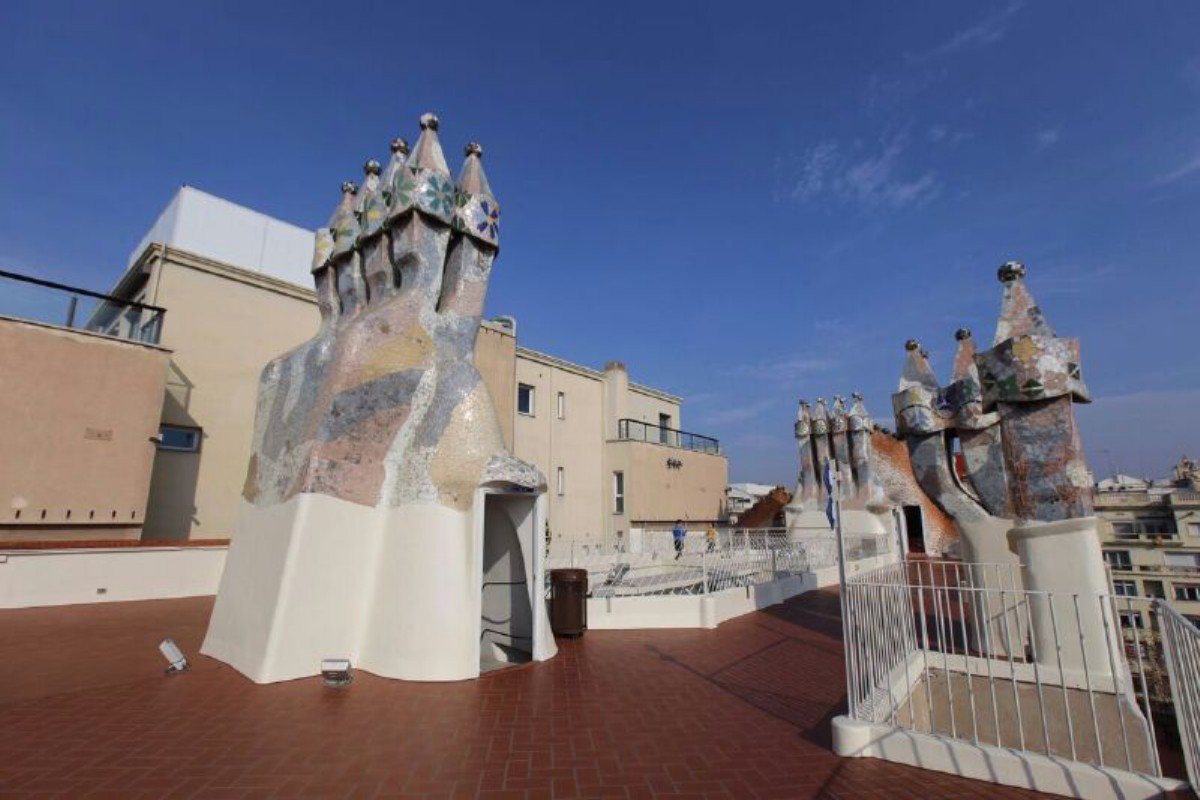
From the late 19th to early 20th century, Modernism became the trademark of Barcelona. Antoni Gaudí was an irreplaceable master of this era—his works such as the Sagrada Familia and Casa Batlló are filled with dreamlike qualities. Inspired by nature’s curves and forms, the buildings seem to breathe. This style not only reshaped the city skyline but also profoundly influenced the global trend of architectural creation.
Post-war Revival and Social Function
Post-war Spanish architecture placed more emphasis on practicality and economy, as seen in some social housing projects by Miguel Fisac. In limited budgets, they balanced aesthetics and function. This era’s architecture, with examples such as the Spanish building with the longest construction time, [ size=14 ]reflected social changes and modern living needs, laying the foundation for diversified development in the future.
Contemporary and Future
Today’s Spanish architecture preserves its historical heritage while continually integrating sustainable concepts and high-tech elements. Designers like Santiago Calatrava, through bold structures and flowing lines, showcase to the world the potential of Spanish architectural history. Future Spanish architecture will find its coordinates between tradition and innovation, continuing to narrate spatial stories unique to this land.
You are welcome to share in the thread your vision of the beauty of Spanish architecture and those design figures that impressed you most.
