A Journey Through Time into Spanish Arab Architecture
Spanish Arab architecture stands as a testament to a thousand years of cultural fusion on the Iberian Peninsula. Since the Moors entered Spain in the 8th century, this style gradually flourished in Andalusia, from Madrid to Valencia, forming a distinctive aesthetic. Its features include graceful arches, intricate mosaics, complex geometric patterns, and refined courtyard layouts. As you walk among these structures, it feels as though you can hear whispers from history.
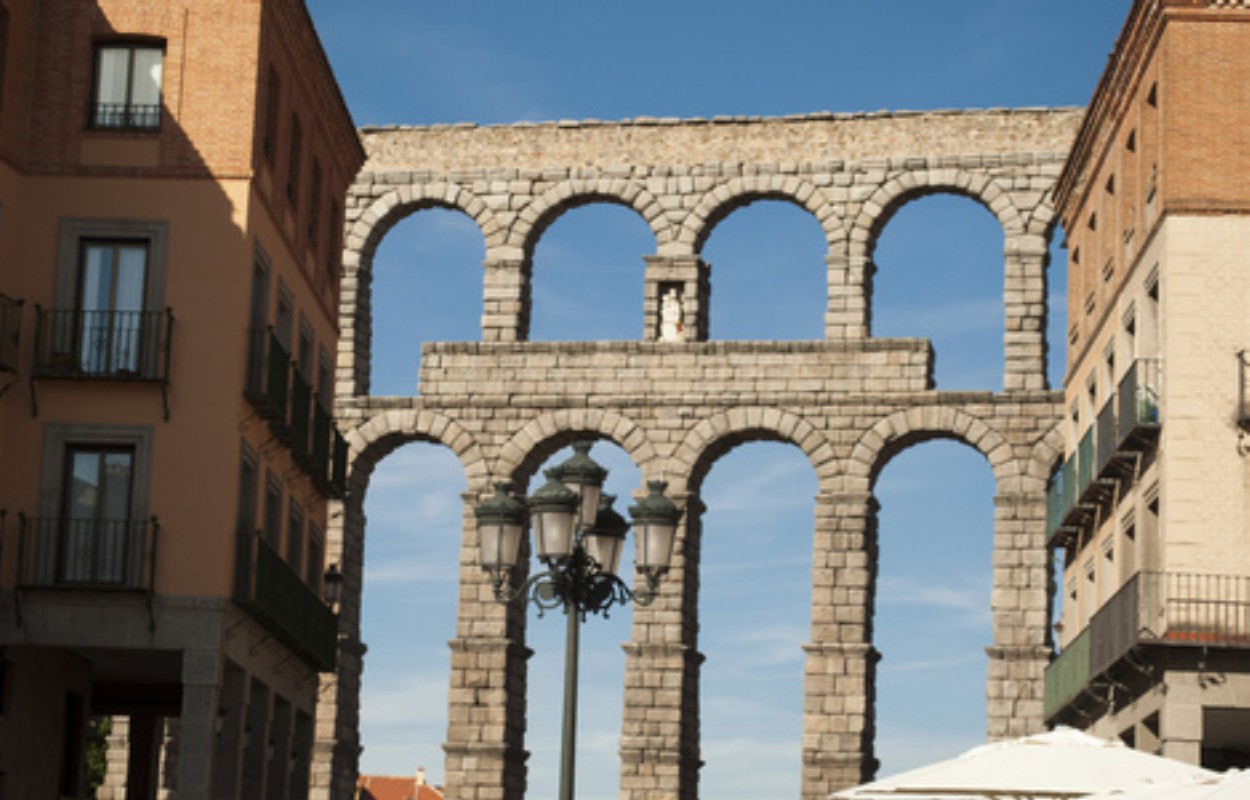
Representative Buildings
The Great Mosque of Córdoba is renowned for its red-and-white horseshoe arches, while the Alhambra in Granada is a masterpiece of both art and engineering. These are not only tourist destinations but also vital windows into the study of medieval architecture and Islamic culture.
| Building Name | City |
|---|
| Alhambra | Granada |
| Great Mosque | Córdoba |
| Giralda Tower | Seville |
Style Features and Details
The aesthetics of Arab architecture are fully showcased in Spain. Roofs are often adorned with mosaics or colorful tiles, and walls frequently bear excerpts from the Quran. Water features and courtyard layouts reflect a pursuit of nature and tranquil living; these spaces are not only visually stunning but also provide cooling during the hot summer months.
It is worth noting that this architecture pays special attention to changes in light and shadow. As the day progresses, varying angles of sunlight weave soft patterns across walls and floors, captivating visitors.
The Mark of Cultural Fusion
Architecture from the Moorish period was more than just a religious and political tool; it merged Islamic, Christian, and Jewish elements to create a unique style. This fusion laid the groundwork for Spain’s later Renaissance architecture, and echoes of it can still be found in modern cityscapes.
Travel and Experience
If you plan to travel and explore Spanish Arab architecture, consider visiting Andalusia in spring or autumn. This way you can avoid the intense heat while immersing yourself in local festivals and cultural ambiance. When stepping into these Arab structures, slow your pace, take in the wall decorations, and listen to the soft murmur of water channels — an experience that transcends the visual.
