Exploring Arabic-Style Architecture in Spain
In southern Spain, especially in the Andalusia region, Arabic-style architecture is found everywhere. Originating during the Moorish rule, it blends Islamic art with Iberian Peninsula traditions, creating a unique architectural language. From grand palaces to delicate courtyards, these works reflect an ultimate pursuit of space, light, and detail.
Historical Background
Arabic-style architecture flourished in Spain starting in the 8th century when Arabs entered the Iberian Peninsula, enduring through centuries of the Caliphate of Cordoba and the Kingdom of Granada. This rich history has left countless artistic treasures, many of which are now listed as UNESCO World Heritage Sites.
Main Features
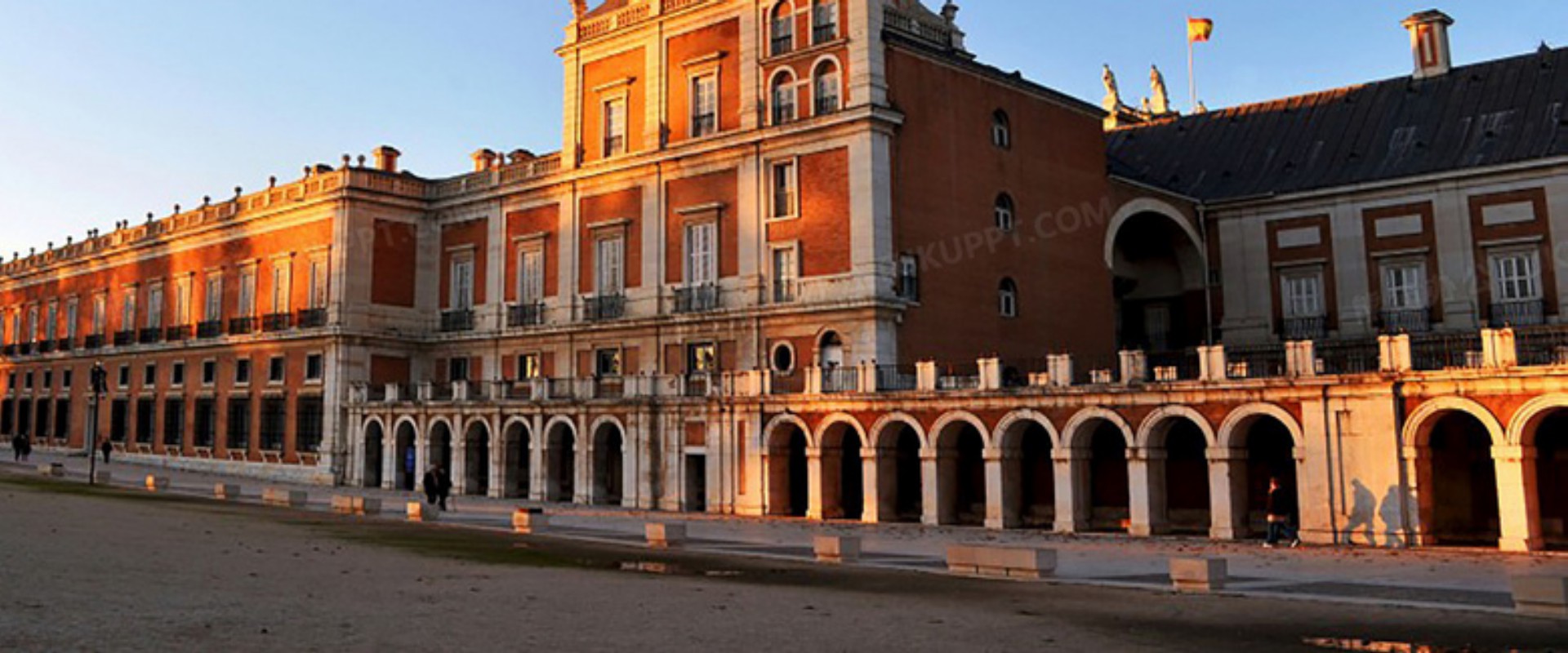
Arabic-style architecture emphasizes symmetry and geometric beauty, with common elements including horseshoe arches, intricate stucco carvings, colorful tiles, and the Spanish Arabic architecture of staggered water-filled courtyards. Building layouts often respond to the local climate, creating well-ventilated and cool spaces that convey comfort and tranquility.
| Architectural Element | Feature Description |
|---|
| Horseshoe arches | Iconic symbols of Islamic culture |
| Colorful tiles | Combines geometric and floral motifs |
| Courtyards and fountains | Regulate temperature while offering aesthetic pleasure |
Famous Cities and Landmarks
Granada’s Alhambra Palace is a masterpiece combining military, royal, and religious functions, celebrated as the pinnacle of Moorish art. Cordoba’s Great Mosque is famous for its expansive colonnades and alternating red-and-white arches. Equally impressive is Seville’s Royal Alcazar, where architectural details and garden landscapes are simply stunning.
Travel Tips
If you plan to visit these heritage sites, try to avoid peak tourist seasons for a more relaxed appreciation of intricate details. Also, book tickets online in advance to effectively reduce waiting time. While exploring, pay special attention to the interplay of shadow and light, which is the essence of the charm presented by Arabic architecture.
Conclusion
Arabic-style architecture in Spain is not only a historical heritage but also a crystallization of cross-cultural exchange. Whether you are an architecture enthusiast or a traveler, within these ancient walls, exquisite carvings, and flowing fountains, you can sense the millennial passage of time and its enduring allure.
