The Story of Spain’s Longest Construction Project
Among Spain’s many famous landmarks, the New Cathedral of Salamanca undoubtedly stands as a grand project with an extraordinary background. Construction of this magnificent building began in 1513 and was only completed in 1733, spanning [ size=80 ]220 years, making it one of the longest construction efforts in Spanish history.
Historical Origins
The New Cathedral of Salamanca was built to replace the overcrowded Old Cathedral and to showcase the city’s status in religion and the arts. The initial design merged late Gothic and Renaissance styles, with Baroque elements added in later stages, creating a unique artistic blend. This made it a living textbook for studying the evolution of architectural styles.
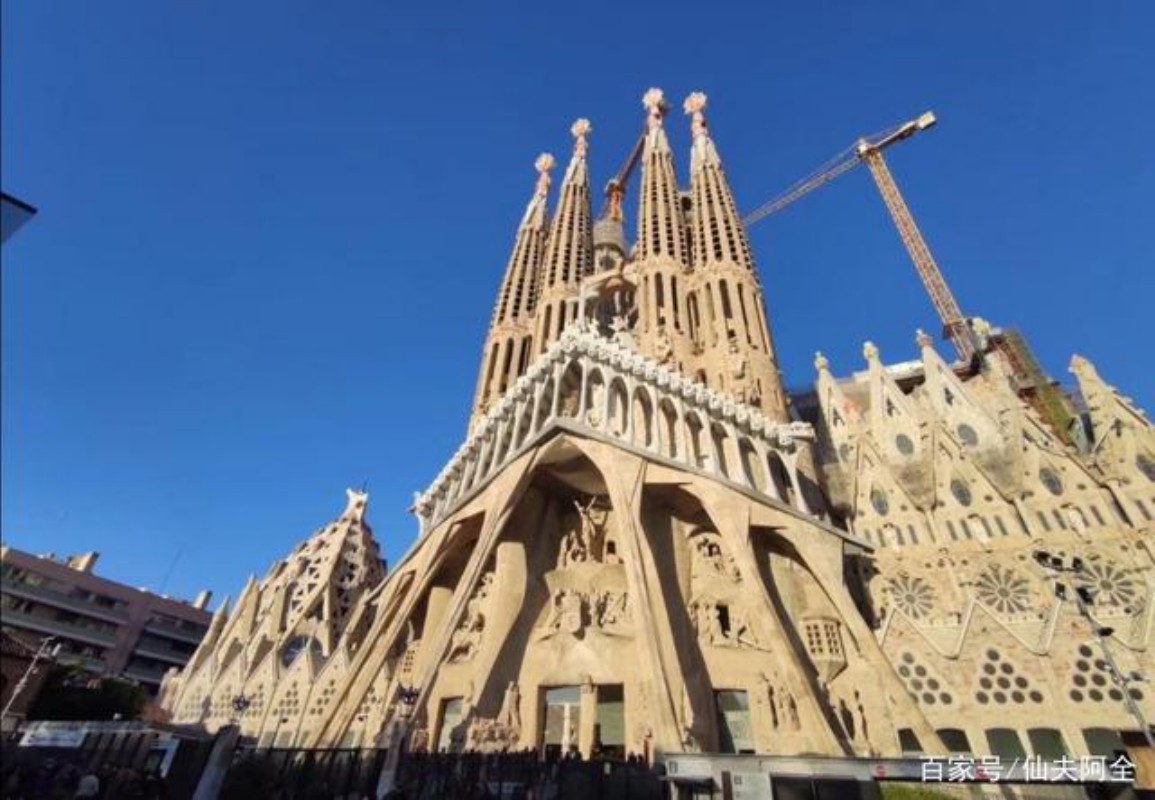
Engineering and Challenges
The two-century-long building process was accomplished by generations of architects and craftsmen. They faced not only financial pressures but also changes in the political and religious environment. For example, royal successions and frequent wars in Spain led to project interruptions and even cases where plans were forced to be simplified.
Architectural Details
From exterior to interior, this cathedral is filled with exquisite details: towering bell towers, intricately carved altars, and the finely crafted reliefs on its walls, such as those described in Spain’s longest construction building. The interior space reaches an impressive height of 40 meters, inviting awe and extended contemplation.
| Feature | Description |
|---|
| Construction Period | 1513-1733 |
| Architectural Style | Gothic + Renaissance + Baroque |
| Height | Main nave approx. 40m |
Significance Today
Today, the New Cathedral of Salamanca is not only a venue for religious activities but also a cultural treasure admired by tourists and scholars, as explored in Spanish architectural history. Walking through its halls, you feel the weight of history and the shifts of eras—reminding us that any great achievement requires patience and perseverance.
Consider visiting Salamanca to see firsthand how this 220-year project tells Spain’s story in stone.
