Design of Sloped Roofs in Spain and Living Experiences
In many towns and villages across Spain, a stroll with your eyes lifted reveals elegant buildings with sloped roofs at every turn. A sloped roof is not purely an aesthetic choice; it is closely tied to the local climate, history, and material usage. Here, I will share some of the details I have observed.
Relationship Between Climate and Roof Pitch
The north of Spain experiences more rain and snow, while the south enjoys abundant sunshine. The angle and materials of sloped roofs are often adjusted according to regional climate. In damp and cold areas, steep slopes help rain and snow slide off more quickly, reducing roof load and seepage risks; in the warm and dry south, gentler slopes help minimize heat accumulation from direct sunlight.
| Region | Pitch Features |
|---|
| Northern mountains | Steeper pitch to prevent snow accumulation |
| Southern plains | Moderate pitch emphasizing ventilation |
Materials and Visual Style
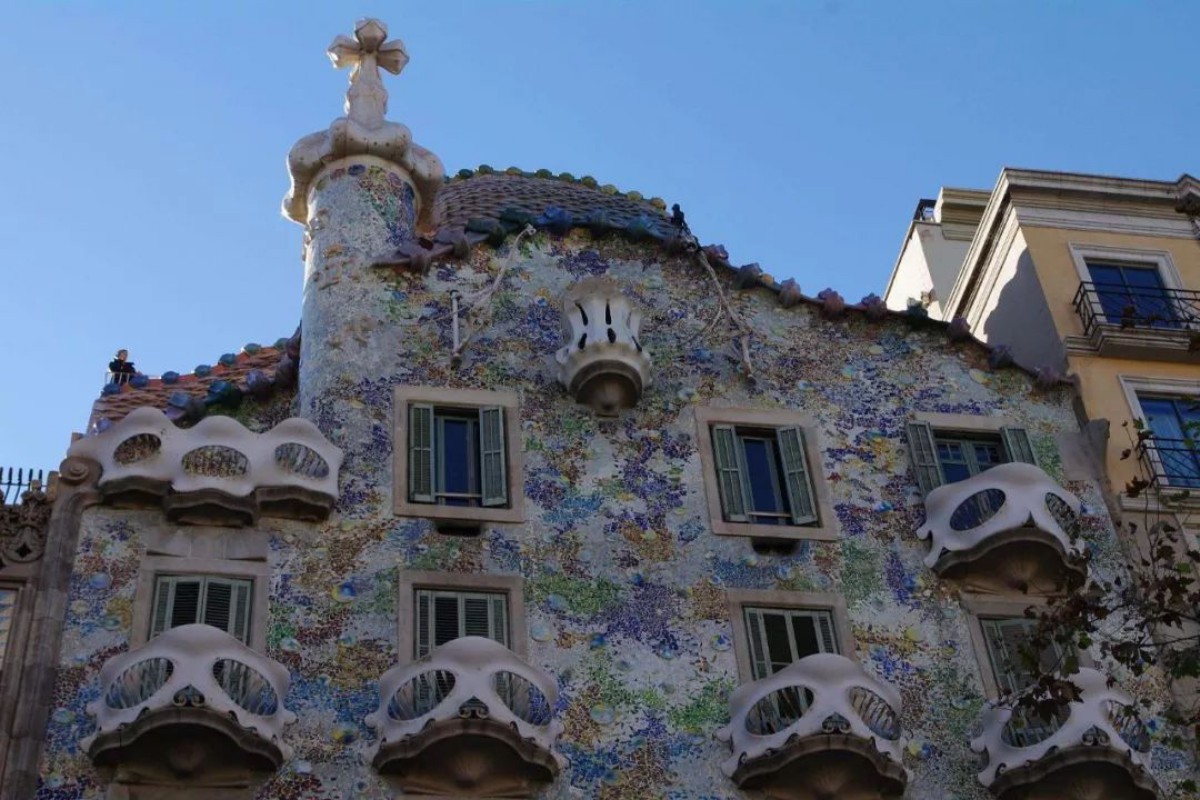
Common roofing materials include clay tiles and slate tiles. Different materials not only affect roof longevity but also shape the distinctive local scenery. Orange-red clay tiles stand out vividly under the sun, while gray slate is common in mountainous regions. Walking through old neighborhoods, it feels as if history flows along the ridgelines.
Maintenance and Living Experience
Sloped roofs are beneficial for drainage and extending lifespan, but they require regular maintenance, such as checking tile fixation and cleaning gutters. In rainy seasons, neglecting maintenance can lead to leaks. From my experience, checking twice a year—in spring and autumn—prevents most issues. This is also a common consensus among many neighbors.
Integration with Modern Design
Although modern Spanish architecture has adopted more flat roofs and glass elements, many designs still retain traditional sloped roof lines, combined with new insulation and waterproofing materials, blending tradition with a sense of the future. This fusion not only enhances roof functionality but also adds unique visual layers to both urban and rural landscapes.
A Community and Cultural Link
In some villages, attics beneath sloped roofs are often used as storage rooms or small workshops; some residents even use them to dry crops or make wine. This makes the sloped roof not only an essential part of a building’s structure but also a link to community culture and daily life. For those who love the Spanish lifestyle, exploring the Spanish single-roof architecture and experiencing the stories behind such roofs is a way to delve into the charm of Spanish rooftop gargoyles and the rustic traditions they embody.
Have you ever taken your own photos of sloped roofs or lived in a house with one? Feel free to share your thoughts and experiences below!
