Historical and Cultural Analysis of Rooftop Gargoyles in Spain
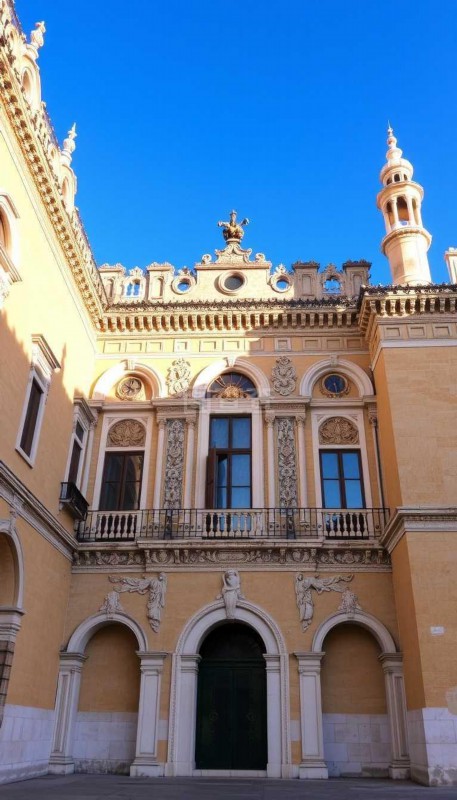
In many historic districts of Spain, when you look up at the rooftops of ancient churches or town halls, you will spot some unusually shaped stone carvings — these are rooftop gargoyles, known locally as gárgolas. These sculptures are not merely decorative; they carry a rich historical and cultural significance.
Origins and Function
Rooftop gargoyles first appeared in medieval Gothic architecture, serving primarily to channel rainwater through carved drainage spouts such as those in Spanish Single Roof Architecture that divert it away from the eaves, preventing erosion of the walls. This practical design was widely used in churches and monasteries throughout Spain. However, craftsmen often added abundant artistic expression beyond mere function, giving the gargoyle figures a strong narrative quality.
Shapes and Symbolism
The forms of Spanish gargoyles are highly diverse: some resemble monsters, others appear as human-faced beasts, and some incorporate mysterious creatures from local folklore. In the Middle Ages, people believed these strange forms could ward off evil. Distinct regional styles emerged, such as the more refined carving of Catalonia and the exaggerated proportions and ornamentation typical of Andalusia.
Representative Examples
| Location | Features |
|---|
| Sagrada Família, Barcelona | Combines modernist and Gothic styles, with intricate and complex gargoyle structures |
| Toledo Cathedral | Traditional Gothic carving infused with religious symbolism |
| Seville Cathedral | Lavish and bold carving lines, full of Andalusian flair |
Contemporary Perspective
Even in modern architecture, gargoyle elements are preserved or reinterpreted. Designers use these motifs to pay homage to history while giving them new meaning. Some contemporary gargoyles even incorporate abstract and science-fiction elements, becoming unique landmarks in their neighborhoods.
Travel Tips
If Spanish Sloped Roof you plan to travel in Spain, consider dedicating a day to photographing these rooftop details. It’s recommended to bring binoculars or a telephoto camera to capture the texture details. Remember to observe during the bright morning or evening, when shadows and carved details are most pronounced, making it easier to appreciate the skill and dedication of the craftsmen.
