Introduction to Spanish Renaissance Architecture
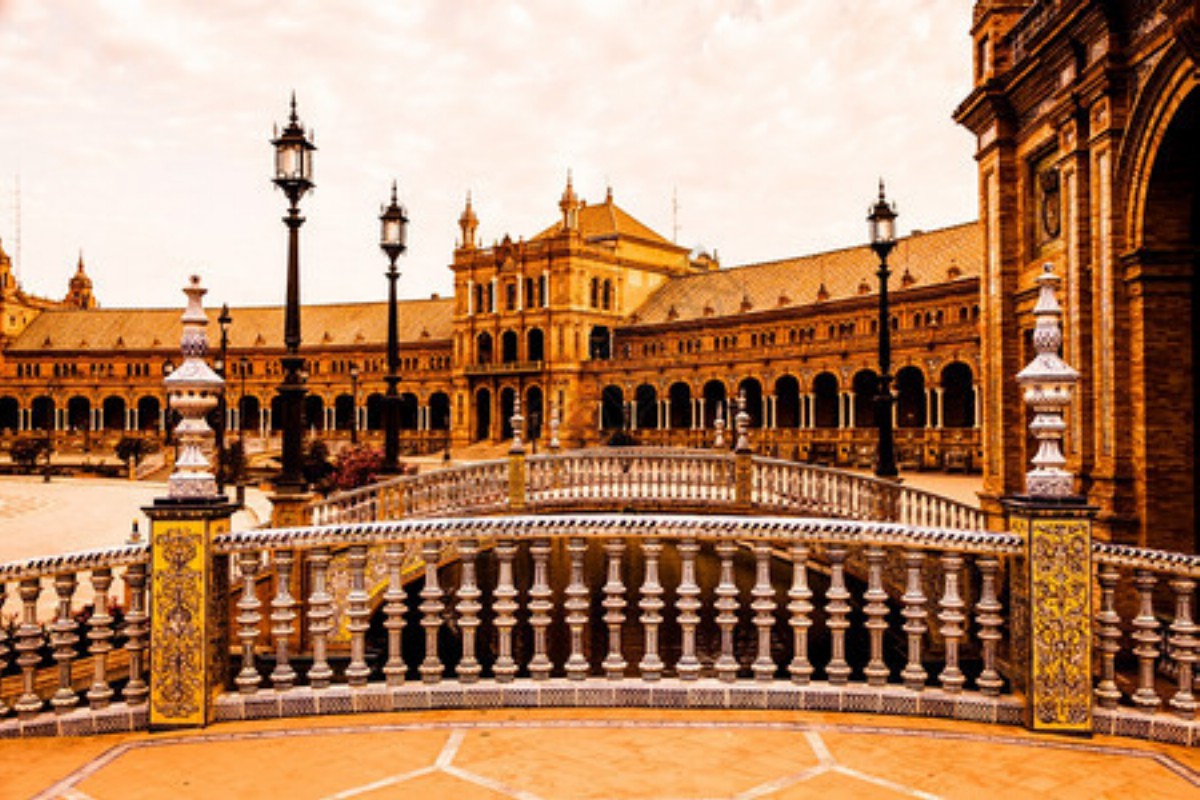
The influence of the Renaissance on Spain was a gradual process unfolding at the crossroads of religion, politics, and aesthetics. Compared to Italy’s intense revival of classical antiquity, Spain, while adopting this style, retained its own Gothic structures and Mudéjar elements, giving its overall appearance greater diversity and a distinct regional character.
Historical Background
From the late 15th century to the mid-16th century, Spain was at the height of its power. Architecture during this era not only served religious ceremonies but also became symbols of royal authority and civic pride. Many universities, palaces, and monasteries were rebuilt or expanded during this time; for example, the façade of the University of Salamanca combined exquisite carvings with strict geometric proportions.
Architectural Features
Common features of Spanish Renaissance architecture include symmetrical layouts, the precise application of columns, and Spanish Renaissance architecture incorporating Iberian traditional motifs into detailed elements. This blend imparts a sense of warmth amid grandeur.
| Feature | Description |
|---|
| Column structures | Frequent use of Doric, Ionic, and Corinthian orders |
| Decorative carvings | Integration of plant forms, religious symbols, and royal coats of arms |
| Domes and arches | Common semi-circular or oval designs |
Representative Works
From the Palace of Charles V in Granada to the Monastery of El Escorial, each building speaks of the values of its time. The former’s layout reflects royal order, while the latter unites religious, political, and academic functions, standing as the pinnacle of the Spanish Renaissance.
Travel and Viewing Tips
If you plan to visit these historic buildings, it is advisable to go in spring or autumn to avoid peak tourist seasons, while joining a local guide for deeper insights. Especially in the carved details, many symbols invisible to the naked eye carry rich historical meaning. You can even find finely crafted ancient coats of arms on arches—such delicate artistry prompts admiration for the craftsmanship of the era.
In summary, Spanish Renaissance architecture is not only a union of stone and art but also a testament to history and spirit.
