The Charm of Renaissance Architecture in Spain
In 16th-century Spain, architectural style entered an important period of transformation. Influenced by the Italian Renaissance, local architects combined classical elements with regional traditions, creating a distinctive aesthetic system. This fusion was reflected not only in stone carving and proportional design, but also permeated into urban planning, religious buildings, and palace constructions.
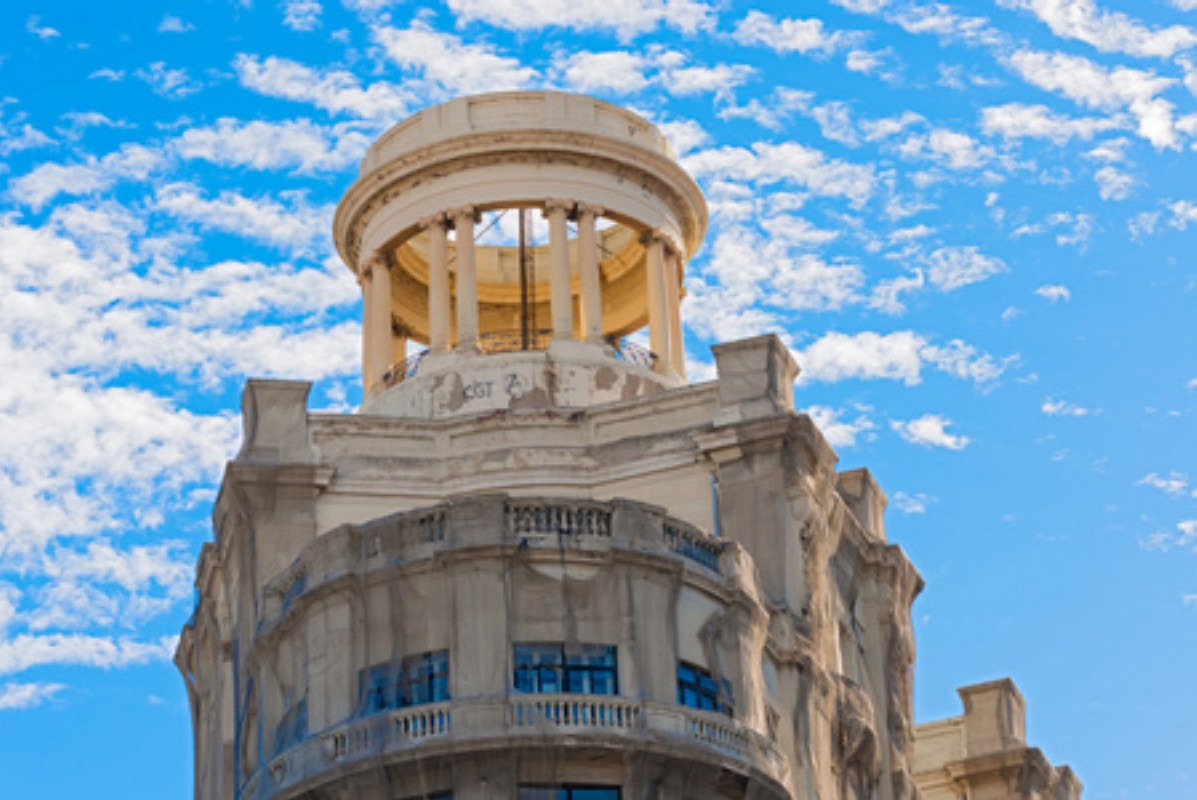
From Gothic to Plateresque
Before the arrival of the Renaissance, Gothic architecture had long dominated in Spain. The Plateresque style served as a transitional form, blending the vertical lines of Gothic design with the classical details characteristic of the Renaissance. Carvings as delicate as a silversmith’s craft offered a refined and intricate visual experience. Such architecture is prominently showcased in places like the University of Salamanca and the University of Alcalá.
Artistic Expression in Religious and Palatial Structures
Renaissance religious architecture in Spain often featured wide central naves and balanced proportions, exhibiting the beauty of order and rationality. Palaces pursued grandeur and solemnity in their floor plans and details. El Escorial Monastery stands as the pinnacle of this concept, not only featuring a rigorous architectural structure but also symbolizing the unity of royal power and religion.
Comparison of Architectural Elements
| Element | Description |
|---|
| Columns | Usually a combination of Doric, Ionic, and Renaissance Spanish architecture Corinthian styles |
| Carvings | Intricate, often accompanied by religious stories or decorative patterns |
| Layout | Symmetry and harmonious proportions |
Influence on Modern Times
Today, many cities’ historic centers still retain their Renaissance-era architectural structures. These heritages not only attract visitors but also inspire modern architectural design. Symmetrical layouts, classical columns, and delicate decorations continue to be applied in renovation projects, integrating into contemporary living environments.
If you plan to visit Spain, make sure to step into these stone worlds of the Renaissance and feel the historical warmth in every play of light and shadow
