Toledo and the First Encounter with the Renaissance
Toledo, known as the “museum of stone,” reveals traces of the Renaissance in every corner of the city. Walking along the cobblestone streets of the old town feels like stepping back several centuries. The lines of the Toledo City Hall are clear and strong, with humanistic details permeating throughout. Here, at Spanish Renaissance architecture, every wall tells the story of Spain’s journey from the Middle Ages to modern times.
Salamanca’s Plaza Mayor
The University of Salamanca is one of the oldest higher education institutions in Spain, with its main gate adorned with intricate Renaissance symbols. The Plaza Mayor is the heart of the city, with splendid arcades and façades reflecting the architects’ strict pursuit of proportion and symmetry. At night, under the illumination, the stone walls appear to wear a warm golden hue. 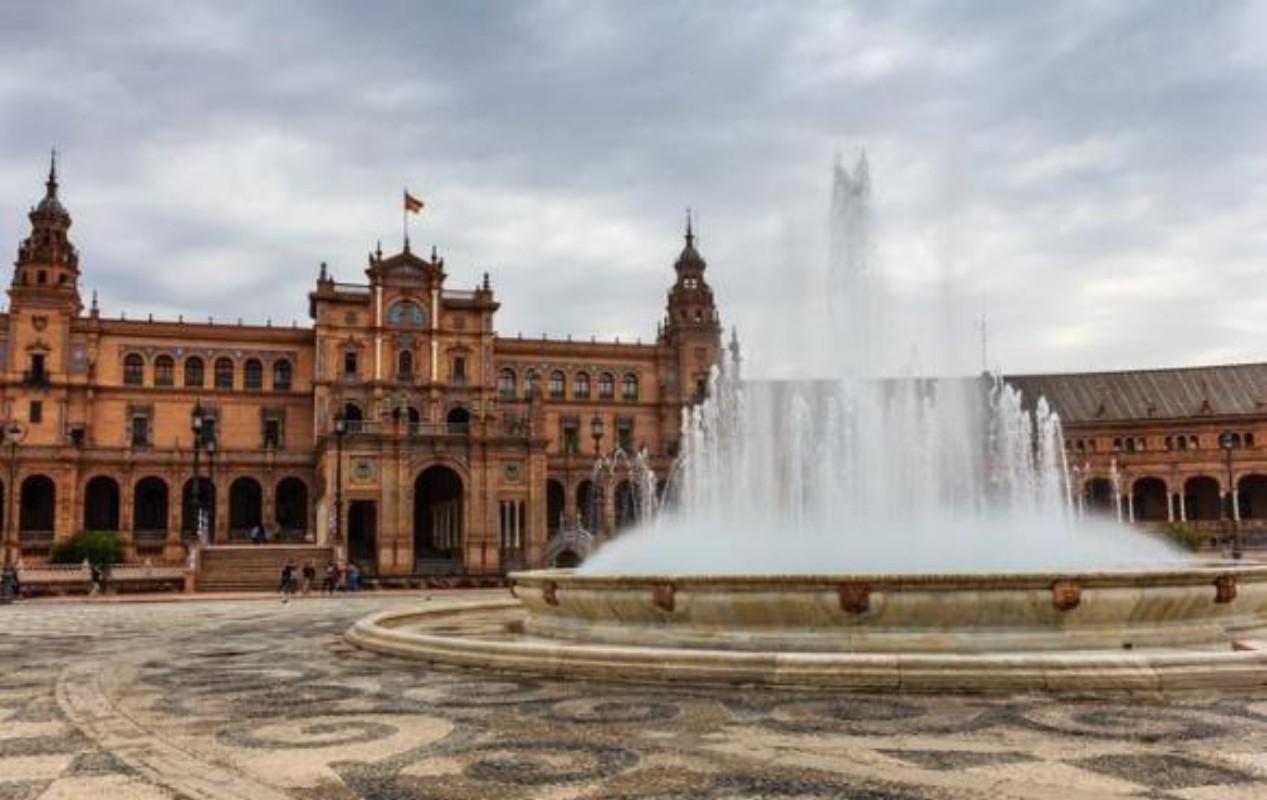
Overview of Architectural Features
Below are some common elements of Spanish Renaissance architecture:
| Feature | Description |
|---|
| Symmetry | Balanced structures emphasizing proportion |
| Arches | Semi-circular arches often used in entrance and window design |
| Stone carving details | Mythological or religious carvings on lintels and capitals |
| Light and shadow contrast | Using light to emphasize the depth of building façades |
Cordoba’s Fusion of Styles
Although the Córdoba Cathedral is famous for its Moorish style, Renaissance elements were incorporated during later reconstructions. This cultural fusion makes the building distinctive, combining the fluidity of Islamic arches with the dignity of Western European façades, offering much to appreciate.
Practical Travel Tips
If you plan to immerse yourself in the charm of these ancient buildings, it is advisable to spend at least three days in Toledo and Salamanca. Try to visit them in the early morning or late afternoon when the light and shadow effects are at their best and the number of tourists is lower. Book guided tours in advance to gain a more comprehensive understanding of the stories behind each carving.
Conclusion
Spanish Renaissance architecture is not only a treasure of architectural history but also a mirror reflecting cultural exchange. As you approach them, you may feel the breath of centuries in the texture of the stones — an experience that defies complete description and must be felt in person.
