Step into the World of Spanish Architecture
Spanish architecture often creates an immediate sense of astonishment at first sight, stretching from ancient Roman ruins to contemporary designs, with an impressive range. Walking through the streets, you will notice different regions presenting completely different colors and structures. For example, in Madrid, Baroque and Neoclassical meet; whereas in Barcelona, Modernism and Gaudi’s flowing curves move freely. This diversity is precisely what makes Spanish architecture so captivating.
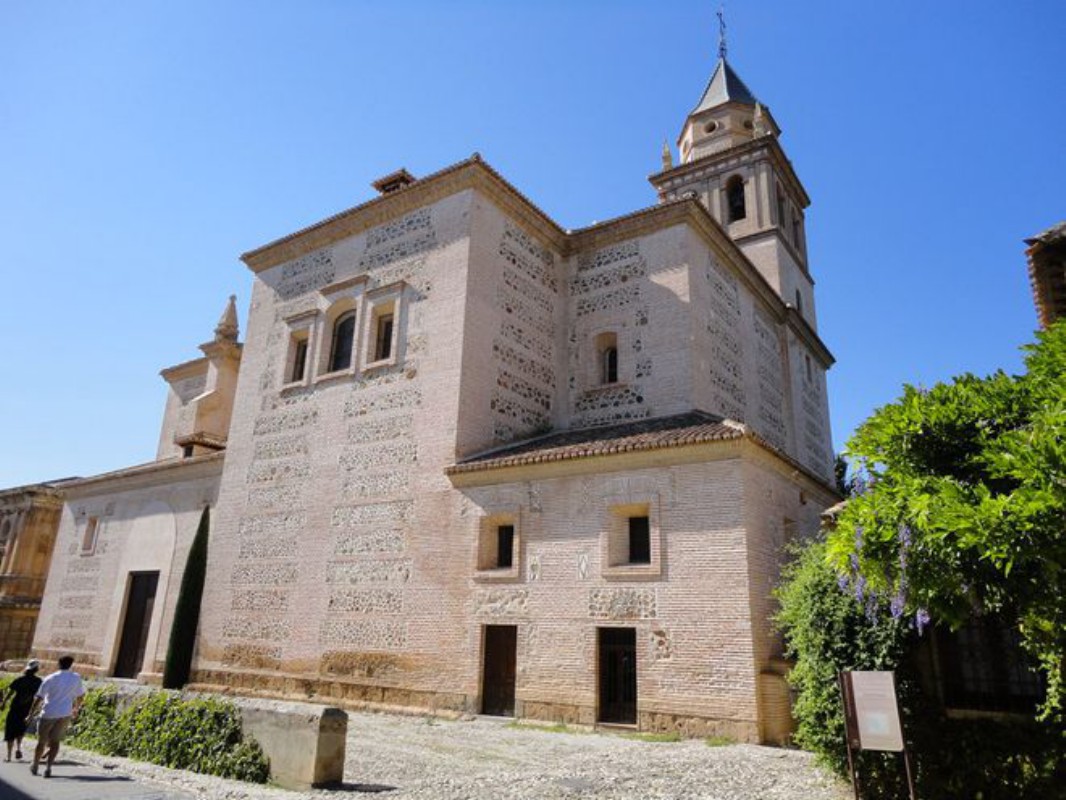
Fusion of Region and Style
Spanish architecture is a master of regional fusion. For instance, the Mudéjar style in Andalusia is the result of Islamic and Christian cultures intertwined, while the stone structures commonly seen in the north have a heavier, more rustic presence. You can quickly understand through the following table:
| Region | Common Styles |
|---|
| Andalusia | Mudéjar, white walls with archways |
| Barcelona | Modernism, Gaudi curves |
| Madrid | Baroque, Neoclassical |
Use of Color and Materials
The colors in Spanish architecture often respond to the local climate and culture. On the Mediterranean coast, buildings use warm tones such as ochre red and beige, which contrast vividly with blue skies. In the rainy north, grey stone better resists humidity, yet the designs still retain expressiveness.
The Beauty of Curves and Forms
Many people, upon first seeing the exterior of the Sagrada Família, are amazed by that sense of flow seemingly frozen in stone. These curves are not only a visual element but also serve a functional purpose, guiding light into the interior and creating a moving effect. Spanish architects excel at turning natural elements into a design language, then interpreting it through building materials.
How to Describe in Daily Life
When you want to describe a Spanish building on a forum or in casual conversation, try combining region, style, and color as dimensions. For example: “This house has the free curves of Barcelona’s Modernism, mixed with the white walls and archways of Andalusia.” This not only creates vivid imagery but also conveys rich information.
What distinctive Spanish buildings have you seen in your life? Feel free to share your photos and impressions in the comments, letting more people experience the charm of Spanish architecture with the help of Spanish architectural idioms.
