Exploring Spanish Idioms for Describing Architecture
In everyday Spanish conversations, idioms used to describe buildings can make the language more vivid while conveying the unique charm of regional culture. For those living in Spain or with a passion for Spanish culture, mastering these expressions will help you talk more fluently about cityscapes, architectural design, or historical monuments.
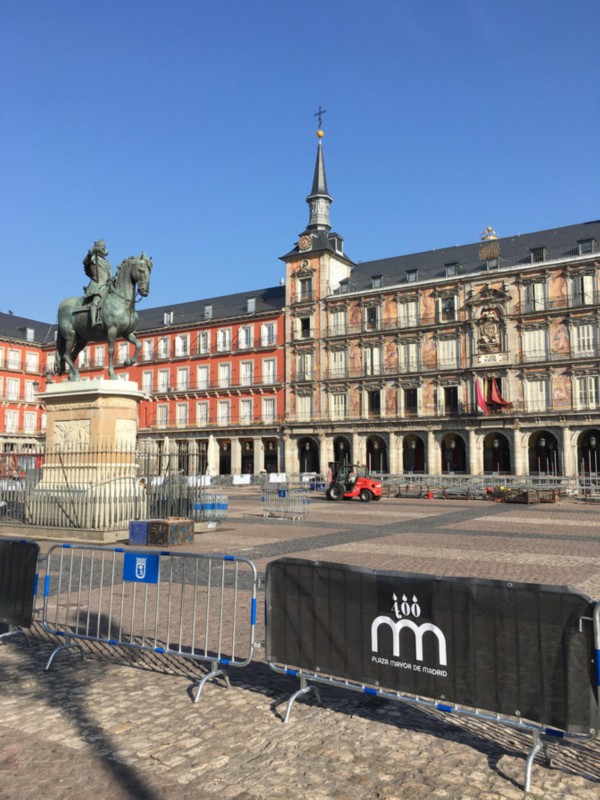
Idioms and Contexts
For example, “como un castillo” is commonly used to describe a building as luxurious and solid; while “piedra sobre piedra” emphasizes the careful and steady process of construction. These idioms not only depict appearances but also convey admiration for craftsmanship. When chatting with friends about a new building in the city center, using these phrases will surely resonate.
Common Expressions Related to Architectural Styles
In Spain, architectural styles vary noticeably by region, and idioms reflect this local character. For instance, in southern Andalusia, “blanco como la cal” is often used to depict the purity of white walls, an expression that instantly evokes images of lime-washed walls glowing under the midday sun. In Catalonia, when discussing Gothic architecture, people might say “alto como una catedral” to describe grandeur and height.
| Idiom | Meaning |
|---|
| como un castillo | Solid and luxurious building |
| piedra sobre piedra | Brick by brick / carefully built |
| blanco como la cal | White as lime |
| alto como una catedral | Tall and majestic |
| como un laberinto | Complex structure |
Applications in Daily Life
When buying a home or traveling, knowing these idioms can be very useful. If you describe an old house using “piedra sobre piedra,” it not only paints a vivid picture for your listeners but also shows your familiarity with local culture. While traveling, adding a phrase like “como un castillo” to a photo before posting it on social media instantly adds fun.
Cultural Insights
These idioms carry deep historical roots. Spain’s long architectural history, from Roman ruins to Moorish castles, has left spatial imprints on the language. Learning them is not just about improving language skills, but also about gaining a window into the Spanish way of thinking. Whether you’re an architect, a tour guide, or an ordinary resident, such metaphors are often used in conversations about buildings.
Conclusion
Spanish idioms describing architecture are like cultural stamps—a simple phrase can conjure bricks, walls, and towers in the listener’s mind. Sharing these expressions in forums not only helps everyone exchange insights, but might alsoSpain Architecture inspire you to explore true architectural masterpieces. Next time you encounter a magnificent building, try using these idioms to make your conversation richer.
