Characteristics and Formation Reasons of Spanish Architectural Settlements
After spending some time traveling or living in Spain, you will notice that whether in bustling city centers or quiet rural villages, the layout and form of buildings exhibit distinctive regional features. These are not accidental but the result of long-term historical, geographical, and social influences working together.
Influence of Climate and Geography
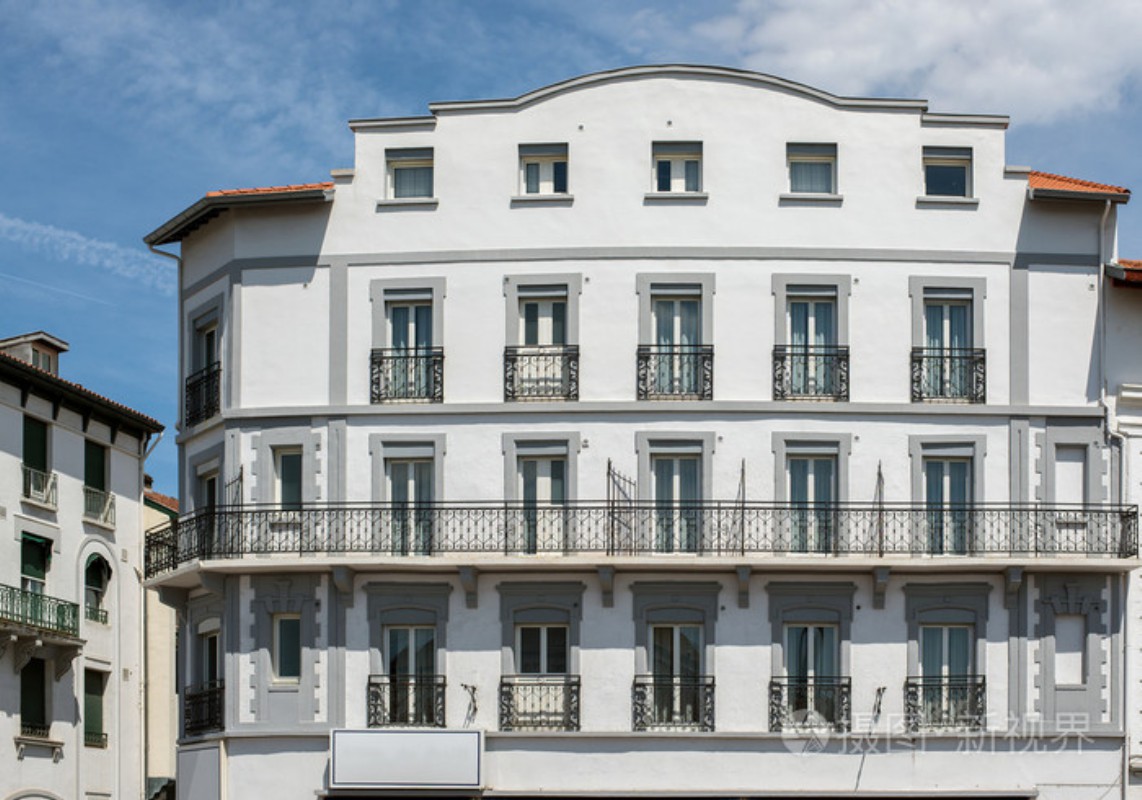
In the southern Andalusian region of Spain, settlements are often densely arranged, with whitewashed walls and narrow streets designed to reduce direct sunlight and keep interiors cool; in the northern Basque Country, due to abundant rainfall, houses are mostly built with stone and steeper roofs to facilitate drainage. This climate-adaptive design varies significantly across different latitudes.
The Profound Imprint of Historical Culture
From the Roman era’s road and town planning, to the courtyard-style houses introduced by the Moors, to the plazas and churches of the Christian kingdoms, Spain’s settlement forms have continuously evolved. Especially in the old towns, traces of multiple cultures intertwine. For example, Toledo’s layout blends the styles of its Jewish, Moorish, and Christian quarters.
Social and Economic Factors
In some traditional agricultural areas, villages are usually built along rivers to facilitate irrigation and transport; after industrialization, coastal cities like Barcelona expanded rapidly thanks to port trade, forming ring-shaped or grid-pattern road networks. Modern planning often introduces open communities, but old settlements still retain compactness and shared spaces.
| Region | Main Settlement Features |
|---|
| Andalusia | Dense whitewashed houses, narrow streets for cooling |
| Basque Country | Stone houses, steep roofs |
| Catalonia | Grid-pattern urban planning |
Contrast Between Urban and Rural
Urban settlements focus more on functional zoning and traffic flows, while rural settlements are often centered around essential natural resources. In the countryside, you can feel a public lifestyle with neighborly interaction, where many spaces are open and shared; in cities, the pace of life is faster, public spaces are abundant but their usage and atmosphere are very different.
Meaning for Modern Life
Understanding the causes of building damage and the processes that shaped these settlements can help us better grasp our living environment, and apply historical wisdom in urban renewal or rural development. While living in Spain, learning the reasons for building collapse in Spain and adapting to the spatial and social structure of whichever settlement form you choose will help you truly integrate into the local cultural fabric.
