Analysis of the Current State of Spanish Architecture
In recent years, Spain’s architectural industry has shifted from rapid growth to steady adjustment, with both urban landscapes and rural settings undergoing noticeable transformations. Over the past decade, influenced by global economic fluctuations and domestic market changes, construction companies have increasingly focused on environmentally friendly and functional projects, which has provided fertile ground for new design concepts. Sustainable architecture has been gaining a larger share in new developments, and residents’ demand for green living spaces in Spanish architecture continues to grow.
Differences Between Urban and Rural Architecture
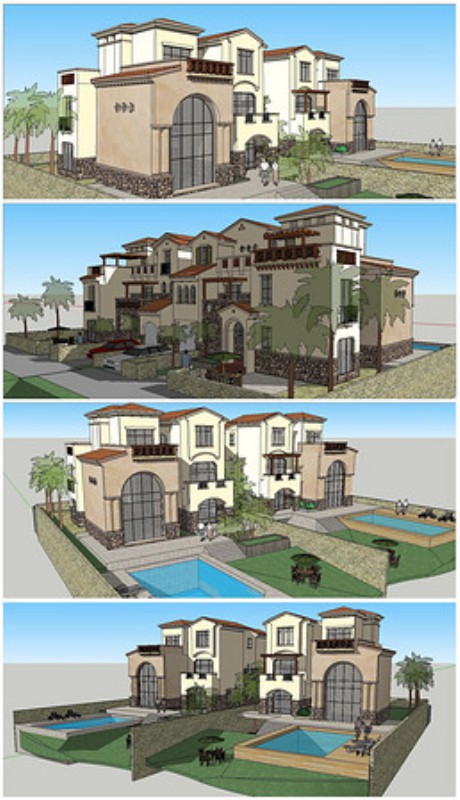
In large cities such as Madrid and Barcelona, high-density residential and mixed-use complexes dominate, while in regions like Andalusia and Castile, traditional stone and brick buildings retain their charm. Some historic districts, while preserving their heritage character, are also attempting to introduce modern facilities to enhance living comfort.
Construction Technology and Environmental Trends
Spain’s construction industry has made significant progress in technology applications in recent years, especially in energy efficiency and environmental protection. Solar panels, rainwater harvesting systems, and insulation materials have become increasingly common. The table below shows the adoption rates of major eco-technologies in housing over recent years:
| Technology Type | Adoption Rate |
|---|
| Solar power | 45% |
| Rainwater harvesting | 30% |
| High-efficiency insulation materials | 60% |
Investment and Market Dynamics
Real estate investment remains a focus for both local and international capital in the Spanish market. Coastal cities, driven by tourism and retirement needs, attract a large number of new builds and renovation projects. In contrast, inland cities require more investment in public infrastructure to stimulate vibrancy in the construction market.
Future Outlook and Discussion
It is foreseeable that the future of Spain’s architectural development will place greater emphasis on environmental impact and resident experience. Balancing heritage preservation with modernization will be a challenge shared by policymakers and architects. Perhaps in our forum, everyone might discuss the differences in adaptability between various cities, and whether these differences in Spanish construction companies could impact people’s quality of life.
