Current State and Development Trends of Spanish Architecture
Spain’s architectural styles are diverse, ranging from Gothic and Mudéjar to Modernism and contemporary minimalism, with distinct regional characteristics evident in different cities. Walking through the streets of Madrid and Barcelona, you can see ancient cathedrals alongside glass curtain-wall commercial buildings designed by cutting-edge architects. This combination lends an atmosphere that is both historical and full of vitality to the urban landscape.
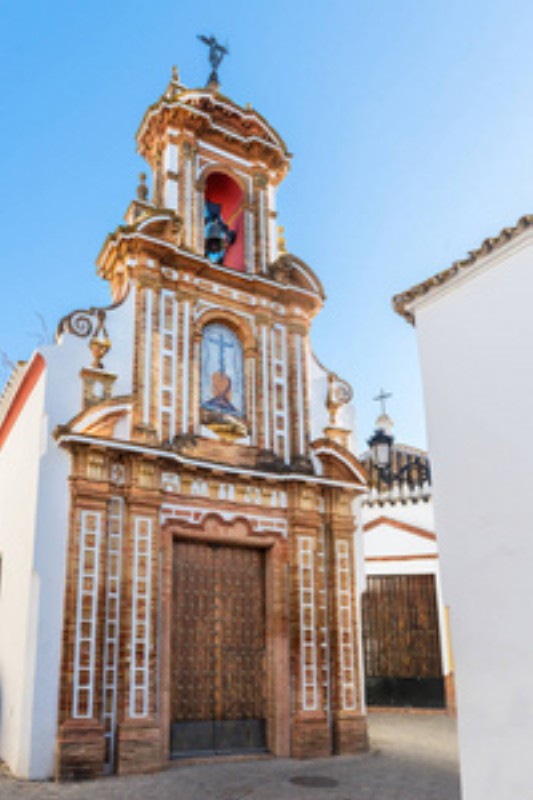
The Interweaving of Tradition and Modernity
In southern regions such as Andalusia, Moorish style architectural elements are still seen everywhere, especially in the meticulous design of doors, windows, and courtyards. Meanwhile, new coastal residential areas often adopt minimalist smart design concepts, emphasizing energy efficiency and spatial openness. The younger generation of architects is striving to merge traditional aesthetics with modern functionality, making buildings better suited to contemporary lifestyles.
Urban Planning and Sustainable Development
In urban planning, Spain is increasingly focusing on environmental sustainability. For example, Barcelona’s superblock project limits vehicle traffic to improve residents’ quality of life, as detailed in Spanish Architecture. Green roofs and solar panels are progressively being integrated into the design of common residential and commercial buildings, not only improving air quality but also reducing energy consumption.
| Region | Architectural Features |
|---|
| Madrid | Coexistence of neoclassical and modern high-rises |
| Barcelona | Combination of Gaudí style with contemporary art |
| Andalusia | Blend of Moorish and traditional Spanish styles |
Regional Differences and Cultural Influence
In Catalonia, architecture is more than physical construction—it is a reflection of identity and culture. Many architectural details show locals’ pride in their unique heritage. In the Basque Country, styles often carry industrial and maritime elements, reflecting the fusion of local economy and historical background.
Future Trends and Challenges
With changing demographics and economic developments, Spanish architecture faces new challenges: the high cost of restoring old towns and the need for new districts to preserve culture while meeting modern demands. The application of digital design and 3D-printed building materials offers architects more possibilities, as discussed by Spanish Architecture Companies, but balancing speed with quality remains a topic worth debating.
Overall, Spanish architecture is moving towards a more diverse and eco-friendly future while retaining the unique cultural marks of each region, which is why it holds a distinctive and captivating place in the global architectural landscape.
