The Unique Evolution of Gothic Architecture in Spain
In European architectural history, Gothic architecture is renowned for its soaring domes, pointed arches, and flying buttresses. In Spain, this style not only inherited the classic elements of French Gothic but also merged with the Mudéjar art of the Iberian Peninsula, creating a distinctive regional style. Especially in Catalonia and Castile, it is common to see brickwork coexisting with intricate stone carvings.
Main Features of Gothic Architecture
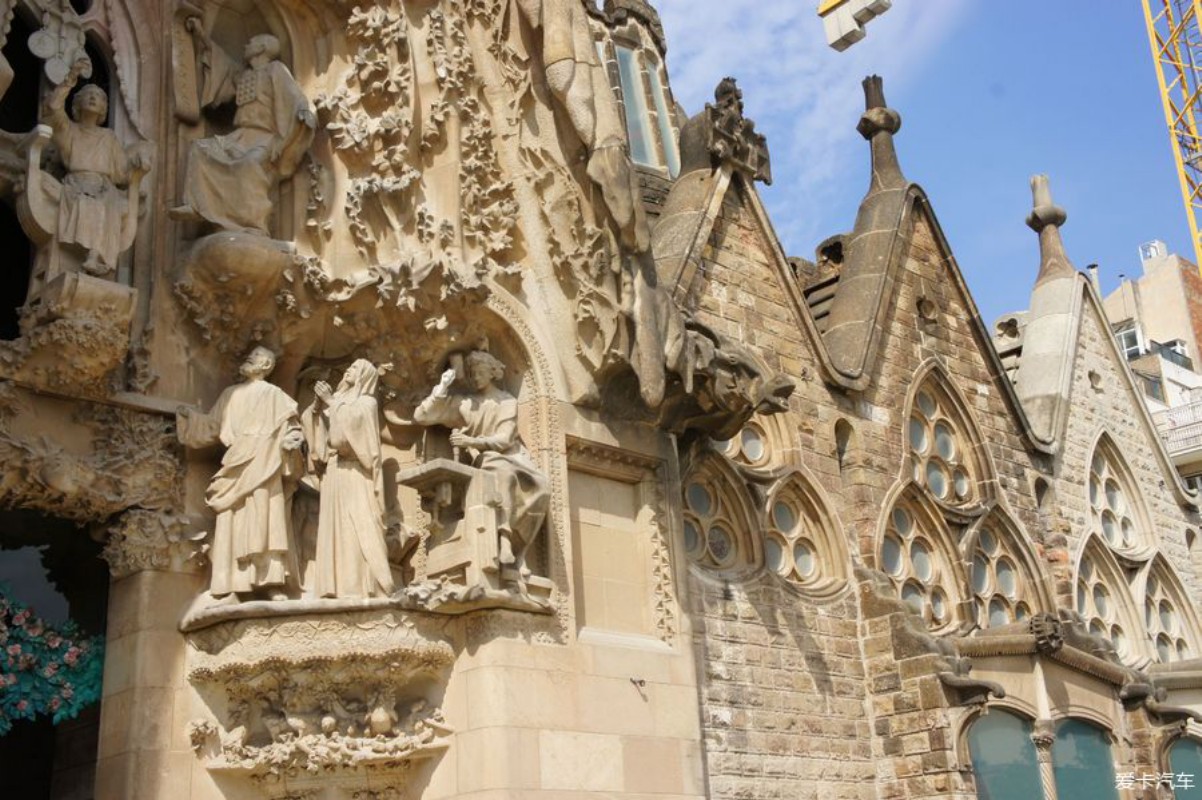
Gothic architecture generally emphasizes verticality, using large stained-glass windows to create a sacred atmosphere through light and shadow. In Spain, a frequent variation is the more elaborate interior decor, with facade carvings incorporating local flora and fauna designs, reflecting the diversity of regional culture. For example, the spire decorations of Burgos Cathedral are refined and richly layered.
Representative Gothic Buildings in Spain
The following table summarizes several representative Gothic buildings in Spain and their cities:
| Building Name | City |
|---|
| Burgos Cathedral | Burgos |
| Toledo Cathedral | Toledo |
| Barcelona Cathedral | Barcelona |
| León Cathedral | León |
These cathedrals are not only places of worship but also masterpieces of stone sculpture and structural engineering, with many details reflecting the social and aesthetic trends of their time.
Fusion of Gothic with Other Spanish Architectural Styles
Spain’s history has experienced various periods of cultural convergence; thus Gothic architecture often blends with Renaissance, Baroque, and even Islamic art elements. For instance, in Seville, some churches display Gothic structures overlaid with Mudéjar-style intricate ornamental work, and this mix perfectly embodies Spain’s inclusive aesthetic tradition.
Suggestions for On-Site Exploration
If you are interested in Spanish Gothic architecture and live in Spain or plan to visit, you might prioritize trips to these Gothic heritage sites. It is recommended to pair visits with local history museums to interpret the stories behind the buildings, enhancing your understanding of their cultural depth. In different seasons and lighting conditions, these structures reveal varying atmospheres, making them well worth revisiting.
