The Charm of Spanish Gothic Architecture
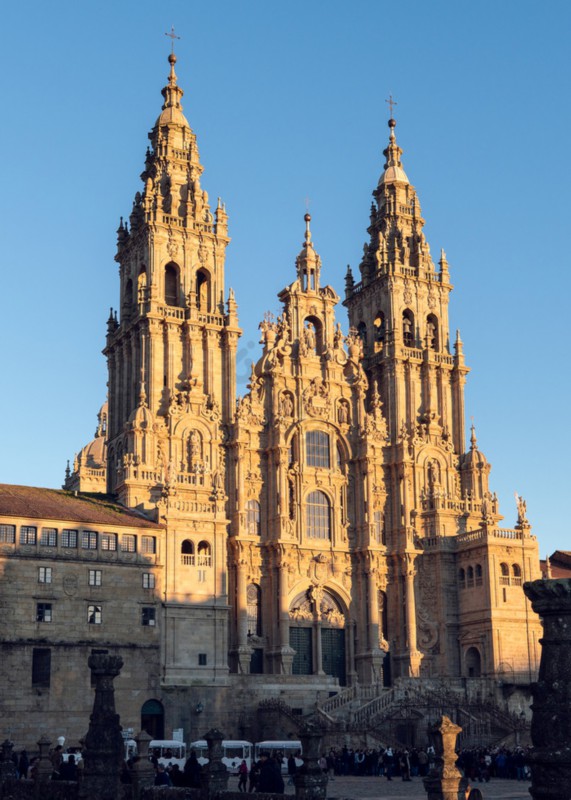
Gothic architecture in Spain developed with unique regional characteristics. While this style originated in France, its extension in Spain blended Mudéjar elements and local artistic touches, creating a more diverse overall atmosphere. Strolling through the streets of historic cities, you can see spires, arched windows, and exquisite stone carvings everywhere, all evoking a rich medieval ambience.
Historical Background and Cultural Fusion
Spanish Gothic architecture flourished mainly between the 13th and 15th centuries, an era when religious power and royal authority were closely intertwined. Many cathedrals and monasteries were built during this period, such as the Toledo Cathedral and Burgos Cathedral, which not only embodied faith but also showcased the pinnacle of craftsmanship at the time. On closer inspection, you can also find traces of Islamic artistry, making the Spanish version of Gothic architecture truly unique through this cross-cultural fusion.
Famous Cities and Iconic Buildings
| City | Iconic Building |
|---|
| Toledo | Toledo Cathedral |
| Burgos | Burgos Cathedral |
| León | León Cathedral |
In these cities, Gothic architecture is not only a landmark but also an integral part of residents’ daily lives. Locals often host celebrations or market fairs in cathedral squares, intertwining the buildings with everyday routines.
Architectural Features
The hallmarks of Gothic architecture include towering spires, flying buttresses, and large areas of stained-glass windows as in Gothic Architecture. These designs were not only aimed at achieving visual impact but also served practical purposes; for example, flying buttresses helped buildings support greater weight, allowing for more open interior spaces. The play of light and shadow through stained glass added a mysterious touch to ceremonial events.
Travel Tips
If you plan to explore Gothic architecture in Spain, it is recommended to avoid peak tourist seasons and choose spring or autumn. This way, you can enjoy the beauty of the buildings in soft light while immersing yourself in the local vibe at a leisurely pace. Walking tours are the best option, as many old town streets are narrow yet full of charm. Don’t forget to bring your camera to capture the beauty of the details.
Conclusion
Spanish Gothic architecture is a crystallization of history and art, reflecting the blend of religion, politics, and diverse cultures. Whether it is a grand cathedral or a finely carved stone within a small space, each is a cultural treasure worth savoring. Hopefully, more people will take the time to measure the beauty that spans centuries with their own steps.
