Curved Layouts in Spanish Architecture
In many Spanish cities, from historic quarters to modern buildings, one can discover an abundance of rhythmically flowing curved layouts. This design choice is not merely aesthetic; it is also a functional strategy to optimize space utilization, improve movement flow, and provide a unique visual experience. Curves allow architecture to blend more gently with its surroundings, delivering a warmer spatial atmosphere.
Historical Background and Styles
From Andalusia to Catalonia, curved layouts are vividly expressed in historic architecture. For example, in Gaudí’s Casa Milà, the curves of the roof and facade completely break free from the constraints of traditional straight lines. These curves often embody elements of religion, nature, or local folklore, adding deep cultural meaning to the buildings.
Applications in Urban Spaces
In the narrow streets of old town centers, curved layouts can guide pedestrian flow naturally, preventing congestion. Circular plazas, arched walkways, and the Barcelona architectural layout with wave-like facades are commonly seen in Barcelona, Málaga, and other locations, offering a balanced blend of visual appeal and functionality to the cityscape. 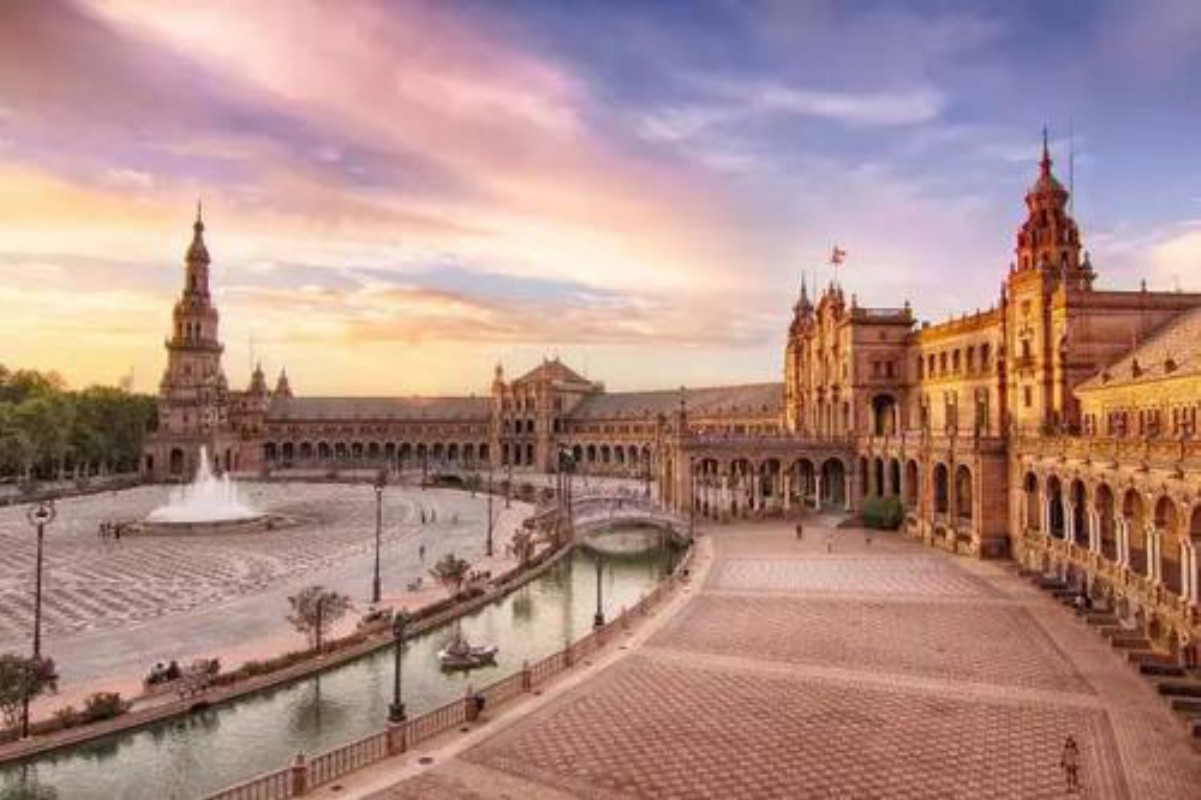
Modern Architecture and Curve Technology
With advances in materials and structural engineering, realizing curves has become easier and more precise. The combination of glass curtain walls, steel frameworks, and prestressed concrete allows designers to [ size=18 ]boldly break planar limits, crafting sculptural architectural shapes. This brings aesthetic innovation while also enhancing energy efficiency and indoor lighting.
| City | Representative Curved Architecture |
|---|
| Barcelona | Casa Milà |
| Valencia | City of Arts and Sciences |
| Seville | Metropol Parasol |
Residential Spaces and Living Experience
In residential design, curved layouts foster greater warmth and comfort. Arched balconies and rounded walls not only soften the visual impression but also enhance spatial safety, particularly suited for homes with children or elderly residents. Curves are also often used in interior design, such as streamlined corridors and open kitchens, infusing daily life with dynamism and beauty.
Conclusion and Engagement
Curved layouts in Spanish architecture serve both as extensions of tradition and highlights of modern design. They blend visual appeal, practicality, and cultural significance, making them worthy of ongoing exploration and discussion by residents and architects alike. If the Spanish architectural floor layout inspires you to spot new curved buildings in your city, consider sharing your photos and impressions on forums — you might spark a fresh dialogue about urban aesthetics.
